In industries such as industrial production, warehousing and logistics, chemical engineering, and food processing, drum handling and stacking operations have always been crucial links in ensuring the smooth flow of production processes. However, traditional manual handling or purely manual stacking equipment not only consumes significant labor costs but also suffers from low efficiency and prominent safety hazards, making handling work a "headache" for many enterprises. With the continuous penetration of automation technology in the field of logistics equipment, semi-electric drum stackers, relying on their unique innovative design and efficient "electric drive + manual assistance" mode, have completely transformed the traditional pattern of drum handling. They have truly freed handling processes from laboriousness and moved towards convenience and safety. This article will combine their core parameters—load capacity of 350kg, lifting height of 1600/2000mm, and applicable drum diameter of 580-620mm—and use practical application examples to analyze their innovative value and practical advantages.
Before the popularization of semi-electric drum stackers, enterprises often faced multiple challenges when dealing with drum handling operations. Take a medium-sized chemical enterprise as an example: the enterprise needed to handle 200L standard drums daily (each full drum weighs approximately 280kg with a diameter of 600mm). Previously, it adopted the "manual hydraulic stacker + 2-person collaboration" mode: one person operated the stacker to lift and lower, while the other had to assist in stabilizing the drum nearby to prevent it from tilting. If the drum needed to be stacked on a shelf 1.5 meters high, the operation was not only time-consuming (each stacking process took 3-5 minutes) but also, during the manual lifting process, if the operator was exhausted, safety accidents such as drum slipping and toppling were likely to occur.
In addition, for some enterprises with limited warehouse space, the insufficient lifting height of traditional stacking equipment (most manual equipment has a maximum lifting height of only 1200mm) makes it impossible to fully utilize vertical storage space, resulting in low warehouse utilization. Moreover, equipment with a narrow range of applicable drum diameters, when faced with drums of different specifications (such as 580mm-diameter food-grade drums and 620mm-diameter chemical raw material drums), requires frequent fixture replacements, which further reduces work efficiency. These pain points have made drum handling a "bottleneck" restricting the production flow of enterprises.
Addressing the pain points of traditional handling, semi-electric drum stackers adopt the design concept of "electric drive for core actions + manual assistance for flexible adjustments". Combined with parameter configurations that accurately match industry needs, they have achieved innovative applications in multiple scenarios. Below are two typical examples.
The raw material warehouse of a large chemical enterprise stores a large number of 200L chemical raw material drums (each drum weighs 320kg with a diameter of 600mm). Previously, due to the insufficient load capacity of
manual stackers (maximum load capacity of 300kg), it was impossible to handle full drums independently, and forklifts had to be used for assistance. However, forklifts are large in size, lack flexibility in narrow warehouse passages, and their stacking operations require professional drivers, leading to high labor costs.
After introducing semi-electric drum stackers, their rated load capacity of 350kg easily covers the weight requirement of 320kg per drum. No additional manual assistance is needed, and a single person can complete the grabbing and handling of drums. The maximum lifting height of 2000mm is a 67% increase compared to traditional manual equipment, allowing drums to be stacked on 2-layer shelves (shelf height of 1.8 meters), which directly doubles the utilization rate of vertical storage space. At the same time, the electric lifting system equipped with the equipment allows control of the lifting speed simply by pressing buttons on the handle. The time for a single stacking process is reduced from the traditional 3-5 minutes to 1-2 minutes, and the daily handling efficiency is increased by approximately 150%.
More importantly, in response to the safety needs of the chemical industry, the equipment is equipped with anti-slip rubber pads and automatic locking devices at the drum grabbing mechanism. Even if slight vibrations occur during the lifting process, the drums can be firmly fixed, completely eliminating the safety hazard of "drum slipping". The warehouse supervisor of the enterprise stated: "Since we started using semi-electric stackers, not only do handlers no longer have to 'struggle to carry drums', but the safety accident rate in the warehouse has also dropped to zero. Both efficiency and safety are guaranteed."
In the food processing field, enterprises often need to handle edible oil drums and sauce drums of different specifications, such as 180L edible oil drums with a diameter of 580mm and 220L sauce drums with a diameter of 620mm. The traditional stacker previously used by a food processing plant could only adapt to drums with a diameter of 590-600mm. When faced with drums with smaller or larger diameters, dedicated fixtures had to be replaced, which took about 20 minutes each time. Frequent replacements also easily caused fixture wear and increased equipment maintenance costs.
The applicable drum diameter range of 580-620mm for semi-electric drum stackers exactly covers the drum specifications commonly used in the factory. No fixture replacement is required; the width of the grabbing mechanism can be quickly adjusted to adapt to drums of different diameters just by manual fine-tuning, reducing the adjustment time to less than 1 minute. In addition, the equipment's electric walking function (which allows uniform movement simply by pushing the handle) is more flexible than forklifts in narrow passages (1.2 meters wide) of the auxiliary material workshop. A single person can complete the entire handling process from the raw material area to the production line, avoiding the awkward situation of traditional manual equipment being "hard to push and move".
The production manager of the factory reported: "Previously, when changing drums of different specifications, workers had to stop to disassemble and install fixtures, and the production line often waited for materials. Now, with semi-electric stackers, there is no need to stop when changing drums, the production line flows more smoothly, and the monthly output can be increased by approximately 5%."
The innovative applications of semi-electric drum stackers are inseparable from the "precision design" of their core parameters. Each parameter provides a targeted solution to industry pain points:
350kg load capacity: Covers the handling needs of 200L standard drums (weighing 250-320kg when full) in most industries. Compared with traditional manual stackers (generally with a load capacity of 250-300kg), it has stronger load-bearing capacity, eliminating the need for additional auxiliary equipment and reducing labor and equipment costs.
1600/2000mm lifting height: Two lifting specifications are available. The 1600mm height is suitable for small and medium-sized warehouses (with a floor height of less than 1.5 meters), while the 2000mm height is suitable for large warehouses that require high stacking. This meets the needs of utilizing different storage spaces and improves warehouse capacity utilization.
Applicable drum diameter of 580-620mm: Covers the diameter range of mainstream standard drums (580mm is the lower limit for small drums, and 620mm is the upper limit for large drums), enabling "one machine for multiple uses", avoiding frequent fixture replacements, and improving work continuity.
In addition, the equipment also integrates a number of user-friendly designs, such as an adjustable operating handle (suitable for operators of different heights), a large-capacity battery (capable of continuous operation for 8 hours on a single charge), and a low-noise electric motor (operating noise ≤ 65 decibels). While improving efficiency, it also enhances the working experience of operators, truly realizing "making handling less laborious".
With the development of industrial automation and smart logistics, the application scenarios of semi-electric drum stackers will be further expanded. In the future, the equipment is expected to achieve upgrades in the following aspects: first, integrating intelligent sensing technology to automatically identify drum weight through weight sensors, avoiding overloading operations; second, adding a wireless remote control function, allowing operators to complete remote handling at a safe distance, which is suitable for high-risk environments such as flammable and explosive areas; third, optimizing battery technology by adopting fast-charging lithium batteries to shorten charging time and improve the continuous operation capability of the equipment.
Regardless of how technology upgrades, the essence of semi-electric drum stackers—"focusing on user needs and solving handling pain points"—will remain unchanged. From chemical engineering and food processing to warehousing and logistics, they are becoming "reliable handling assistants" for more and more enterprises, driving the industry's transformation from "laborious handling" to "smart operation".


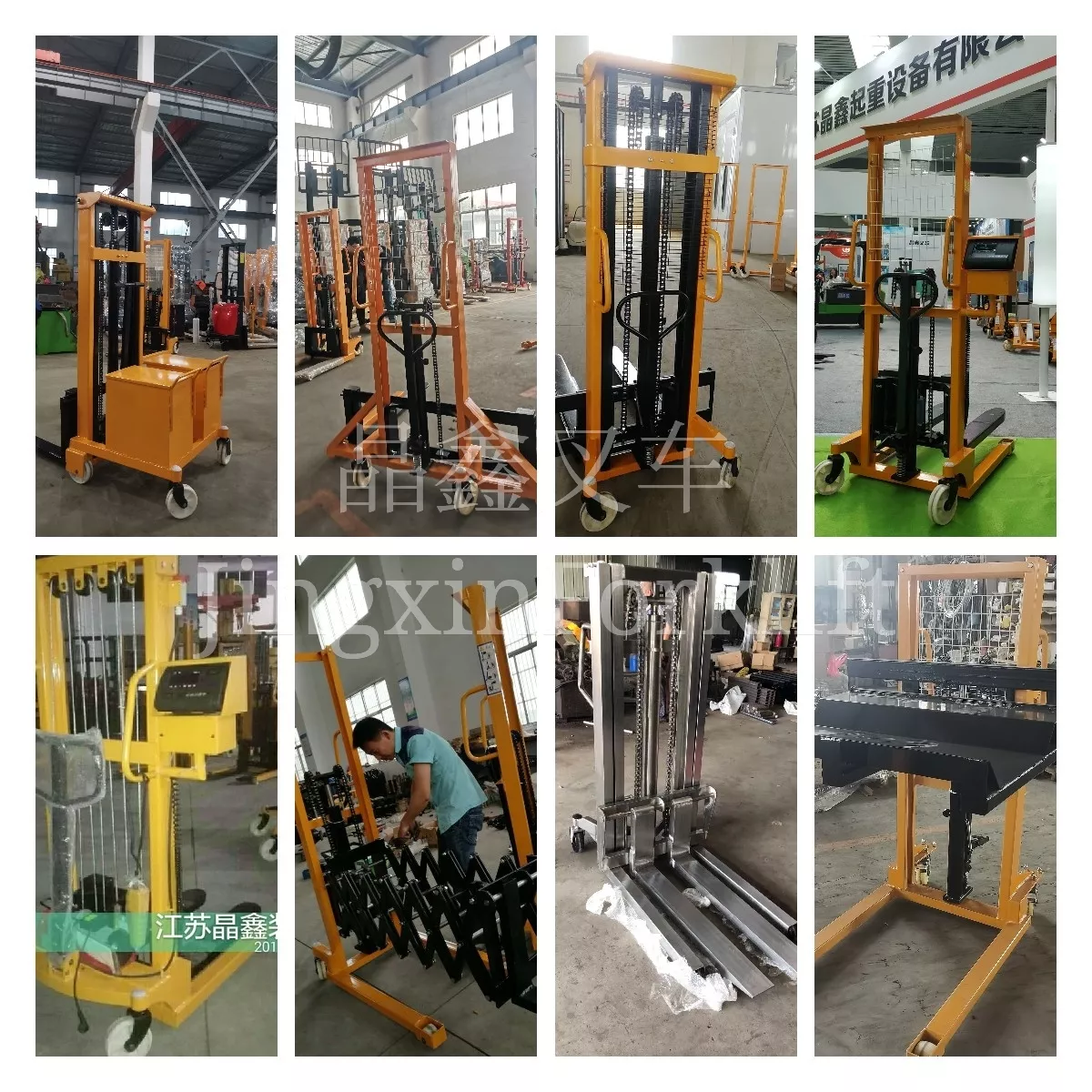 10Custom case
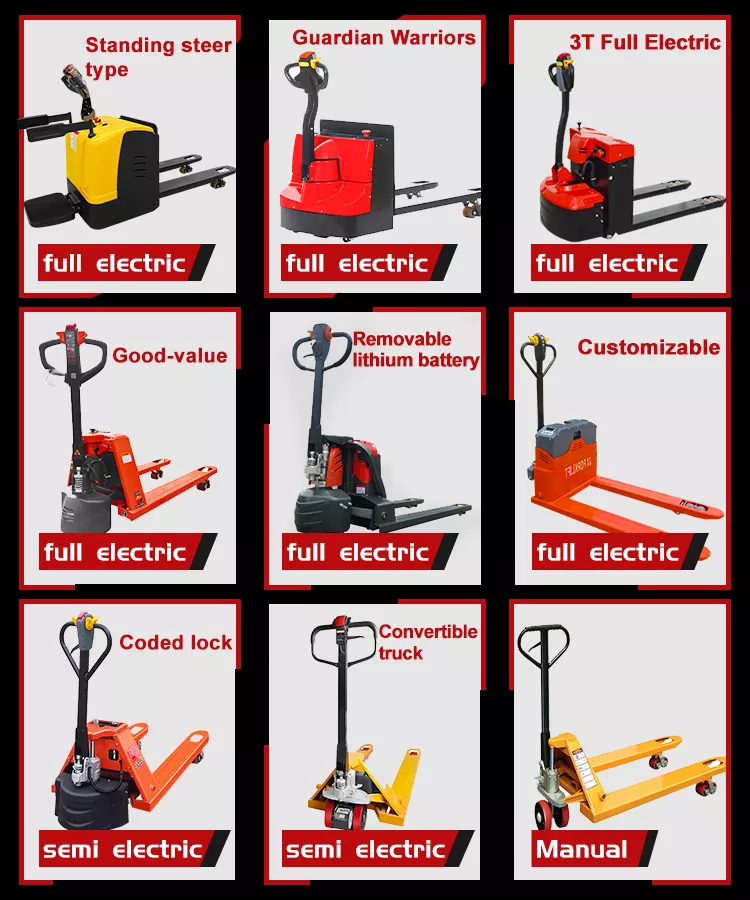 21Company's View
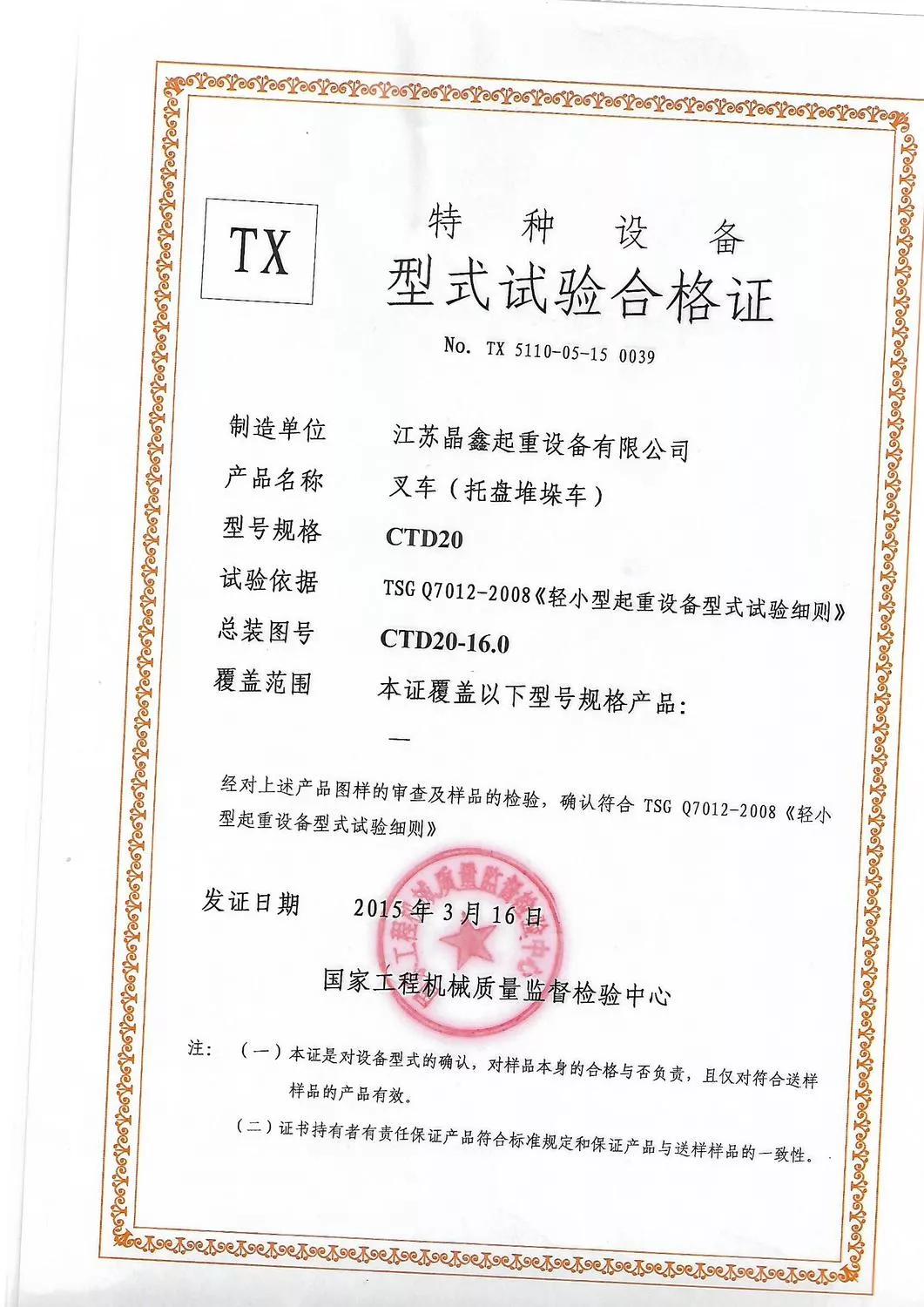 10Certificate
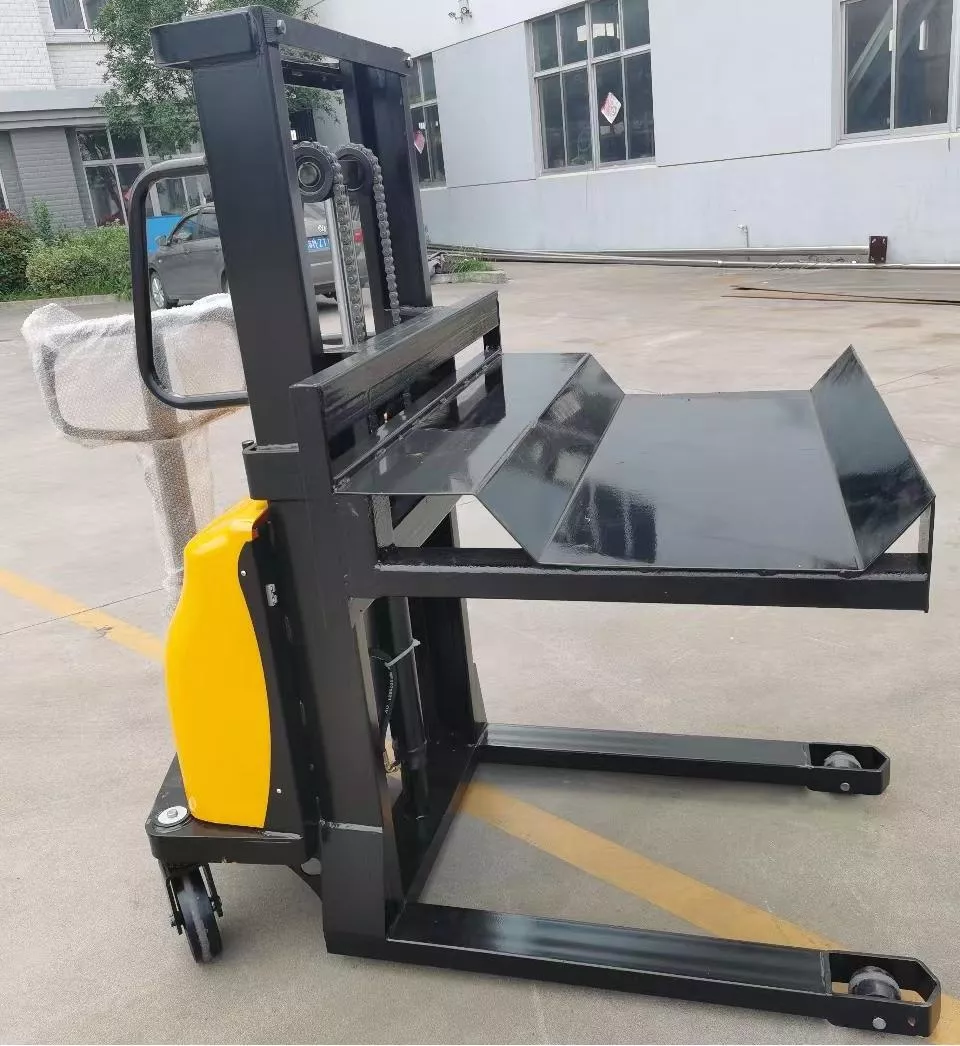 14Paper/Printing Factories
 5Stainless steel material handling equipment



