How to Improve the Efficiency of Medium-Sized Warehouses? —— Application Practice of 1.5-Ton Walk-Behind Stackers
 |  |
In the modern logistics system, medium-sized warehouses (with a storage capacity of 5,000-20,000 pallets and an operation area of 1,000-5,000 square meters) serve as key nodes connecting production and end-consumer markets. Their operational efficiency directly impacts the turnover speed and cost control of an enterprise's supply chain. However, many medium-sized warehouses currently face three core pain points: limited operational space, rising labor costs, and low cargo turnover efficiency. This article will take the 1.5-ton walk-behind stacker as the core tool, and through practical application cases, analyze its efficiency improvement path in medium-sized warehouse scenarios, providing actionable optimization solutions for warehouse managers.### Efficiency Bottlenecks of Medium-Sized Warehouses: Why Traditional Equipment Fails to Meet Demands?Before discussing solutions, we first need to clarify the unique operational scenarios and efficiency pain points of medium-sized warehouses:- **Conflict in space utilization**: Medium-sized warehouses often need to store multi-category goods within a limited area. Traditional counterbalanced forklifts have a large turning radius (usually 3-4 meters) and cannot operate in narrow aisles (less than 2.5 meters). This forces excessive spacing between shelves, resulting in a space waste rate of 20%-30%.- **Pressure from labor costs**: As labor costs rise year by year, if medium-sized warehouses rely on manual pallet jacks ("ground bulls"), more handling personnel must be deployed. Additionally, the single-load capacity of manual jacks is limited (usually ≤1 ton), leading to low operational efficiency.- **Insufficient operational flexibility**: Some medium-sized warehouses involve multi-batch, small-lot cargo turnover (e.g., e-commerce warehouses, regional distribution warehouses). Traditional sit-down stackers take a long time to start and stop, making them unable to adapt to high-frequency, short-distance handling needs.- **Potential safety risks**: In warehouse aisles, personnel and equipment frequently operate in overlapping areas. Traditional equipment is large in size and has significant blind spots, increasing the risk of collision accidents. This risk rises markedly when the stacking height of goods exceeds 2 meters.The core cause of these pain points lies in the **"mismatch" between equipment and warehouse scenarios**—either the equipment is too large (wasting space) or too small (causing inefficiency). The emergence of 1.5-ton walk-behind stackers precisely fills this adaptation gap.### Selection and Usage Recommendations: Maximizing the Value of Walk-Behind StackersIf your medium-sized warehouse also faces efficiency bottlenecks and plans to introduce 1.5-ton walk-behind stackers, you can refer to the following selection and usage recommendations:#### Core Indicators for Selection:- **Lifting height**: Choose based on the shelf height. The typical shelf height of medium-sized warehouses ranges from 2.5 to 4.5 meters; it is recommended to select models with a lifting height of 4.5 meters to reserve space for future expansion.- **Driving method**: For indoor dry environments, electric drive is preferred (low noise, no pollution); for humid environments or short-distance outdoor operations, manual hydraulic drive can be chosen (lower cost).Through the practical application of 1.5-ton walk-behind stackers, we can summarize the core logic for efficiency improvement in medium-sized warehouses: it is not about blindly introducing high-end equipment, but about finding the **"optimal adaptation point between equipment and scenarios"**. For medium-sized warehouses, walk-behind stackers—characterized by "small size, large load capacity, and high flexibility"—are the best embodiment of this adaptation point. They not only solve the problems of "space waste and low efficiency" associated with traditional equipment but also avoid cost pressures caused by over-investment, truly achieving the triple goals of "cost reduction, efficiency improvement, and safety enhancement".If your warehouse is facing issues such as insufficient space, high labor costs, or low turnover efficiency, consider introducing 1.5-ton walk-behind stackers. Let equipment become a "booster" for efficiency improvement rather than a cost burden.


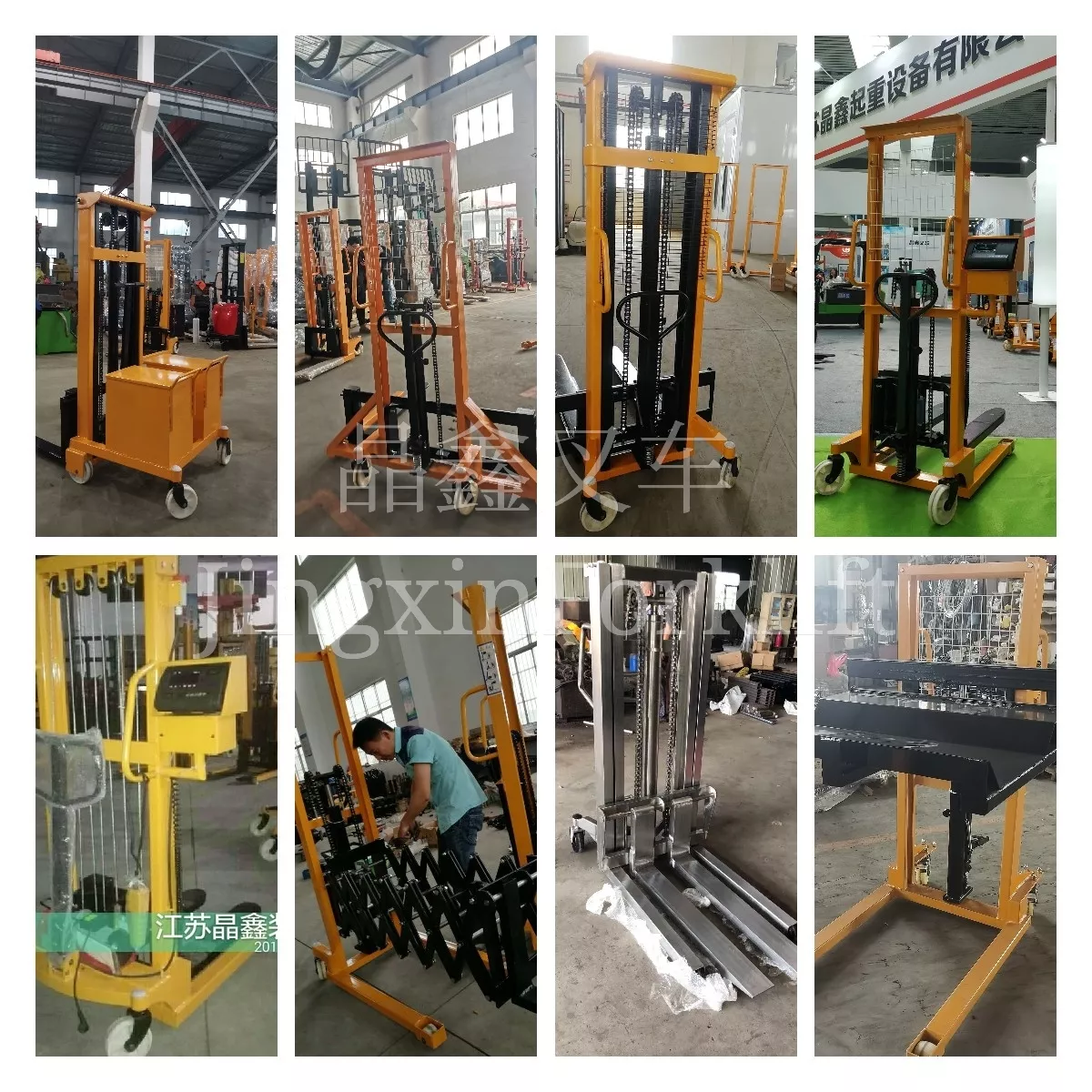 10Custom case
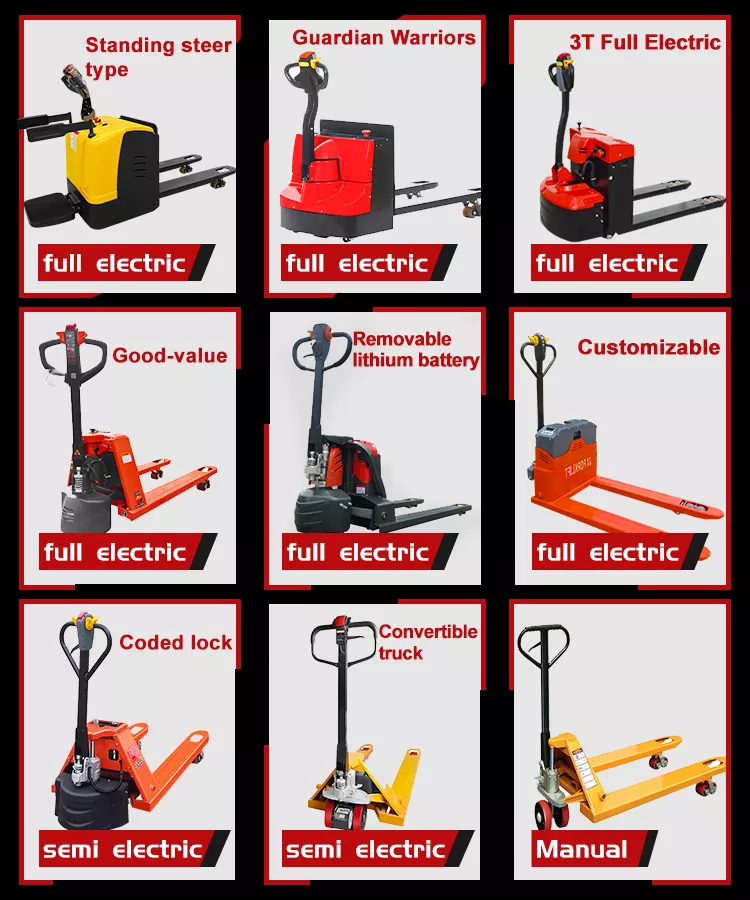 21Company's View
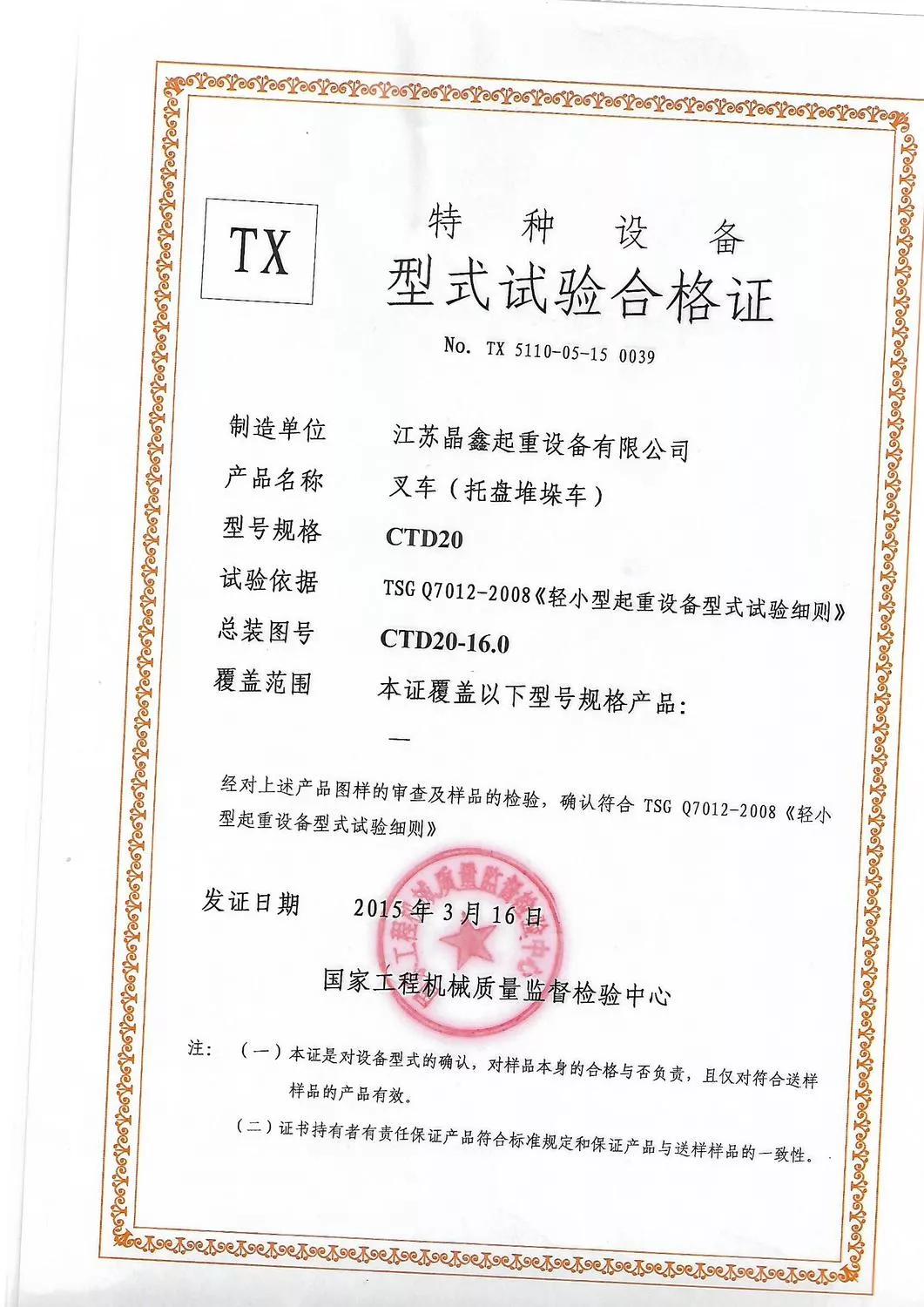 10Certificate
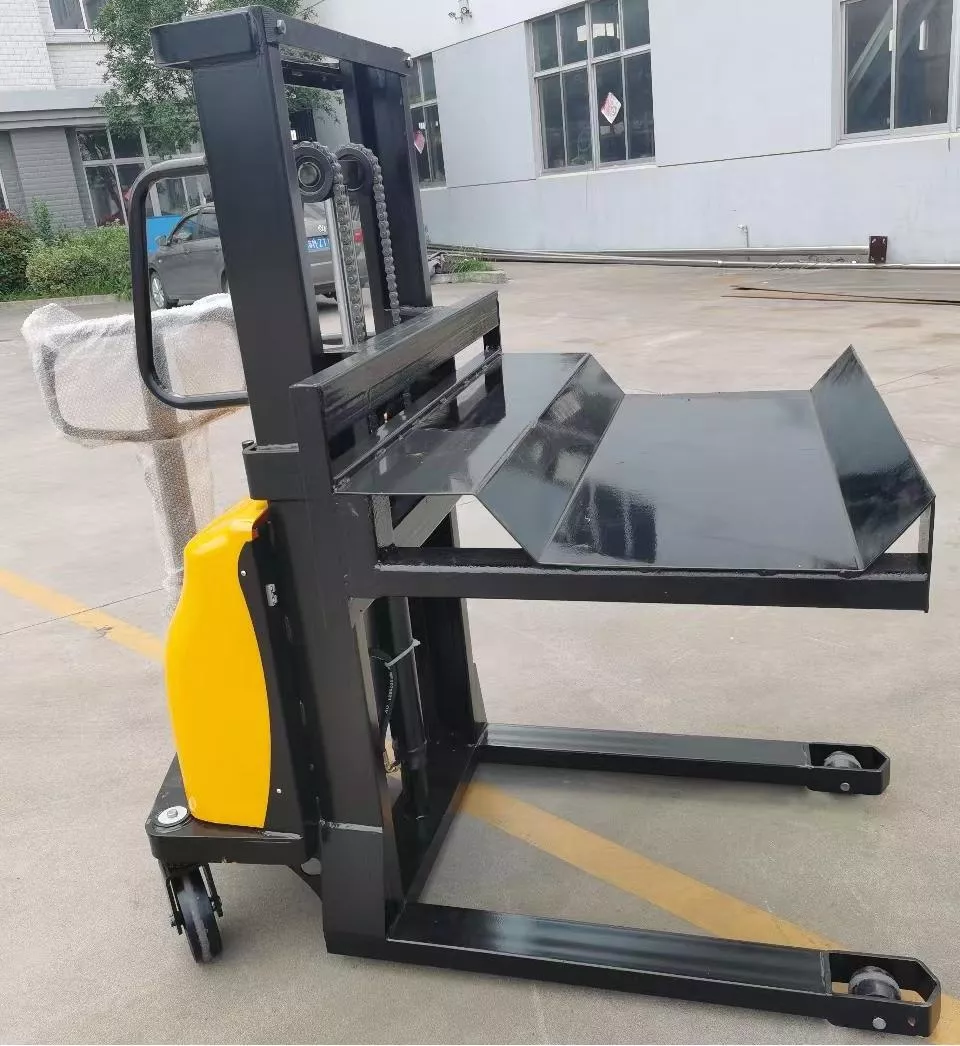 14Paper/Printing Factories
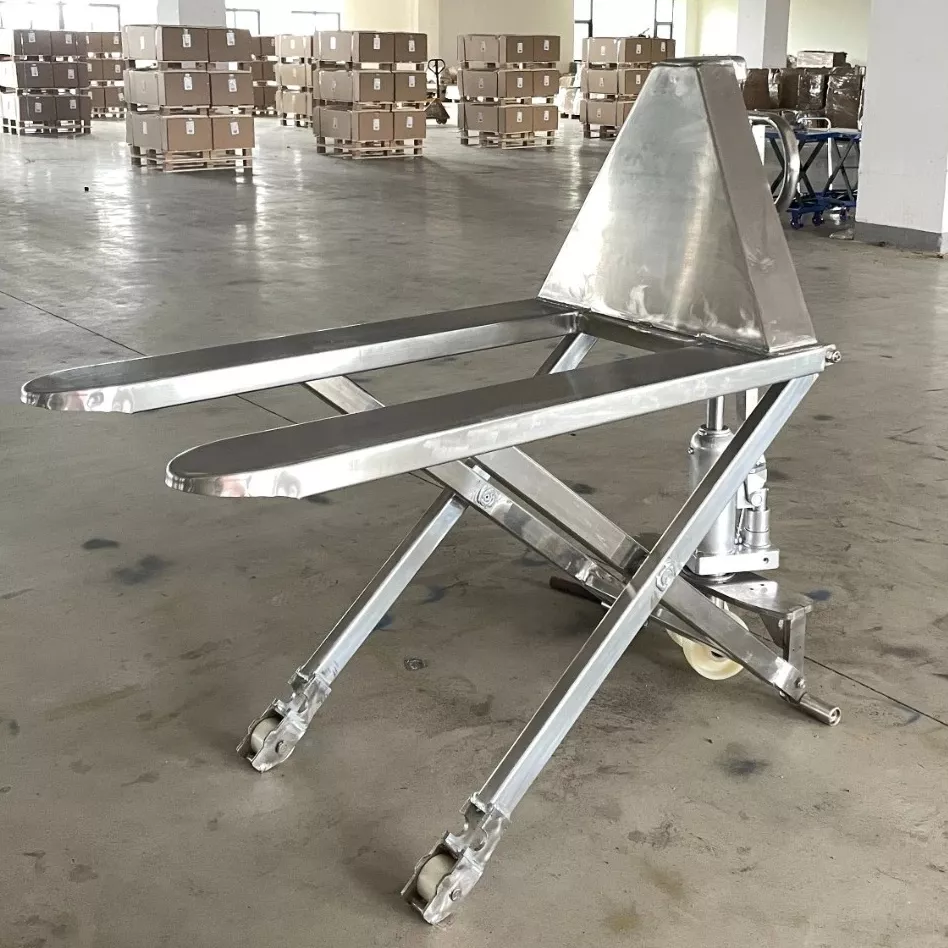 5Stainless steel material handling equipment
- 10Custom case
- 21Company's View
- 10Certificate
- 14Paper/Printing Factories



