Semi-Electric Stacker: The Ideal Choice for Flexibility, Efficiency, and Cost Optimization
 |  |
In the modern warehousing and logistics industry, the efficiency and economy of material handling equipment directly impact a company's operational performance. The semi-electric stacker, an increasingly popular handling tool, combines advantages such as flexible operation and cost savings, making it the preferred choice for many businesses. This article systematically introduces the working principle, core advantages, applicable scenarios, and key purchasing considerations for semi-electric stackers to help you make a more informed decision.
I. Working Principle
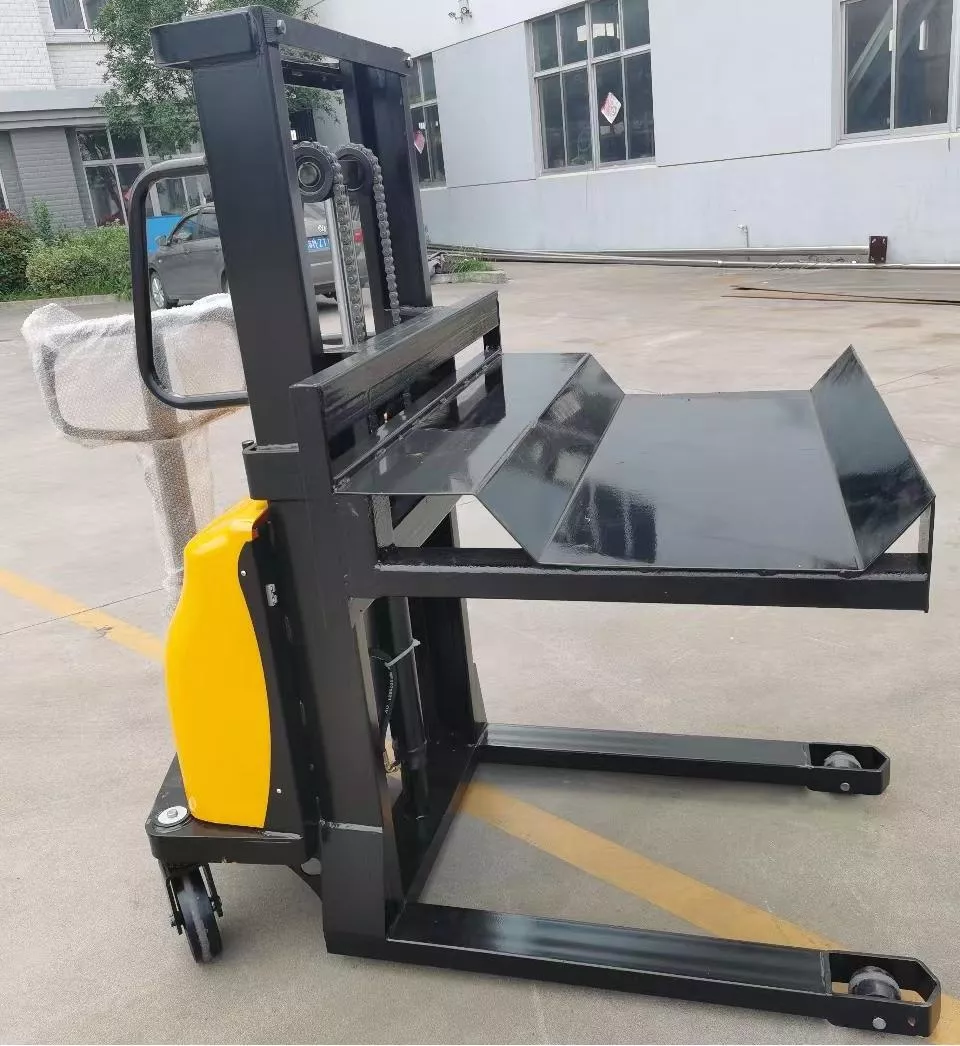
A semi-electric stacker is a material handling device that combines electric-powered lifting with manual propulsion. It mainly consists of a chassis, forks, an electric lifting system, a control handle, and a battery. The operator controls the lifting and lowering of the forks via buttons on the handle, easily completing tasks such as stacking, transporting, loading, and unloading goods.
This equipment is generally powered by a battery, offering features like zero emissions and low noise, making it particularly suitable for indoor environments. Furthermore, semi-electric stackers are typically compact with a small turning radius, allowing for flexible operation in narrow aisles and significantly improving space utilization.
II. Core Advantages
Flexible Operation, High Adaptability
Compact size and easy maneuvering make it especially suitable for high-frequency Carry and stacking tasks in limited spaces, greatly improving workflow efficiency.Low Cost, Economical and Practical
Compared to full-electric forklifts, semi-electric stackers have lower acquisition costs, simpler maintenance, and lower failure rates. Daily requirements typically involve only basic charging and upkeep, effectively reducing long-term operational costs for businesses.Ergonomic Design, Quick to Master
The ergonomic control design is intuitive and simple. Operators can work independently after short-term training, significantly saving training costs and time.Energy Saving and Environmentally Friendly, Aligning with Sustainable Development
Utilizes efficient lithium or lead-acid batteries, offering strong endurance and high energy utilization. Significantly reduces carbon emissions compared to internal combustion forklifts, supporting corporate green operations.
III. Application Scenarios
Warehousing and Logistics: Used for rack access, loading/unloading trucks, and intra-warehouse transportation; suitable for e-commerce, third-party logistics (3PL), and retail distribution centers.
Manufacturing Workshops: Transporting raw materials, semi-finished products, and finished goods; particularly suitable for production line material supply and inter-area transfers.
Shopping Malls and Supermarkets: Optimizing backroom inventory management, improving product organization and restocking efficiency.
Construction Sites: Assisting with the handling of building materials like bagged goods and palletized cargo, reducing manual labor burdens.
IV. Purchasing Guide
Businesses should focus on the following aspects based on actual usage needs:
Rated Load Capacity:
Select the appropriate model based on common cargo weights to avoid overload operation, ensuring equipment lifespan and operational safety.Fork Dimensions and Maximum Lifting Height:
Choose suitable parameters based on rack specifications, pallet types, and stacking requirements to ensure the equipment fits the operational environment.Battery Performance:
Prioritize battery types with long endurance and high charging efficiency, such as lithium-ion batteries, to accommodate multi-shift operation needs.Operational Comfort and Safety:
Pay attention to the ergonomic design of the equipment, such as handle control sensitivity, braking performance, and protective features.After-Sales Service and Parts Support:
Choose suppliers with a good brand reputation and a comprehensive service network to ensure a timely response to maintenance and service needs.
V. Conclusion
With their outstanding flexibility, economy, and environmental benefits, semi-electric stackers have become an important tool for modern businesses to enhance logistics efficiency and reduce operational costs. As technology iterates and functions are upgraded, their application scenarios continue to expand. We recommend that businesses fully assess their actual needs before purchasing, select the right model, and thereby maximize the value of the equipment, enhance material handling capabilities, and boost market competitiveness.
If you are seeking a handling solution that balances performance and cost, the semi-electric stacker is undoubtedly a superior option worth considering.


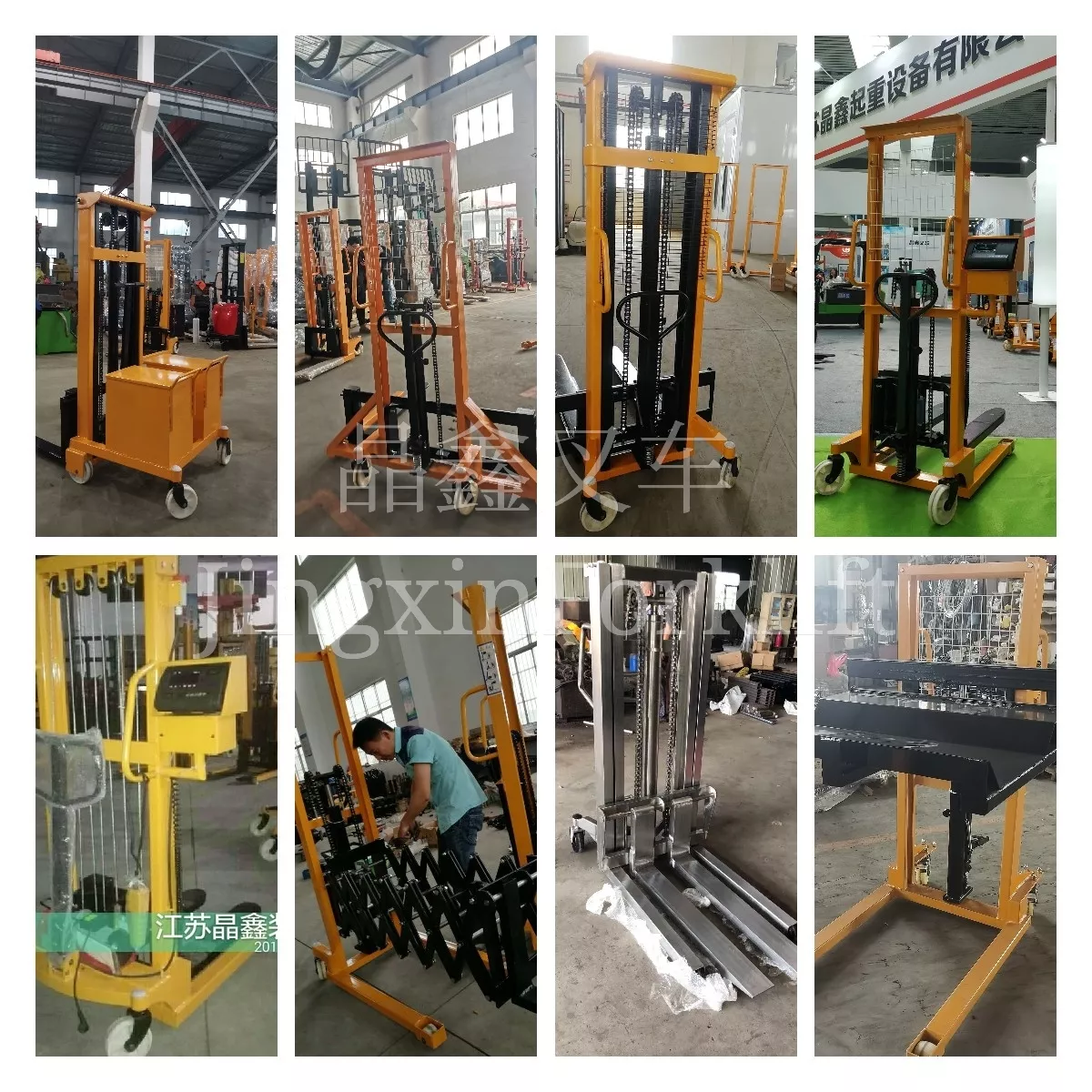 10Custom case
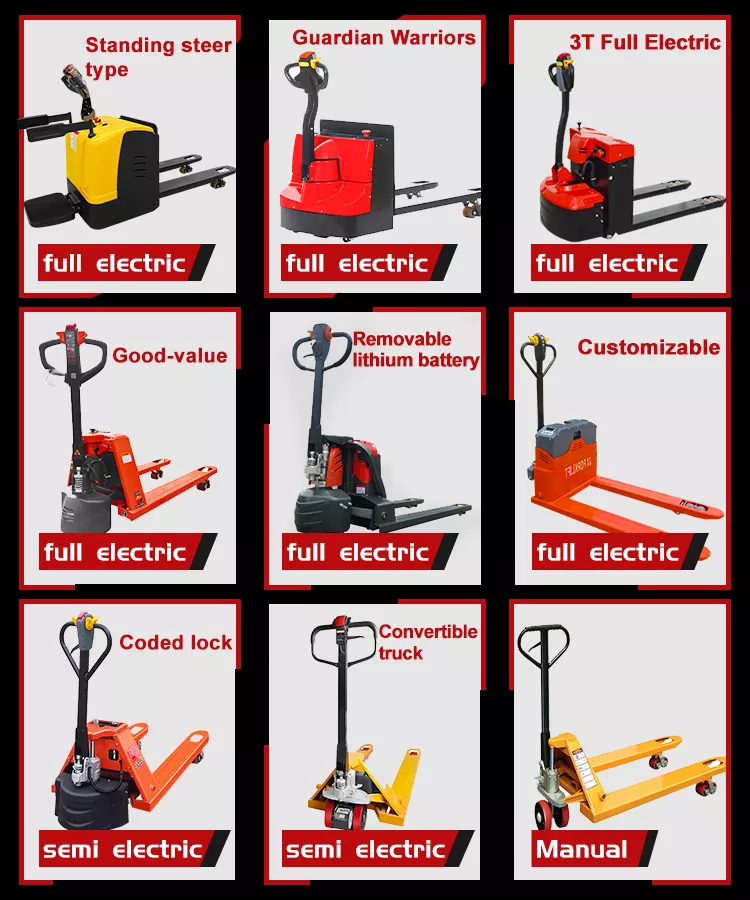 21Company's View
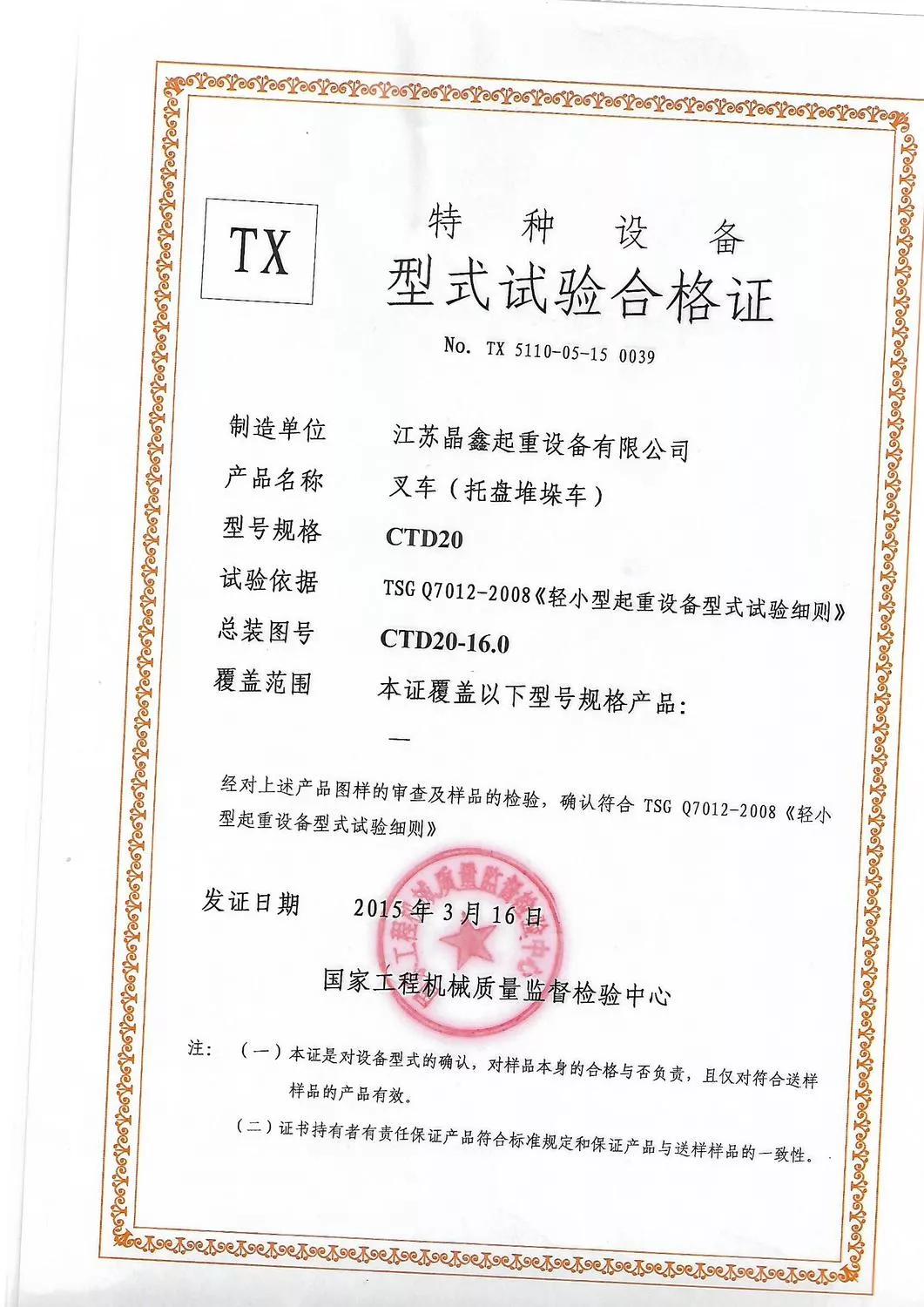 10Certificate
 14Paper/Printing Factories
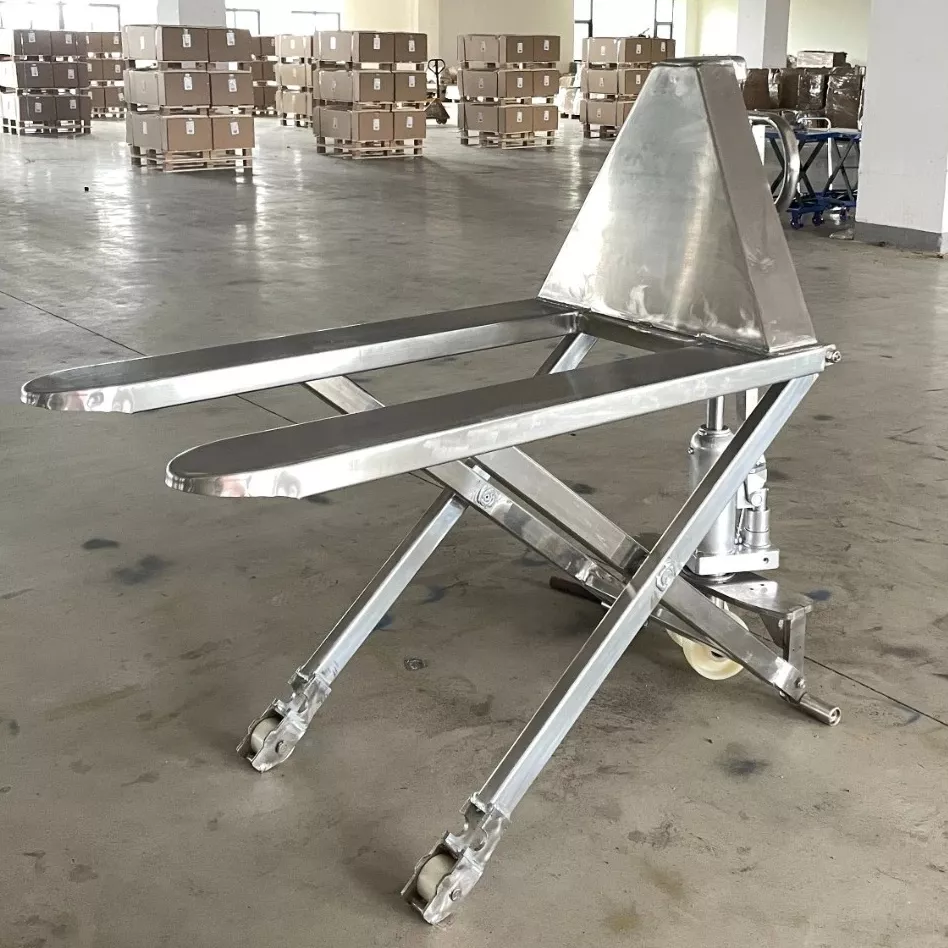 5Stainless steel material handling equipment



