In the modern logistics and warehousing system, efficiency, space utilization, and safety are the eternal core propositions. Faced with the continuous rise in land costs and the sharp fluctuations between peak and trough periods of e-commerce orders, how to maximize storage capacity and sorting efficiency without expanding the site has become an urgent problem for the industry to solve. Among various solutions, the high-lift handling solution—with a maximum load capacity of 1.5 tons and a lifting height of 800mm—has emerged as a key driver of innovation in the logistics industry, thanks to its precise positioning and outstanding performance.
Traditional material handling equipment, such as ordinary flatbed trucks, is only capable of point-to-point horizontal transportation. If goods need to be placed on shelves or transferred to workbenches, additional forklifts or manual labor are required for secondary handling. This "interrupted workflow" not only causes time delays and labor waste but also increases the risk of goods damage during multiple handlings.
The core innovation of high-lift handling solutions (represented by high-lift
electric pallet trucks) lies in integrating
horizontal transportation and
vertical lifting functions into one. With a maximum lifting height of 800mm, these solutions can directly achieve seamless connection from the ground to shelves, workbenches, conveyor belts, or the floor of freight vehicles. Although this functional integration seems simple, it has brought revolutionary changes to the entire logistics operation process.
1.5-ton load capacity: This load capacity accurately covers the conventional load of standard pallets (1200mm × 1000mm)—the most common unitized logistics carriers in warehouses. Whether it is full cases of beverages, packaged food, daily necessities, or small mechanical and electrical products, their weights mostly fall within this range, making the equipment highly versatile.
800mm lifting height: This height is not randomly set but is carefully designed to meet multiple operational needs:
Shelf docking: It can directly transport goods to the bottom-level storage locations (usually the first and second layers) in the warehouse, enabling rapid replenishment and picking.
Workbench docking: In the order sorting area, operators can pick goods from pallets lifted to a suitable height without bending down, which greatly reduces labor intensity, improves sorting efficiency and accuracy, and complies with ergonomic principles.
Conveyor line docking: It can easily lift palletized goods to the same height as conveyor equipment such as roller lines and chain plate lines, realizing automated connection.
The high-lift handling solution—with a maximum load capacity of 1.5 tons and a lifting height of 800mm—perfectly meets the requirements of modern logistics for refinement, flexibility, and efficiency through its precise parameter definition and functional design. It is no longer a simple handling tool but a strategic asset that empowers logistics process innovation and drives warehousing transformation. With the continuous advancement of technology and the deepening of application scenarios, high-lift handling solutions will undoubtedly play an increasingly important role in the blueprint of smart logistics.


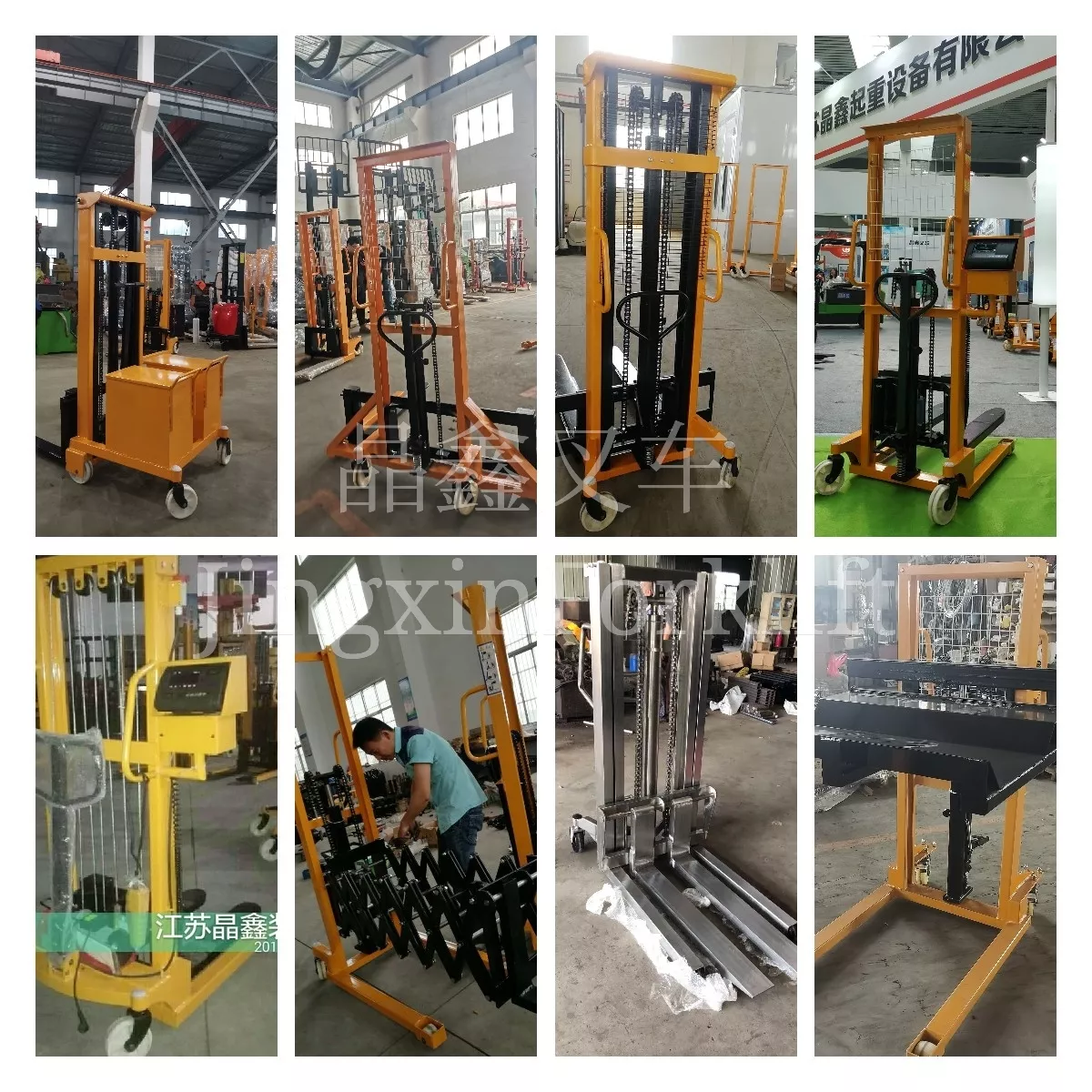 10Custom case
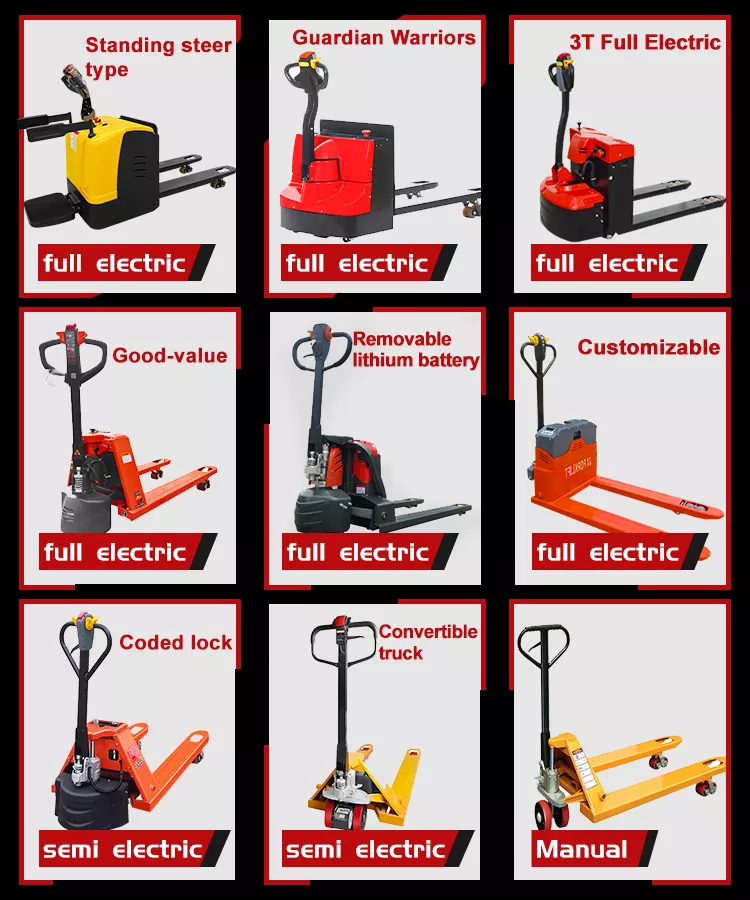 21Company's View
 10Certificate
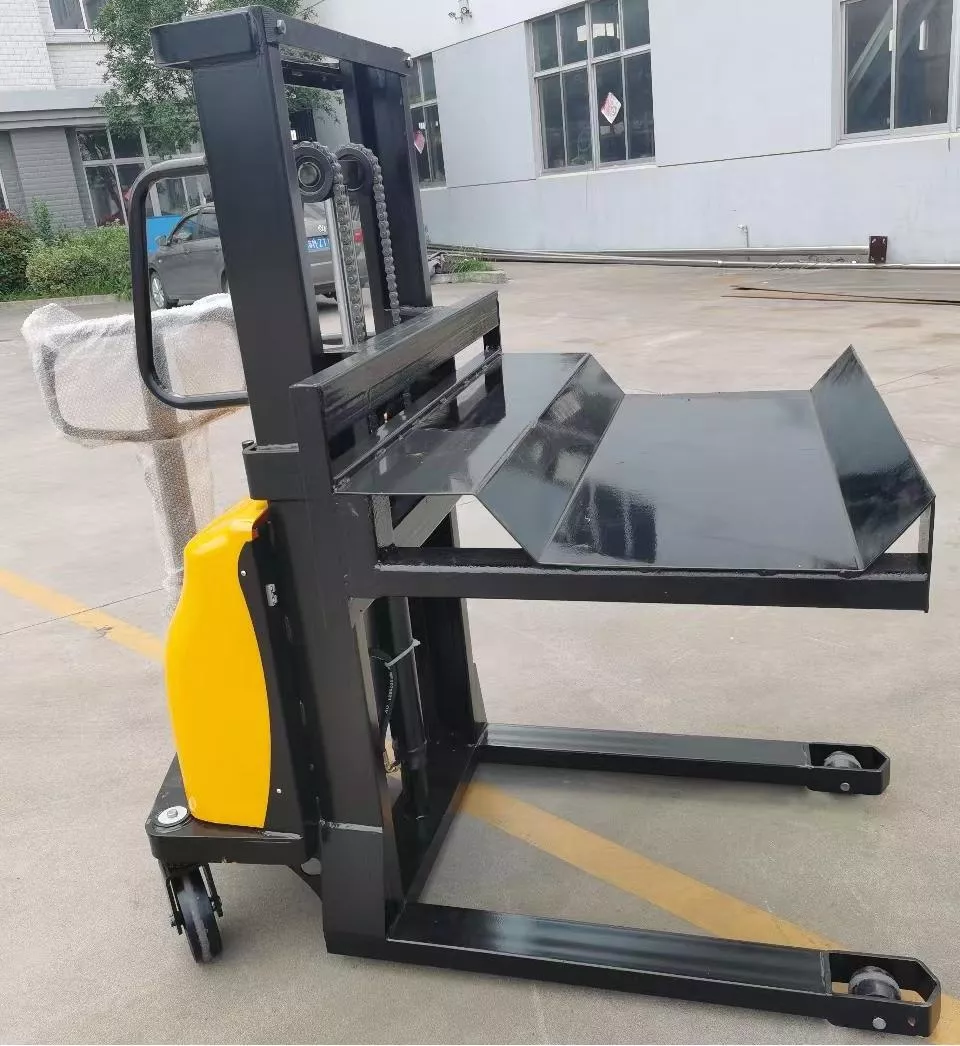 14Paper/Printing Factories
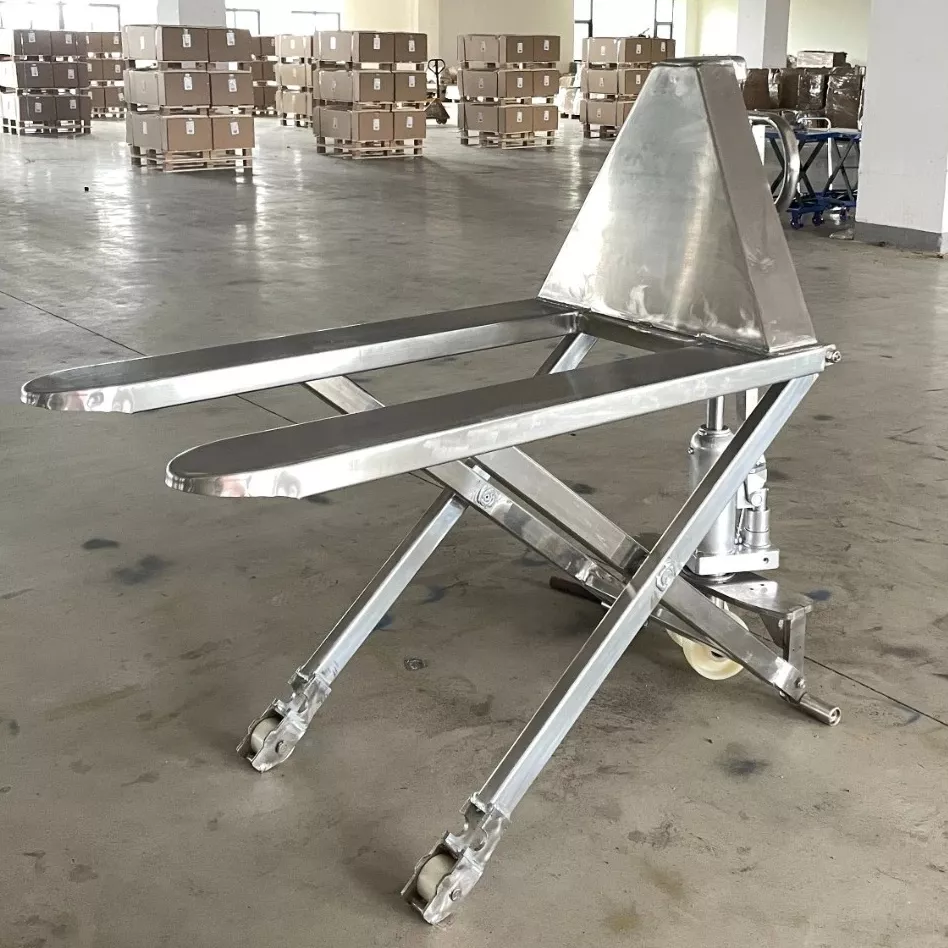 5Stainless steel material handling equipment



