In today's rapidly developing warehousing and logistics industry, balancing efficiency, cost, and labor demand has become a core issue for enterprises to enhance their competitiveness. As the "golden balance point" between manual and fully electric equipment, semi-electric stackers, with their unique design and performance, are gradually becoming the first choice for small and medium-sized warehouses, workshops, and retail scenarios. This article will comprehensively analyze the value of semi-electric stackers from aspects such as equipment characteristics, core advantages, applicable scenarios, and purchasing points.
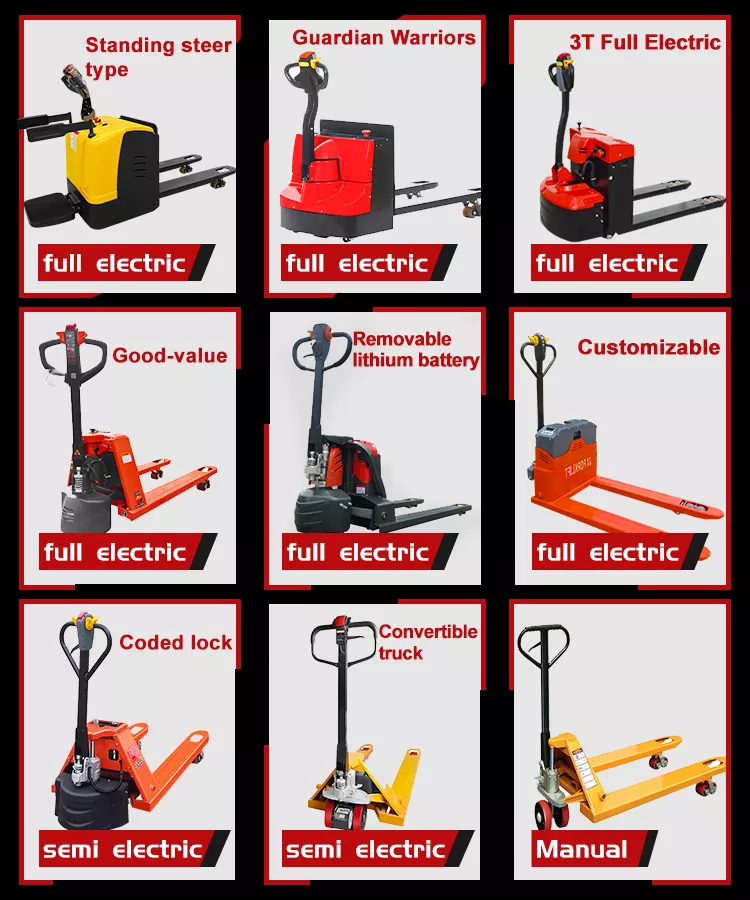
Semi-electric stackers are material handling equipment that combines electric assistance and manual operation. Their core design concept is "electrification of key actions, humanization of auxiliary actions". Compared with purely
manual stackers, they entrust the most labor-intensive "lifting operation" to the electric system; compared with fully electric stackers, they retain the flexibility of manual pushing and do not require complex drive motors and control systems.
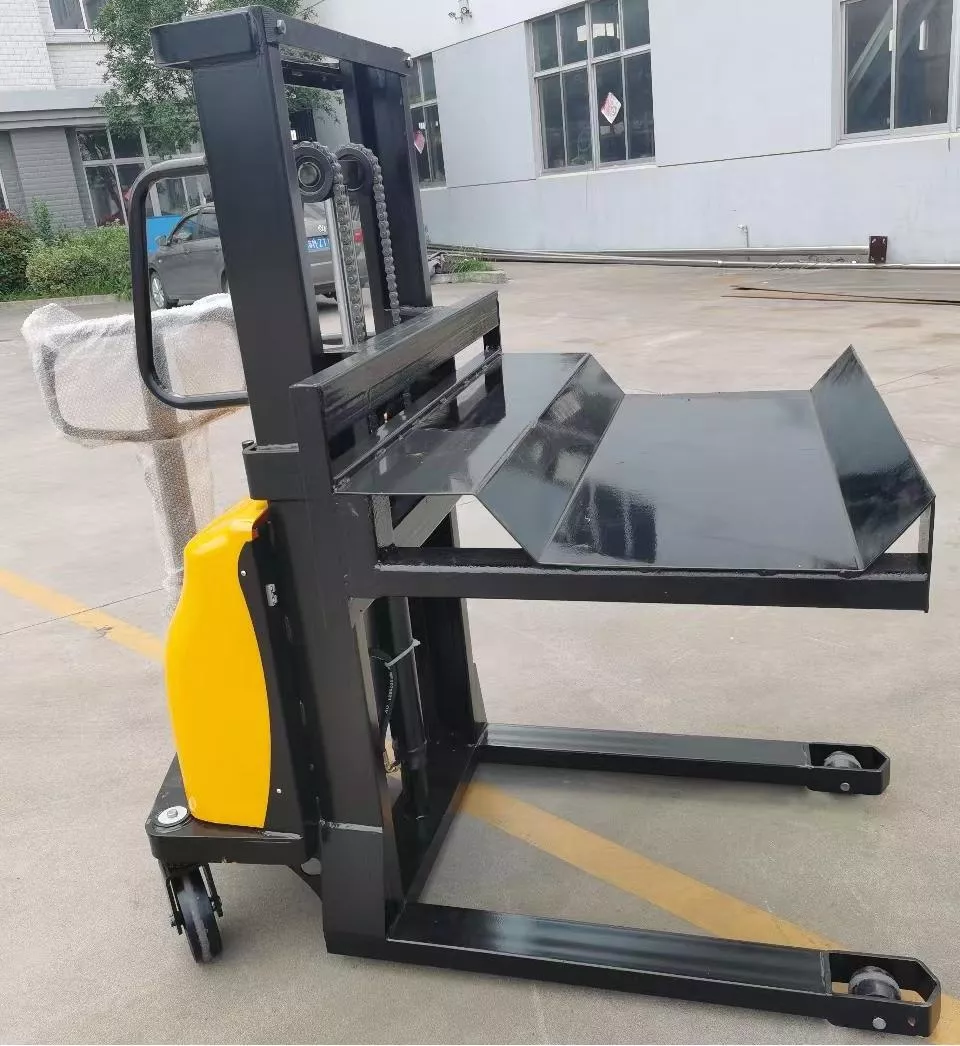
Electric lifting system: Driven by a hydraulic pump powered by a battery, it can precisely control the lifting speed and height of the forks (usually with a maximum lifting height of 3-5 meters), avoiding the physical consumption of manual pumping.
Manual drive mechanism: Forward, backward, and steering rely on human pushing. The body is designed to be lightweight (self-weight is mostly 500-800kg), and can turn flexibly even in narrow passages.
Safety protection devices: Equipped with overload protection (automatically locks the lifting when exceeding the rated load), emergency stop button, and anti-slip footrests to reduce operational risks.
Typical needs: Handling 500-2000 pieces of goods per day, shelf height within 3 meters, and channel width of 1.5-2 meters.
Advantages: Replacing manual stackers to reduce manpower, and avoiding the idle waste of fully electric equipment (fully electric equipment is suitable for scenarios with daily operation of more than 8 hours).
Typical needs: Transfer of raw materials/semi-finished products between production lines and temporary storage areas, with a single load of 500-1500kg and a handling distance of less than 50 meters.
Advantages: The lightweight body can directly pass through workshop doors and elevators, without the need to separately plan channels for the equipment.
Typical needs: Supermarket shelf replenishment (height 2-3 meters), goods handling in cold chain warehouses (0-10℃).
Advantages: The battery can maintain stable in low-temperature environments, and there is no exhaust emission, making it suitable for enclosed spaces.
Load capacity and lifting height: Choose according to the weight of the goods (it is recommended to reserve 20% margin) and the height of the shelves. For example, if you usually handle 1-ton goods, you can choose a model with a load capacity of 1.5 tons and a lifting height of 3 meters.
Battery type: Lead-acid batteries (low price, about 4-6 hours) or lithium batteries (small size, fast charging, 2-3 times longer service life, suitable for high-frequency use).
Body size: Focus on the "minimum turning radius" to ensure flexible U-turn in the warehouse channel.
After-sales service: Choose brands that provide local maintenance services to avoid shutdown due to waiting for parts when the equipment fails.
With the penetration of IoT technology, semi-electric stackers are gradually adding intelligent functions: for example, monitoring battery status through sensors and warning of low battery, or connecting to the warehouse management system to record handling trajectories, helping enterprises optimize inventory turnover. However, the core advantage will still focus on "cost performance" - meeting the needs of small and medium-sized scenarios while maintaining a lower cost threshold than fully electric equipment.
For enterprises pursuing "good enough", semi-electric stackers are not a simple upgrade of manual equipment, but the optimal solution for efficiency and labor costs with the least investment. Its value lies in enabling more small and medium-sized warehousing enterprises to enter the threshold of efficient operation at an affordable cost.


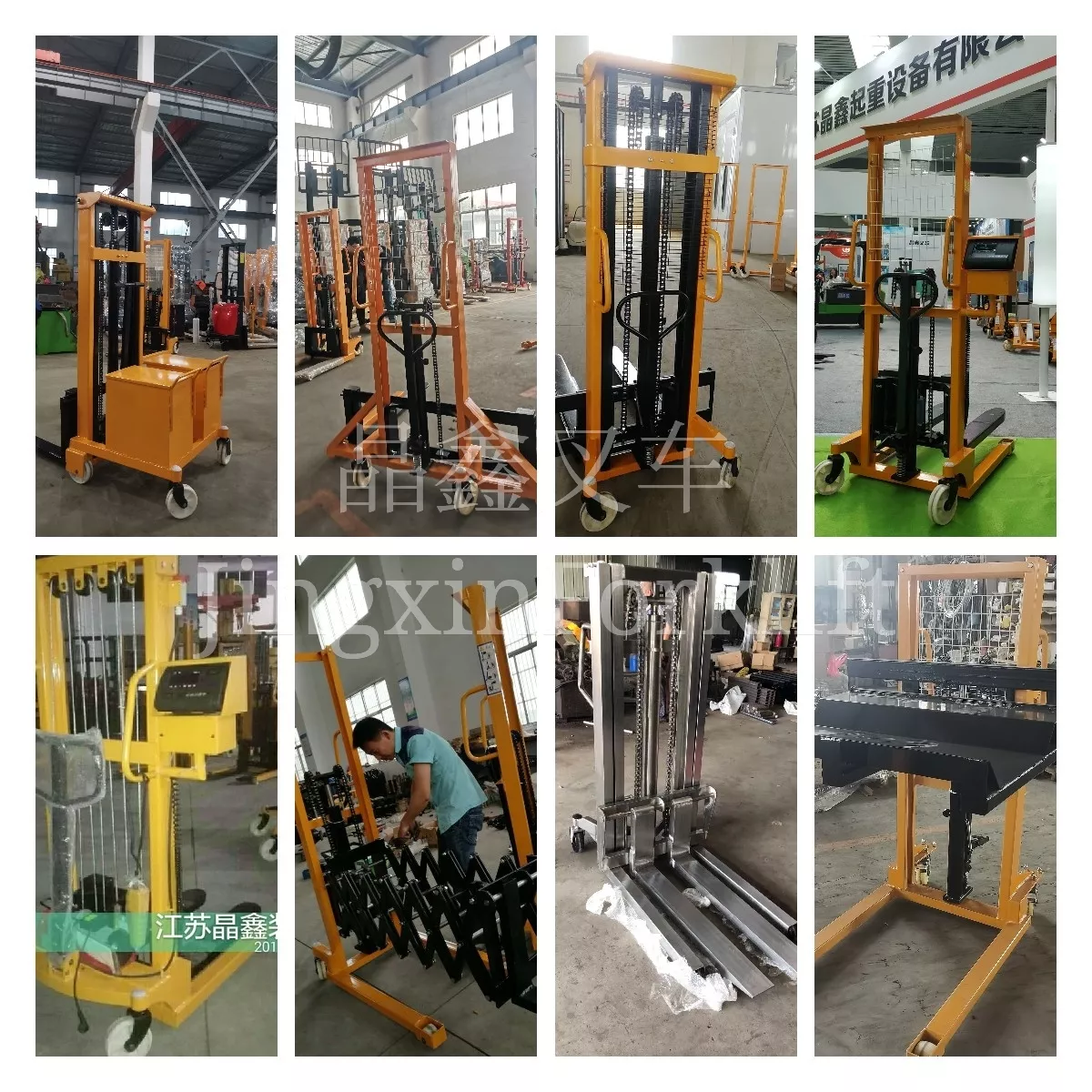 10Custom case
 21Company's View
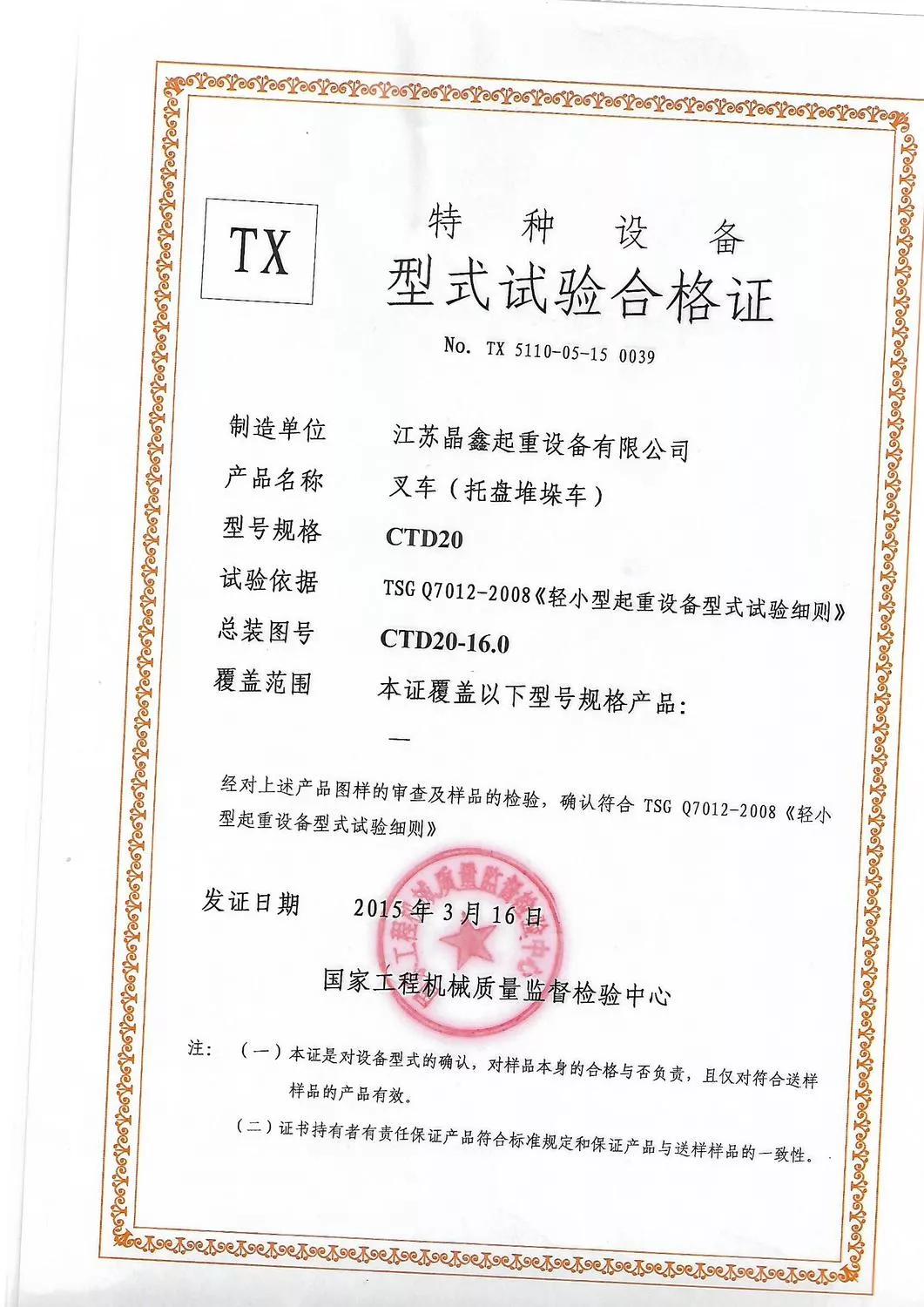 10Certificate
 14Paper/Printing Factories
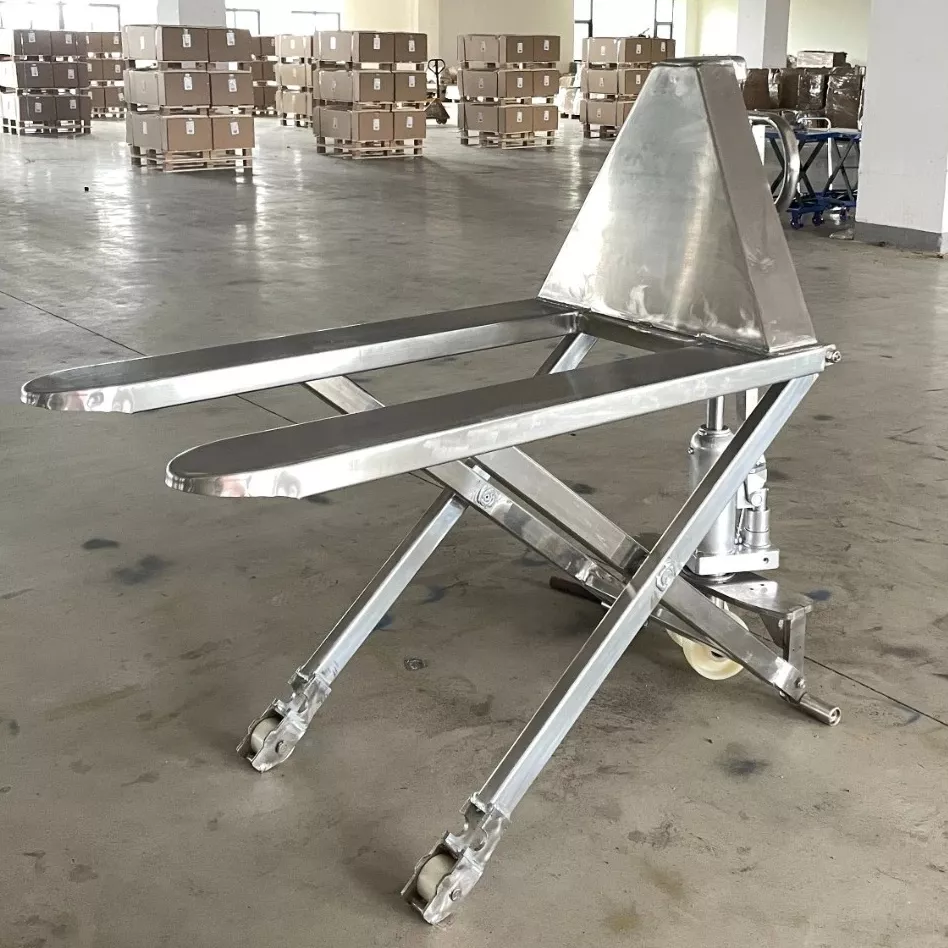 5Stainless steel material handling equipment



