Monthly Maintenance Checklist for Manual Pallet Trucks: Key Inspection Points for 5 Critical Components
 |  |
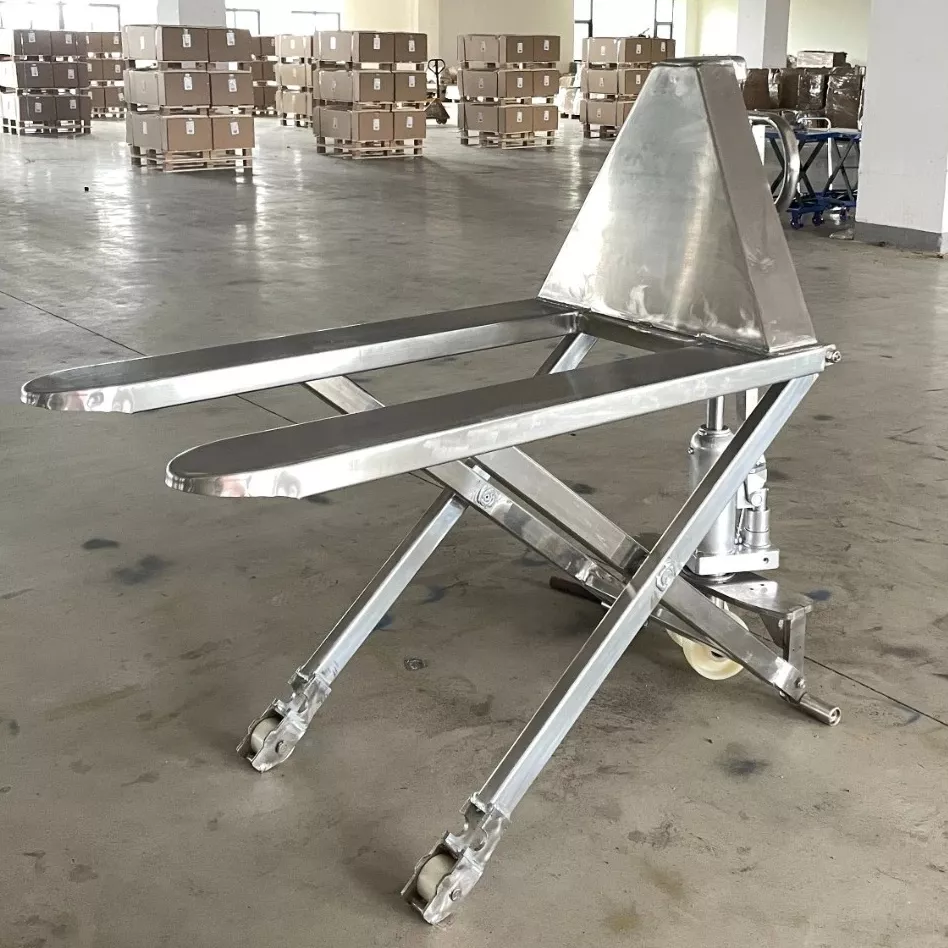
Appearance Integrity: Focus on checking whether the load-bearing areas have wear, scratches, or deformation, especially paying attention to the connection parts between the root and the middle section of the fork arms. If damages such as depressions or cracks are found, the equipment must be shut down for maintenance immediately, and new parts should be replaced if necessary to eliminate the risk of structural fracture caused by overloading.
Loading Stability: Verify that the actual load of the fork arms is within the rated range. Through no-load and full-load tests, confirm that the goods do not shake or shift after being placed. At the same time, check whether the anti-slip patterns on the surface of the fork arms are clear to avoid accidents caused by goods slipping.
Anti-rust Coating Protection: Regularly check the integrity of the anti-rust coating on the surface of the fork arms. For areas with peeling or rust, promptly perform derusting and repainting to prevent the metal base from being weakened by oxidative corrosion.
Wear Detection: Measure the wheel diameter and tread thickness, and compare with the original parameters to determine the wear rate. If there is uneven wear, frayed edges, or tread cracks, replace them in time to avoid operational jams or ground damage caused by wheel imbalance.
Rotation Flexibility: Manually rotate the wheels to check for jamming or abnormal noise. Inspect the lubrication status of the bearings. For wheels that do not rotate smoothly, clean and lubricate them, and replace the bearing components if necessary.
Fixing Firmness: Check the tightness of the wheel axle nuts one by one. Use a torque wrench to tighten them according to the standard torque to prevent the risk of deviation or falling off caused by loose wheels.
Mechanical Linkage: Test the smoothness of operations such as lifting and tilting of the handle, and check the wear of connecting parts such as hinges and pins. If looseness or jamming is found, adjust the clearance and apply grease, and replace worn parts if necessary.
Operational Comfort: Confirm that the anti-slip performance and angle design of the handle grip conform to ergonomics to avoid muscle fatigue caused by long-term operation.
Safety Function Verification: For handle devices equipped with emergency braking and overload alarms, conduct functional tests to ensure timely response in abnormal situations.
Oil Level and Purity: Check whether the hydraulic oil tank level is within the scale range. Use the same type of hydraulic oil when replenishing. Observe the state of the oil. If turbidity, emulsification, or impurity precipitation occurs, replace it immediately and clean the oil tank.
Sealing Performance Detection: Carefully inspect parts such as the cylinder piston rod, oil pipe joints, and oil seals to confirm no leakage traces. Tighten minor leakage points in time, and replace the sealing parts if serious to prevent insufficient power caused by hydraulic oil loss.
Lifting Performance Test: Test the uniformity of lifting speed under no-load and full-load conditions to confirm no jamming or settlement. If slow lifting is found, check core components such as the hydraulic pump and overflow valve.
Brake System Efficiency: Test the braking response speed and stability of the handbrake and footbrake. Check the wear degree of the brake pads to ensure the brake clearance meets the standard. Conduct parking tests on sloped roads to verify braking reliability.
Limit Protection Function: Check whether the fork lifting limiter and forward/backward tilting limit devices are sensitive to prevent mechanical damage caused by over-travel operation.
Status of Warning Devices: For equipment equipped with warning lights and buzzers, test their triggering effect during abnormal operations to ensure the warning signals are clearly distinguishable.


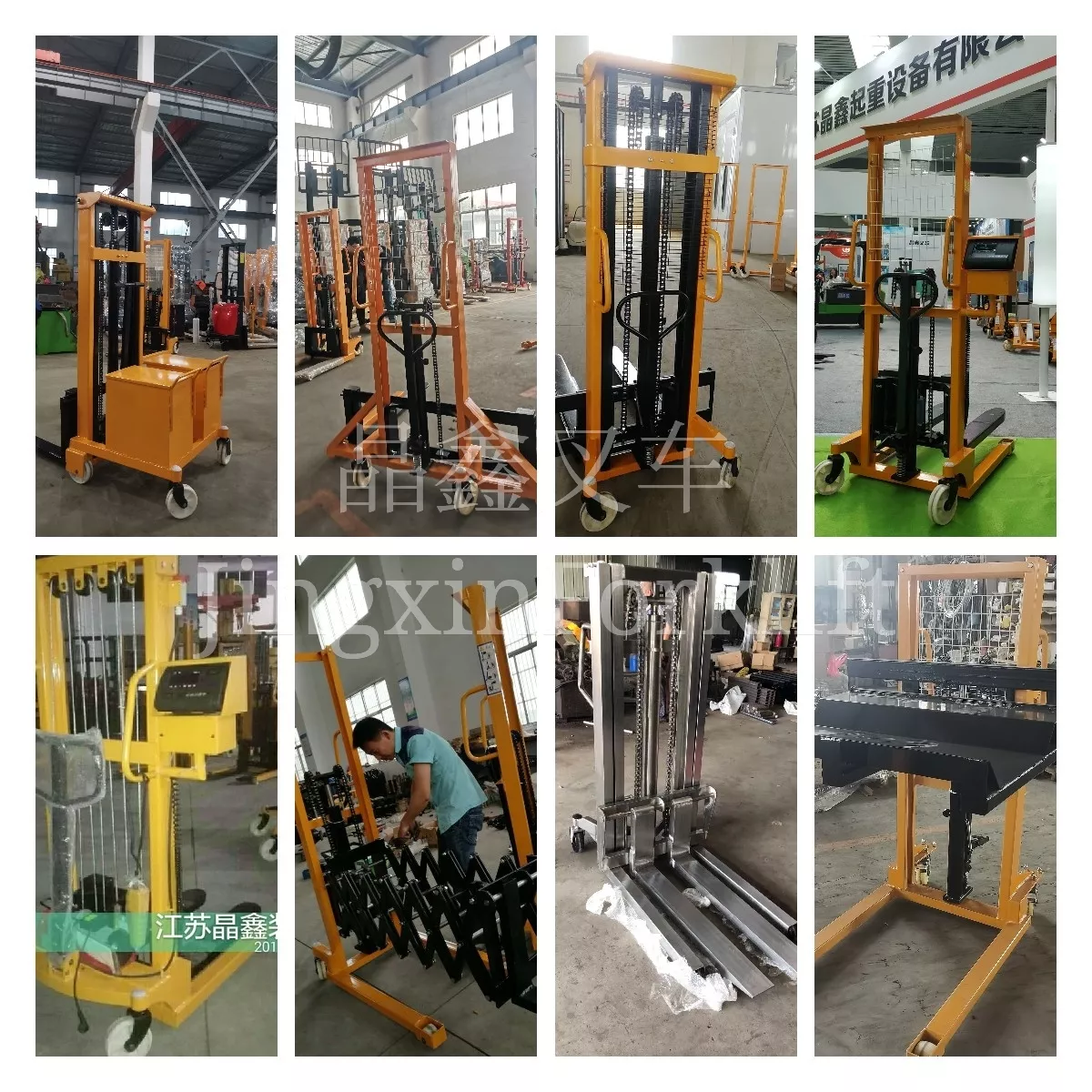 10Custom case
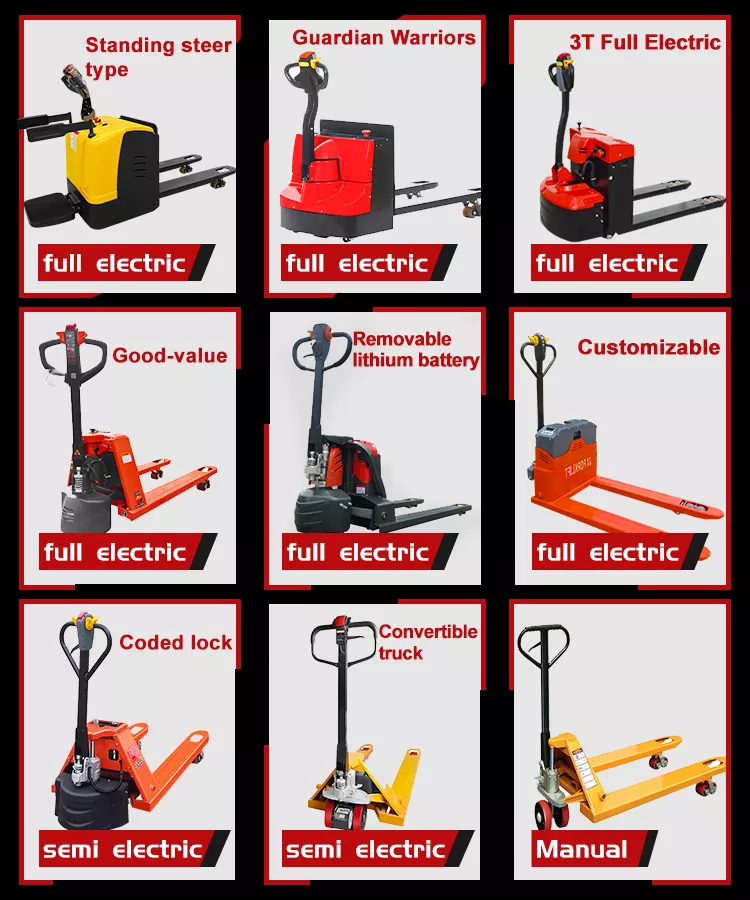 21Company's View
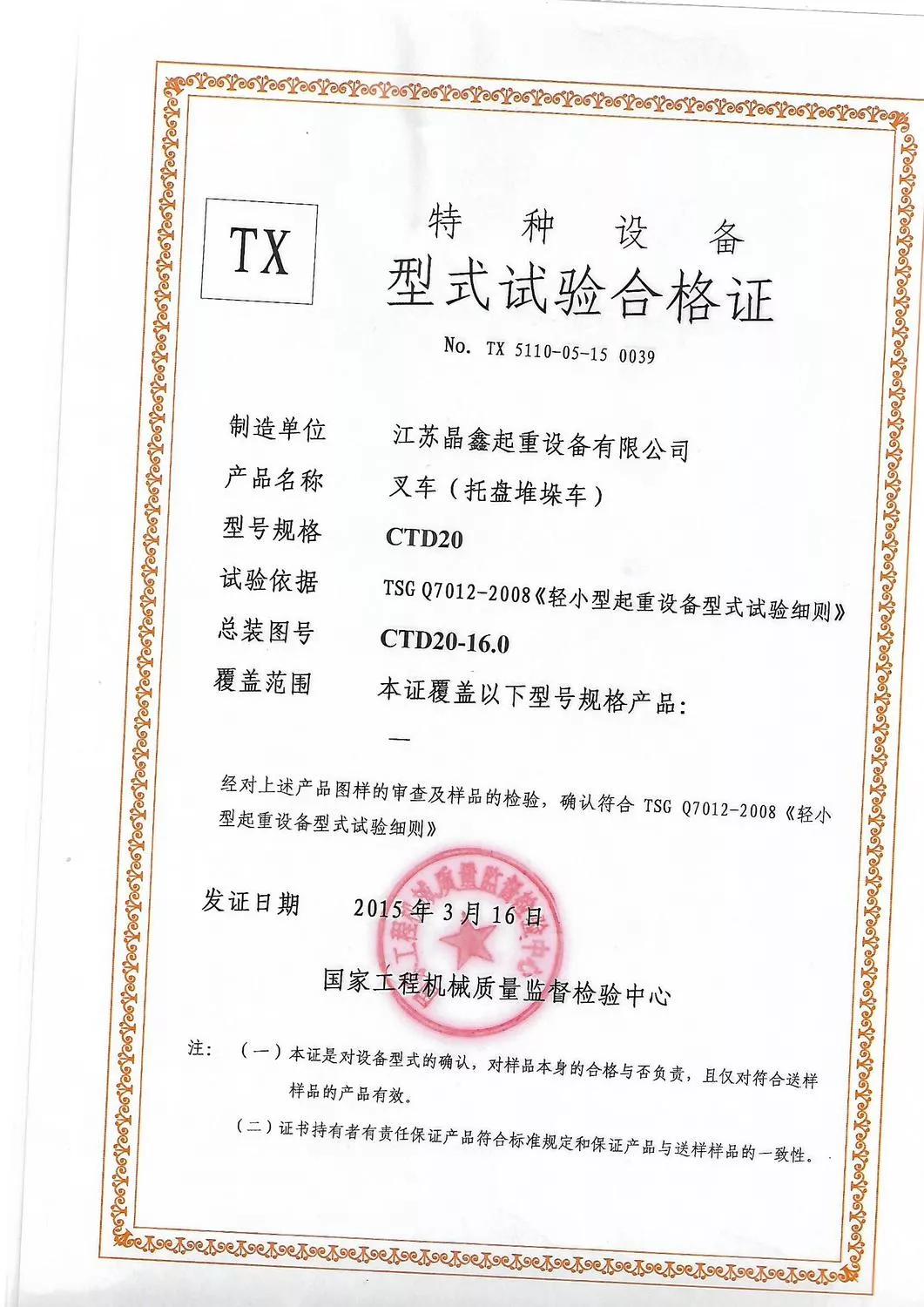 10Certificate
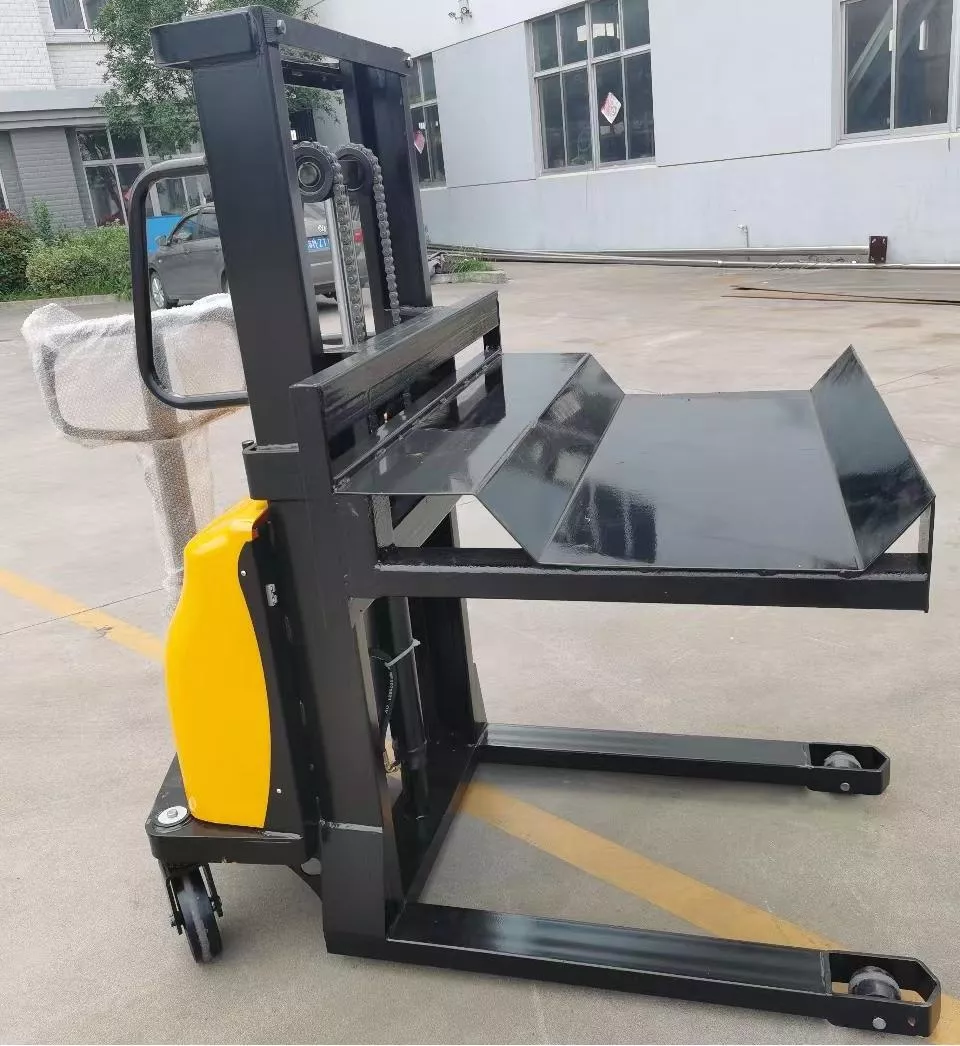 14Paper/Printing Factories
 5Stainless steel material handling equipment
- 10Custom case
- 21Company's View
- 10Certificate
- 14Paper/Printing Factories



