Stainless Steel Manual Stacker: The Ideal Handling Solution for Food and Pharmaceutical Industries
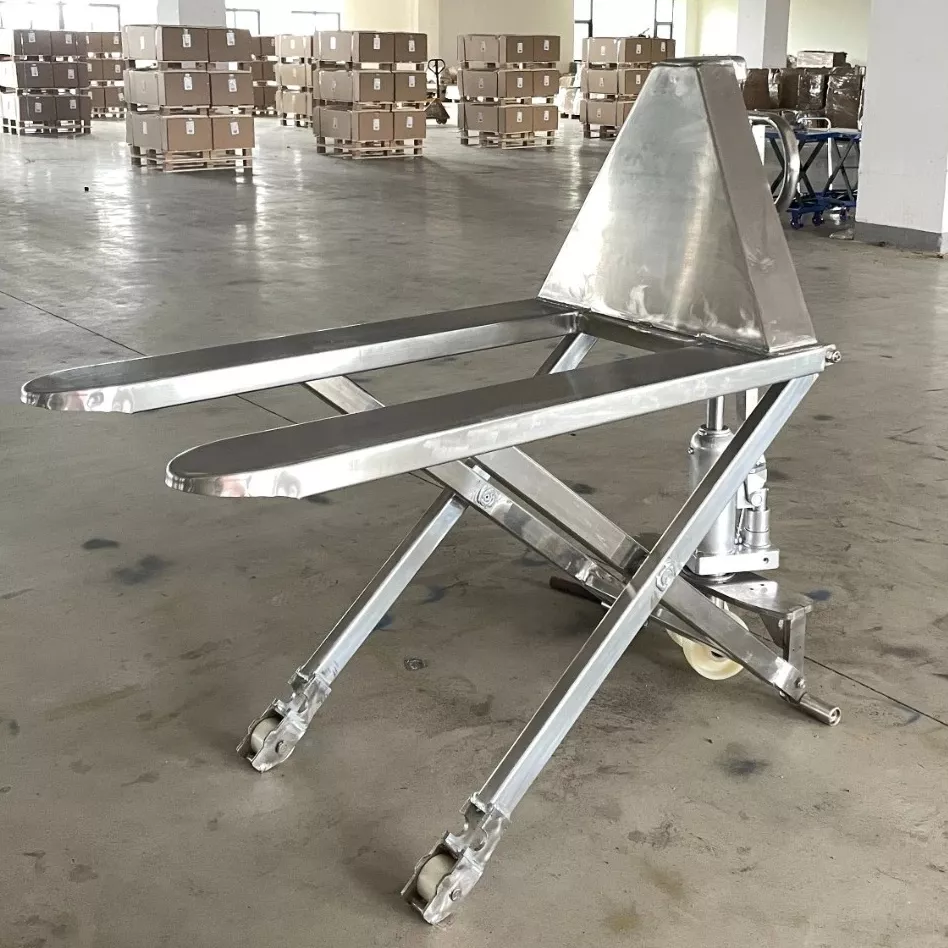
In the field of modern industrial production and logistics warehousing, the choice of handling equipment directly affects work efficiency and safety standards. Among them, the stainless steel manual stacker, with its unique material advantages and flexible operational performance, has become the ideal choice for industries with strict hygiene requirements such as food, pharmaceuticals, and chemicals. This article will delve into the characteristics, application scenarios, and purchasing considerations of stainless steel manual stackers to help enterprises make more suitable equipment investment decisions.
Core Advantages of Stainless Steel Manual Stackers
The biggest difference between stainless steel manual stackers and traditional carbon steel stackers lies in their main structure, which is made of high-quality stainless steel (usually 304 or 316 stainless steel). This material characteristic endows the equipment with several irreplaceable advantages:
Excellent corrosion resistance is the core competitiveness of stainless steel stackers. 304 stainless steel contains 18% chromium and 8% nickel, which can effectively resist corrosive media such as water, steam, and weak acids. Even if used in a humid environment for a long time, it is not easy to rust, greatly extending the service life of the equipment.
Compliance with strict hygiene standards makes it an essential equipment in industries such as food processing and pharmaceutical production. The smooth surface of stainless steel is easy to clean and not easy to breed bacteria, which can directly contact food raw materials or pharmaceutical intermediates, fully meeting the requirements of industry specifications such as GMP and HACCP.
The sturdy yet lightweight structure achieves a perfect balance between strength and flexibility. Compared with carbon steel equipment of the same specification, stainless steel stackers, while ensuring load-carrying capacity (usually with a load range of 1-3 tons), are more convenient for manual operation, especially suitable for narrow working environments.
Low maintenance cost reflects its economic advantage. Stainless steel materials are not easy to be damaged. Daily maintenance only requires simple cleaning to maintain good condition, which significantly reduces the frequency of repairs and replacements, and the long-term use cost is significantly lower than that of traditional equipment.
Applicable Scenarios and Industry Applications
The special performance of stainless steel manual stackers enables them to play an irreplaceable role in multiple industries:
In the field of food processing and warehousing, from raw material storage to finished product handling, stainless steel stackers can easily cope with special environments such as cold storage and cleaning areas. Whether it is the low-temperature and humid environment of meat processing workshops or the frequent cleaning operations in beverage production workshops, they can maintain stable performance.
The pharmaceutical and biopharmaceutical industry has extremely high requirements for the cleanliness of equipment. Stainless steel stackers can be directly used for material transfer in pharmaceutical raw material warehouses and sterile workshops, avoiding the pollution risks that traditional equipment may bring, and ensuring that the production environment meets GMP certification standards.
In chemical and corrosive environments, stainless steel materials can resist the erosion of chemicals such as acids and alkalis, and are suitable for occasions that need to contact corrosive raw materials such as fine chemicals and cosmetics production.
In addition, in places with special requirements for environmental cleanliness such as precision electronics workshops and clean rooms, stainless steel manual stackers can also meet their strict usage standards, avoiding dust and rust pollution.
Purchasing Considerations and Usage Maintenance
When choosing a stainless steel manual stacker, the following key factors need to be comprehensively considered:
Load capacity and lifting height are the primary parameters. Select the appropriate load capacity (commonly 1-2 tons) and lifting height (usually 2-3 meters) according to actual operation needs to ensure that daily operation needs are met while avoiding resource waste.
The grade of stainless steel material should be selected according to the corrosiveness of the environment: 304 stainless steel is suitable for general humid environments and mild corrosion occasions; 316 stainless steel contains molybdenum, has stronger corrosion resistance, and is suitable for special environments in contact with seawater, strong acids, etc., but the cost is relatively high.
Operational convenience cannot be ignored. High-quality stainless steel stackers should be equipped with a smooth lifting mechanism, a flexible steering system, and reliable braking devices to reduce the labor intensity of operators.
Compliance certification is a must for the food and pharmaceutical industries. Choose products that have passed ISO, CE, and other certifications to ensure that the equipment meets industry safety and hygiene standards.
In daily use, attention should be paid to regularly cleaning the stainless steel surface to keep the equipment clean; checking whether the hydraulic system leaks oil, and timely adding food-grade hydraulic oil; regularly lubricating moving parts to ensure smooth operation. Proper maintenance can extend the service life of the equipment to more than 10 years.
Conclusion
Stainless steel manual stackers, with their characteristics of corrosion resistance, easy cleaning, and compliance with hygiene standards, are becoming key equipment for food, pharmaceutical, and other industries to improve handling efficiency and ensure product safety. Choosing a suitable stainless steel manual stacker can not only meet the operation needs in special environments but also bring long-term economic benefits and compliance guarantees to enterprises.
In the current context of increasing requirements for industrial automation and food safety, investing in high-quality stainless steel manual stackers is undoubtedly a wise choice for enterprises to enhance competitiveness and achieve sustainable development.


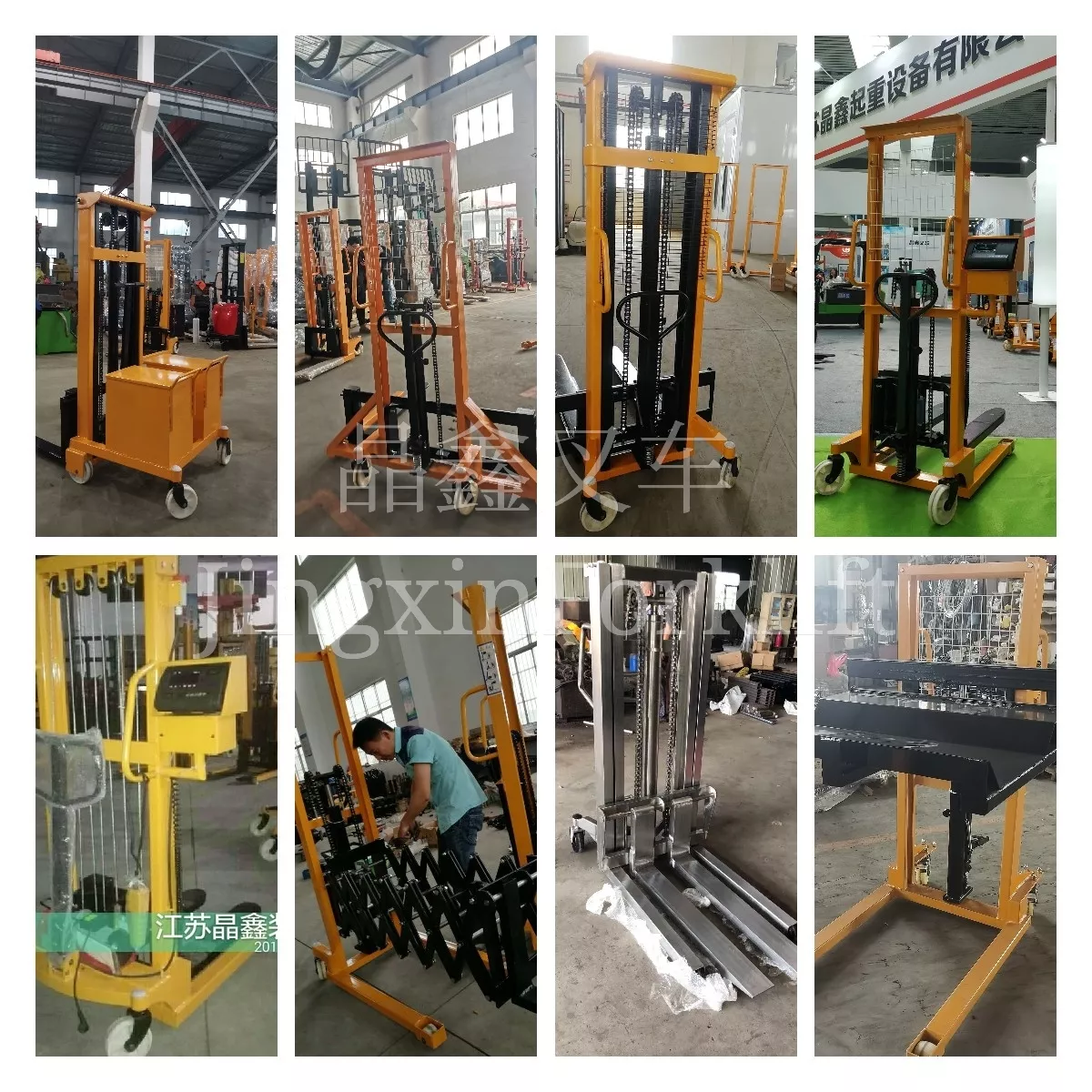 10Custom case
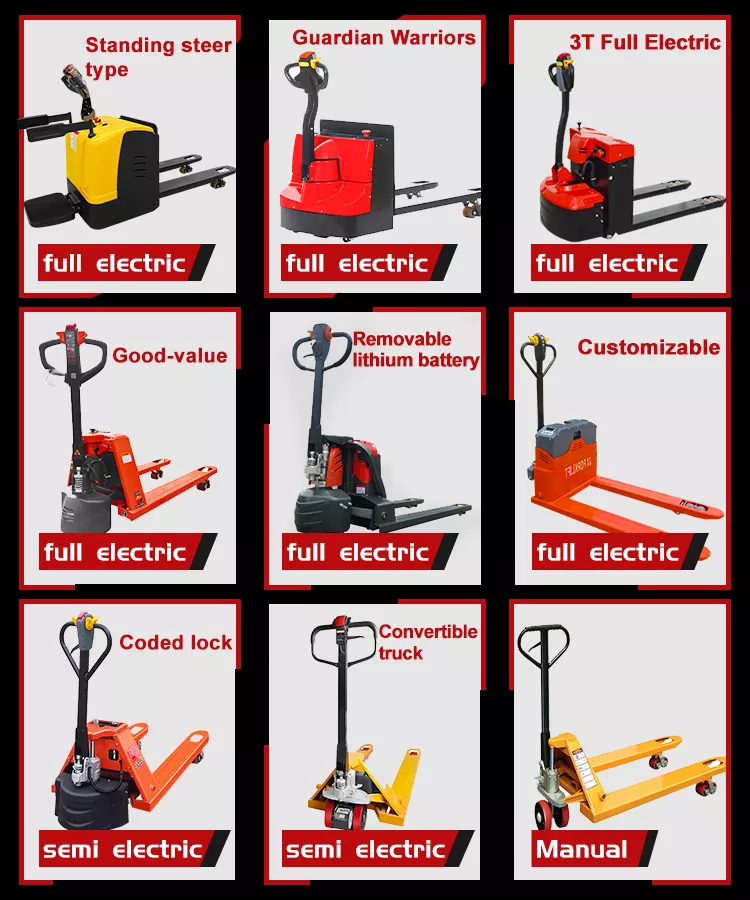 21Company's View
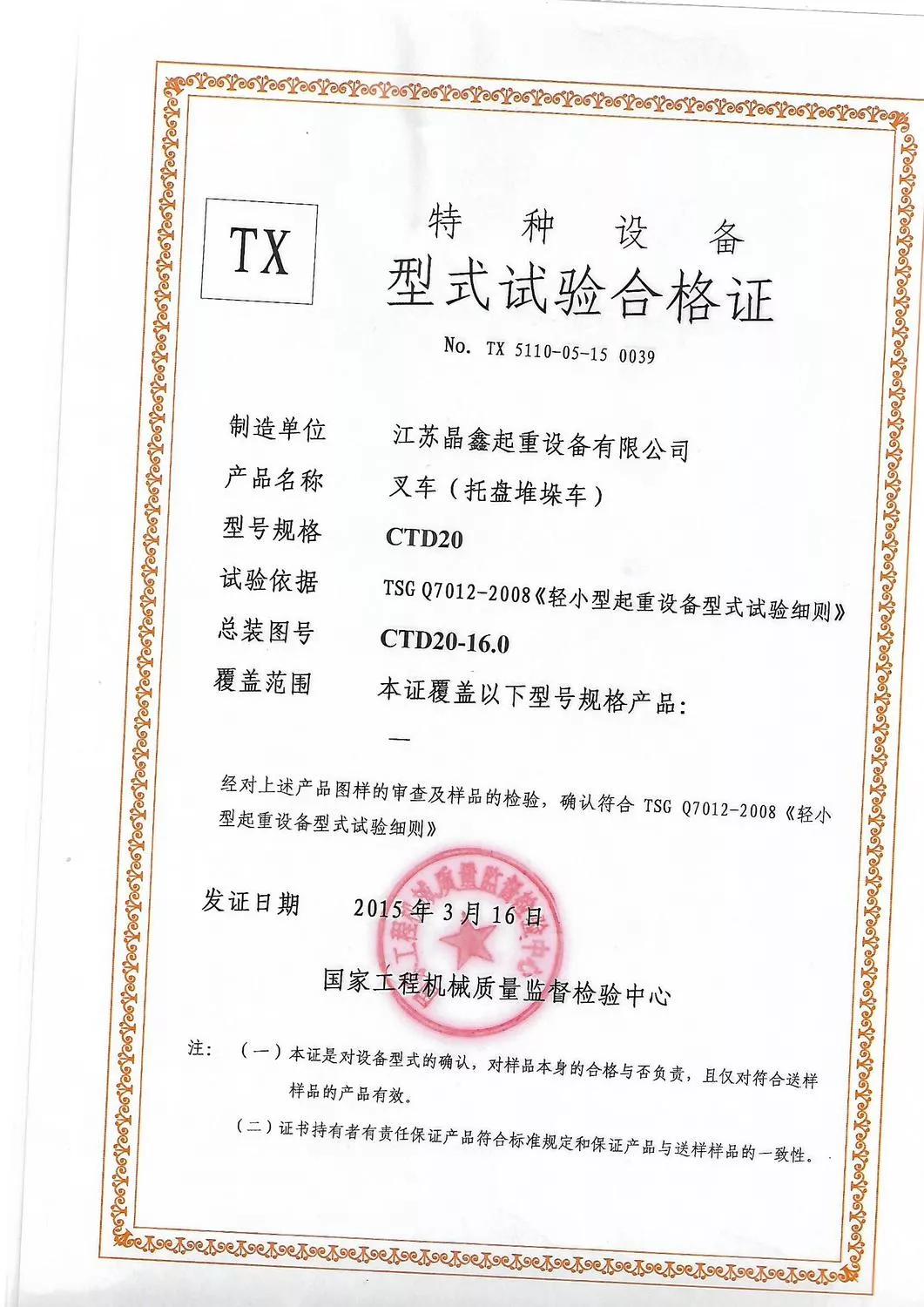 10Certificate
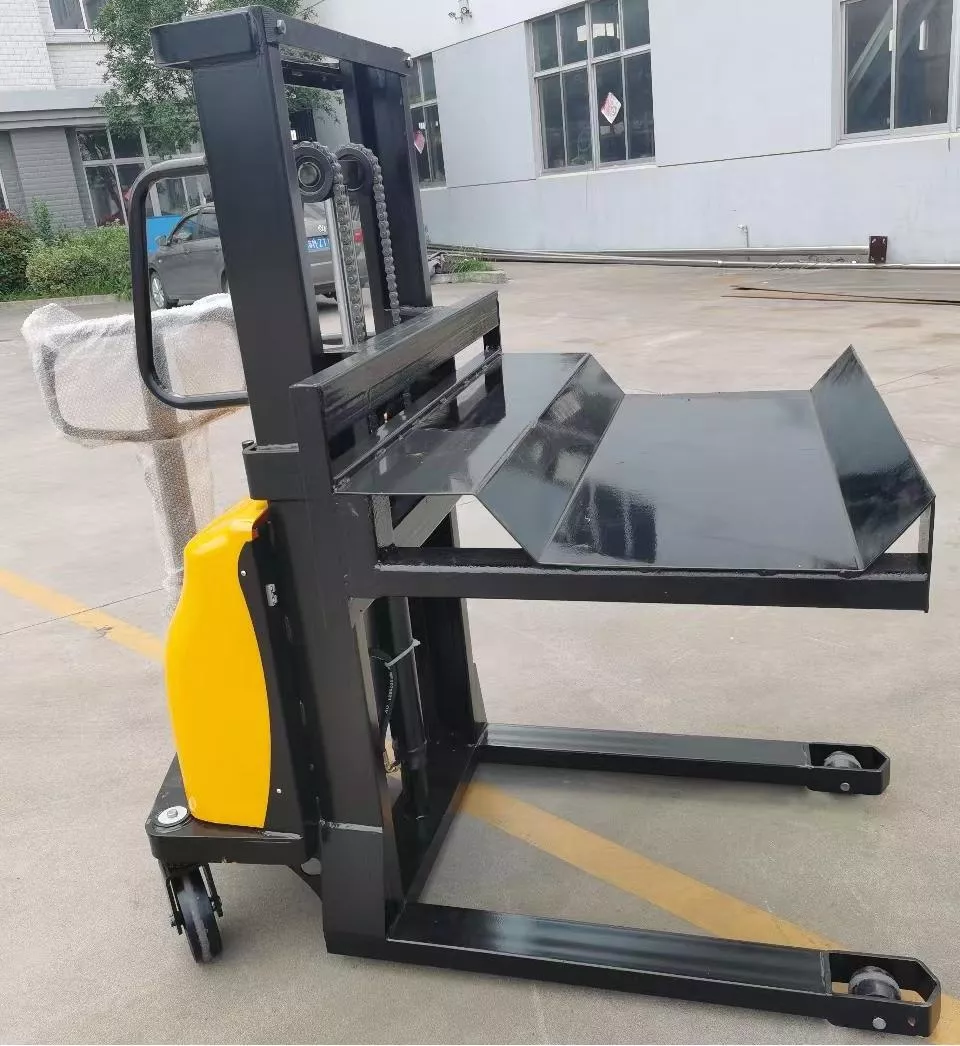 14Paper/Printing Factories
 5Stainless steel material handling equipment
- 10Custom case
- 21Company's View
- 10Certificate
- 14Paper/Printing Factories



