With the rapid development of the modern logistics industry, electric stackers have become essential equipment for enterprise warehousing and material handling due to their excellent performance characteristics. They are widely favored for their flexibility, efficiency, and ease of operation. This article will provide a detailed introduction to the performance features, application scenarios, and contributions of electric stackers to enterprise operations.
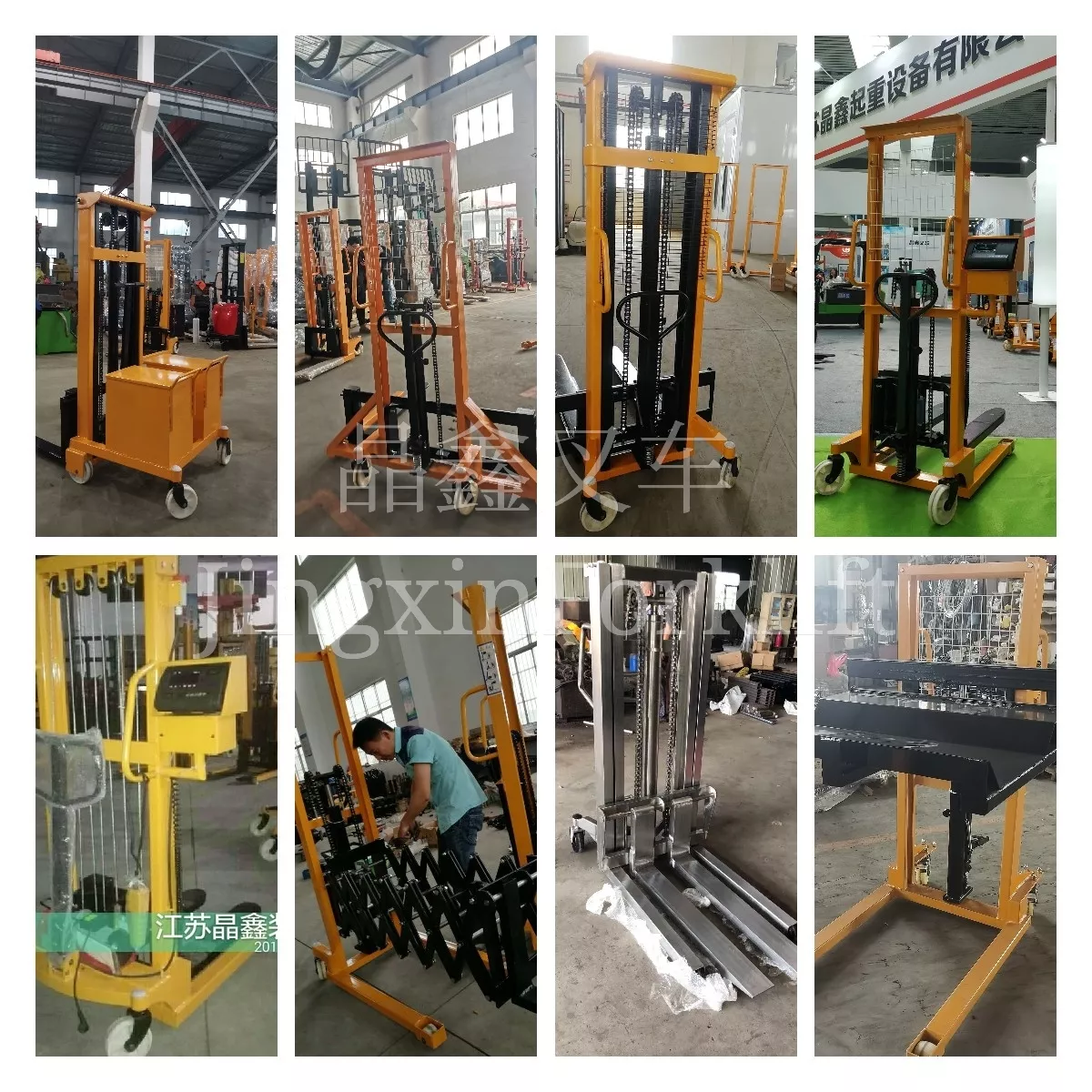
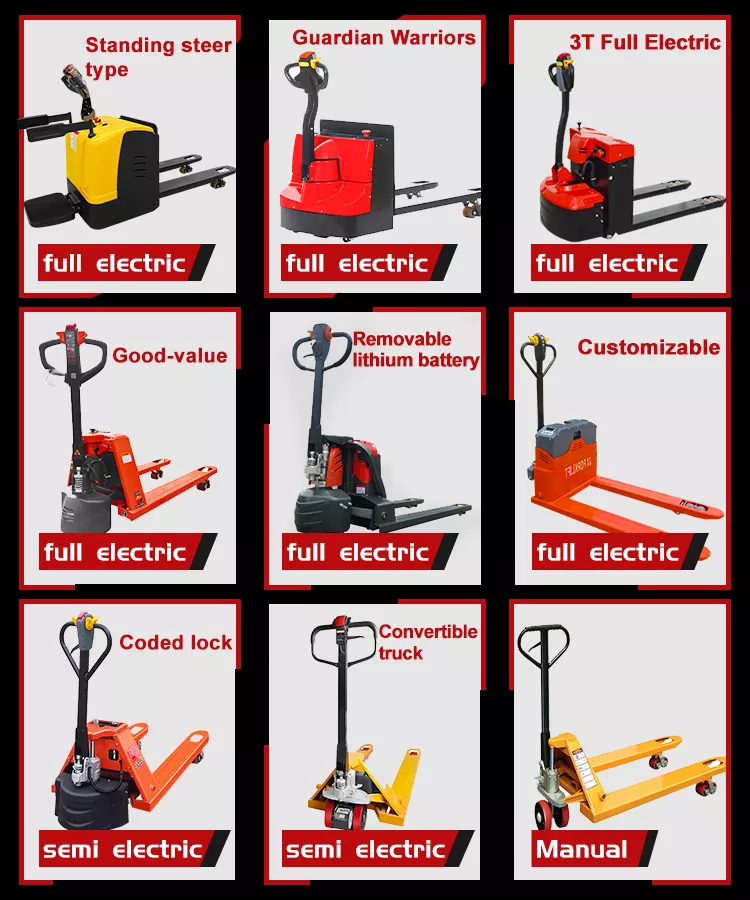
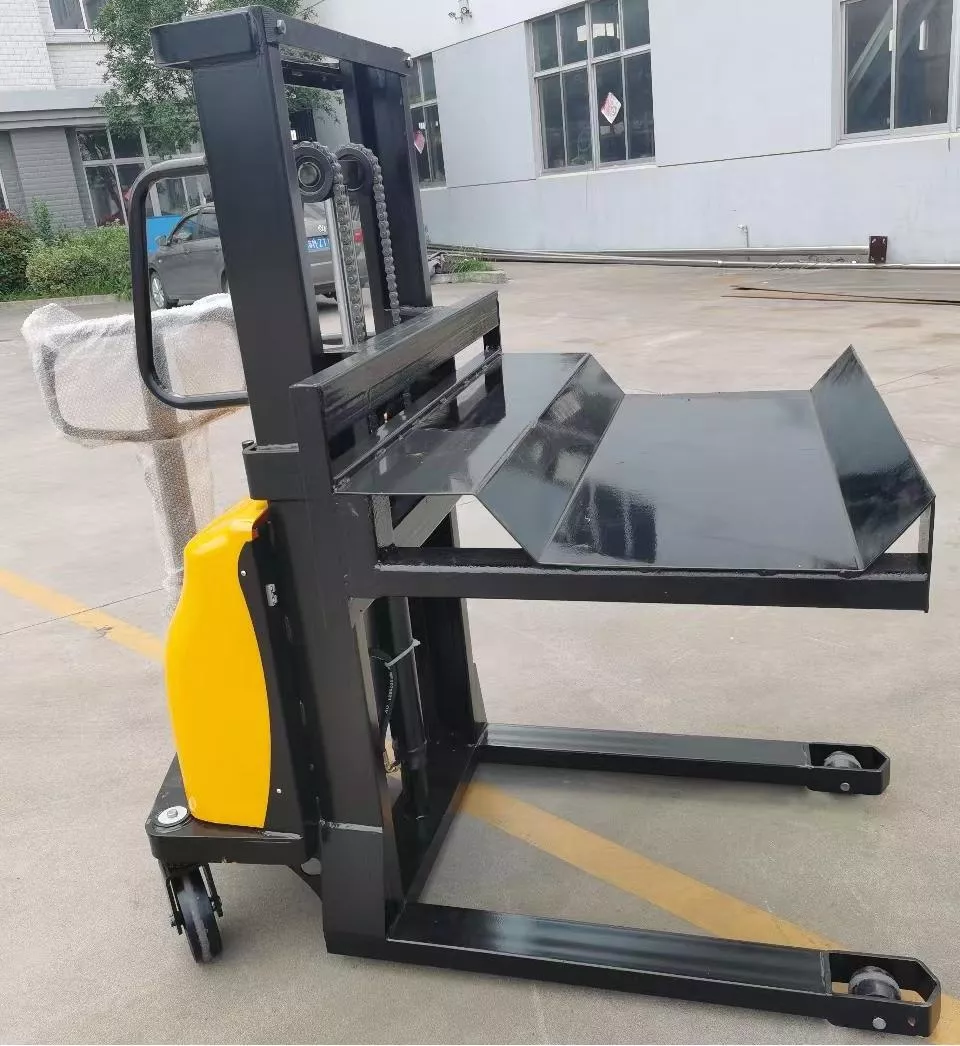
An electric stacker is a piece of equipment specifically designed for handling and stacking goods, mainly composed of an electric system, a hydraulic system, and a control system. Compared with traditional
manual stackers, electric stackers not only reduce the labor intensity of operators but also improve work efficiency, making them particularly suitable for warehousing or loading/unloading sites with high height requirements. Thanks to their electric drive and hydraulic lifting functions, electric stackers can easily operate flexibly in narrow spaces and efficiently stack heavy objects to the required height.
Electric stackers are usually equipped with high-efficiency motors and advanced battery packs, ensuring strong power output. The progress in modern battery technology allows electric stackers to work for a long time without frequent charging. This efficient drive system can significantly shorten the time for material handling and improve overall work efficiency.
Many electric stackers are equipped with intelligent control systems that can monitor the operating status of the equipment in real-time and automatically adjust the operation mode. The intelligent control system helps operators control the driving speed, horizontal direction, and lifting height more accurately, greatly reducing the risk of operational errors. Some high-end equipment even integrates remote monitoring and fault self-diagnosis functions, which greatly enhance the safety and reliability of the equipment.
The hydraulic system is a core component of electric stackers. A high-quality hydraulic system can provide more stable and rapid lifting operations. At the same time, it can automatically adjust the lifting speed according to the weight of the load, avoiding equipment failures caused by overloading. An efficient hydraulic system not only improves work efficiency but also extends the service life of the equipment.
The design of electric stackers fully considers stability. The chassis design and center of gravity layout are carefully calculated, enabling the equipment to maintain balance during high-altitude operations. More advanced models are equipped with anti-roll systems and anti-slip tires, which can effectively prevent overturning caused by high loads, ensuring the safety of operators and goods.
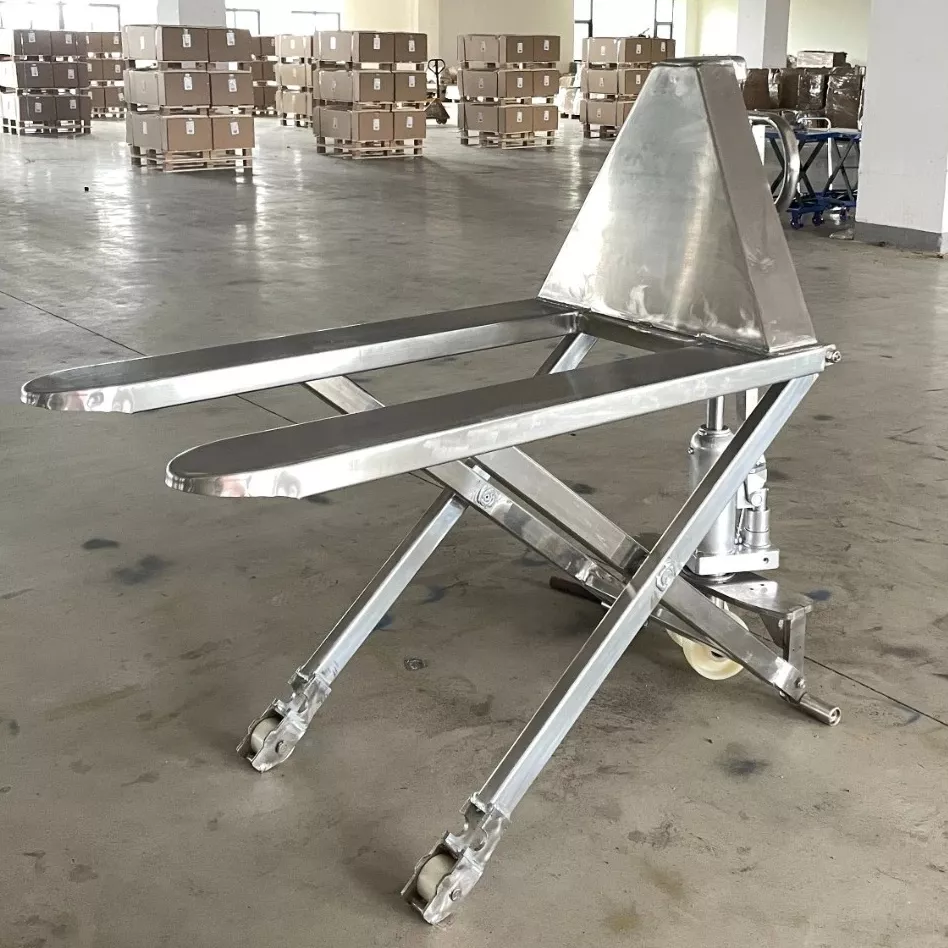
The steering system of electric stackers is designed considering the operational needs in complex environments. Their compact body and flexible steering angle allow the equipment to move freely in narrow passages and small spaces. In addition, many electric stackers are equipped with adjustable fork arms, which can adapt to different types and sizes of goods, improving the flexibility of handling.
In today's era of increasing environmental awareness, electric stackers, as pollution-free electric equipment, are obviously an ideal choice for enterprises to practice green development. Their electric drive system not only significantly reduces noise pollution but also reduces carbon emissions. Many electric stackers also adopt energy-saving technologies, which can achieve lower energy consumption while ensuring performance, thereby reducing the operating costs of enterprises.
The design of electric stackers focuses on maintainability, simplifying the maintenance process. The motor, hydraulic system, and battery pack all adopt modular designs, facilitating technicians to inspect and replace them. In addition, some electric stackers have self-diagnosis functions, which can promptly remind operators to perform maintenance, further reducing the probability of failures and extending the equipment's service life.
The superior performance of electric stackers makes them widely used in many industries, including but not limited to:
In modern warehousing centers, electric stackers can quickly and efficiently handle and stack items, improve the efficiency of goods management, and ensure the smooth flow of goods.
On production lines, electric stackers effectively connect various production links, optimize material flow, reduce manual operations, and improve overall production efficiency.
Electric stackers can help supermarkets or retail stores quickly replenish goods and organize commodities, enhancing customer experience and shopping convenience.
On construction sites, electric stackers can be used to transport construction materials, reducing the burden on workers and improving work safety.
When choosing an electric stacker, enterprises need to consider the following aspects:
With its many superior performance characteristics, electric stackers are changing the traditional logistics handling mode and becoming a key tool for enterprises to improve efficiency and safety. Their flexibility, intelligence, and environmental protection adapt to the pursuit of efficient operations by modern enterprises. While investing in electric stackers, enterprises should also consider reasonable selection and daily maintenance to maximize the value and benefits of the equipment.
By understanding the various performance characteristics and application fields of electric stackers, enterprises can make better use of this equipment, improve overall logistics efficiency, and lay a solid foundation for the sustainable development of the enterprise.


 10Custom case
 21Company's View
 10Certificate
 14Paper/Printing Factories
 5Stainless steel material handling equipment



