In modern industrial and construction fields, counterweight elevating vehicles have become indispensable equipment due to their excellent lifting capacity and stability. However, despite their ability to work flexibly in various environments, the maintenance of stable loading and key points for elevation are often overlooked. This article will delve into how to correctly use and maintain counterweight elevating vehicles to ensure their efficient operation under complex working conditions.
The key to the design of counterweight elevating vehicles lies in their counterweight system. By installing counterweights at the bottom or rear of the elevating vehicle, the center of gravity of the vehicle body can be effectively raised, enhancing its stability under heavy load conditions. This system can not only support high-altitude operations of large equipment but also maintain safety in different terrains and environments. Its climbing ability and turning stability are also significantly improved as a result.
Typically, the working principle of a counterweight elevating vehicle is that a large electric or hydraulic engine drives the lifting mechanism, and the load is evenly distributed on the vehicle body through a balance arm, minimizing the risk of tipping or rolling over due to unstable center of gravity. In addition, the counterweight design can effectively reduce vibrations during driving, ensuring the safety of operators.
When using counterweight elevating vehicles, ensuring safety and efficiency is the top priority. Here are some key points:
Before operating a counterweight elevating vehicle, its maximum load capacity must be clearly defined. Overloading will not only damage the equipment but also lead to accidents. The operation manual usually lists the load capacity of the equipment, which operators must follow and continuously confirm the load situation in actual work.
When loading items, heavy objects should be reasonably distributed to ensure that the center of gravity is at the center of the vehicle body. If the center of gravity shifts, it may cause the elevating vehicle to tip over or be damaged. In addition, avoiding placing heavy items on the edge of the vehicle body can increase stability.
A comprehensive inspection of the work environment should be conducted before use. This includes checking whether the ground is flat and dry, whether there are obstacles around, and ensuring that there are no pedestrians or other equipment affecting the operation. In cases of unstable ground or strong winds, consideration should be given to suspending the work.
Operators should be given special training to ensure they understand each function of the equipment, including the use of the control panel, the method of emergency shutdown, and the adjustment of the load center of gravity. Regular training not only improves the operators' skills but also reduces the probability of accidents.
To keep counterweight elevating vehicles in optimal condition, regular maintenance is crucial. Here are some best practices for maintenance:
After operation, regular inspections of the hydraulic system, control system, motor operation status, etc., are required. Check whether the hydraulic oil reaches the standard level and whether the connecting pipelines have leaks. Ensure that all electrical components work normally to avoid short circuits or other electrical faults.
Keeping the counterweight elevating vehicle clean will help extend its service life. Regularly remove dust and oil stains from the equipment surface, especially around the hydraulic system and electrical components, to prevent the accumulation of contaminants from affecting normal operation.
Check the wear condition of the tires and maintain proper air pressure to ensure good grip and driving safety. At the same time, the lubrication maintenance of the chassis cannot be ignored to ensure that all moving parts can operate smoothly and reduce wear.
Establish maintenance records for the equipment, including the date, content, and implementer of each maintenance. Regular records can help managers detect potential problems in a timely manner and ensure that the equipment works in optimal condition.
Even with good use and maintenance, counterweight elevating vehicles may face emergencies. Here are some response measures:
If an abnormal situation is found during operation, the emergency stop button should be pressed immediately. At the same time, remain calm, avoid panic, and conduct an inspection after ensuring safety.
After a failure occurs, the equipment should be inspected in a timely manner to confirm the extent of damage. If necessary, call professional maintenance personnel for evaluation.
Detailed records of unexpected events should be made and a safety report submitted to the management. This is crucial for analyzing the cause of the incident and improving future safety work.
Counterweight elevating vehicles play an irreplaceable role in industrial environments, but the details of their operation and maintenance are often overlooked. Through reasonable load distribution, regular equipment inspections, and comprehensive operation training, the stability and safety of the vehicles can be maximized. At the same time, implementing effective maintenance strategies will extend their service life and ensure efficient and safe operation.
In future development, the technology of counterweight elevating vehicles will continue to be updated, improving their performance in various working environments. As operators and managers, we need to remain sensitive to the latest technologies and maintenance methods to ensure that counterweight elevating vehicles can continue to provide stable and safe services in the ever-changing working environment.


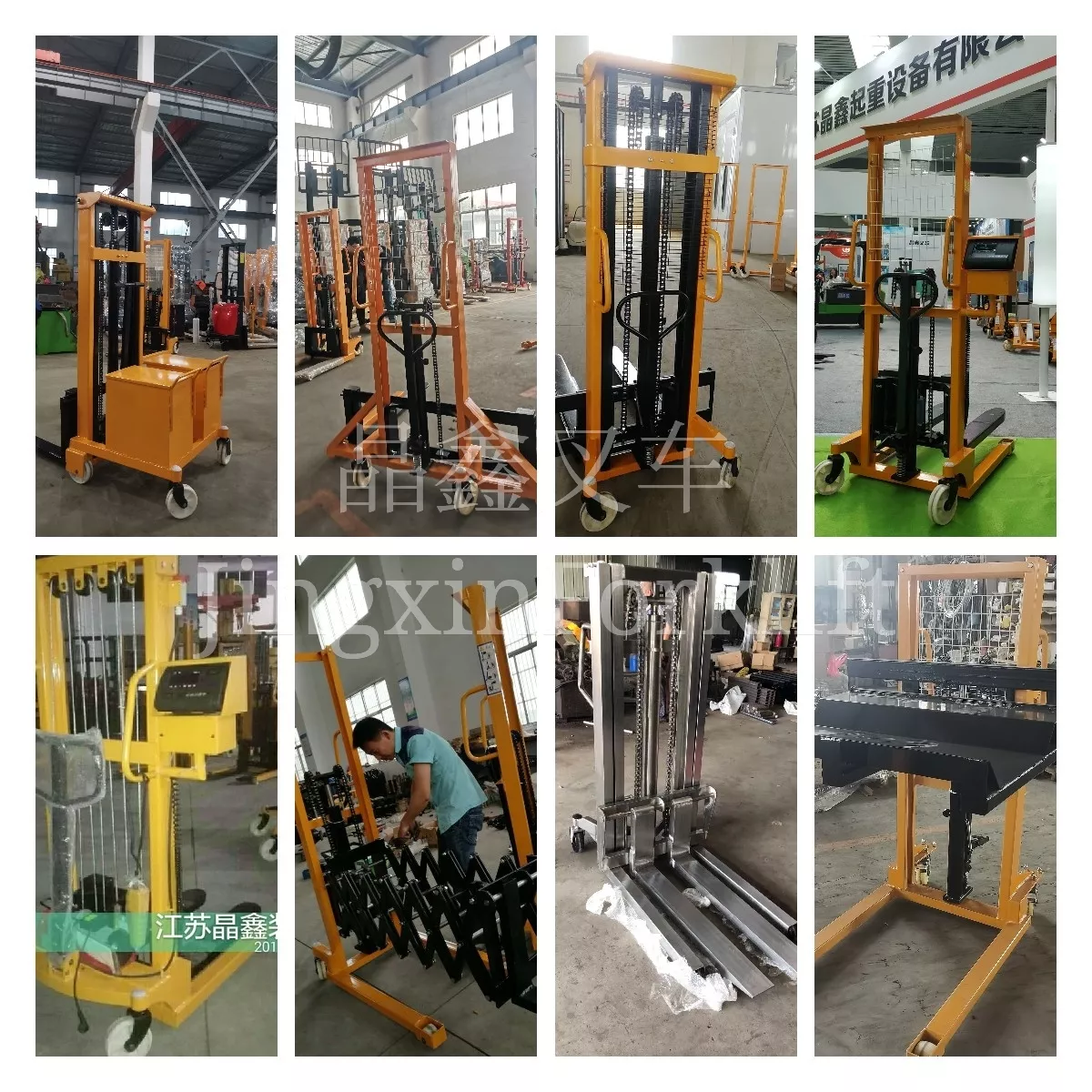 10Custom case
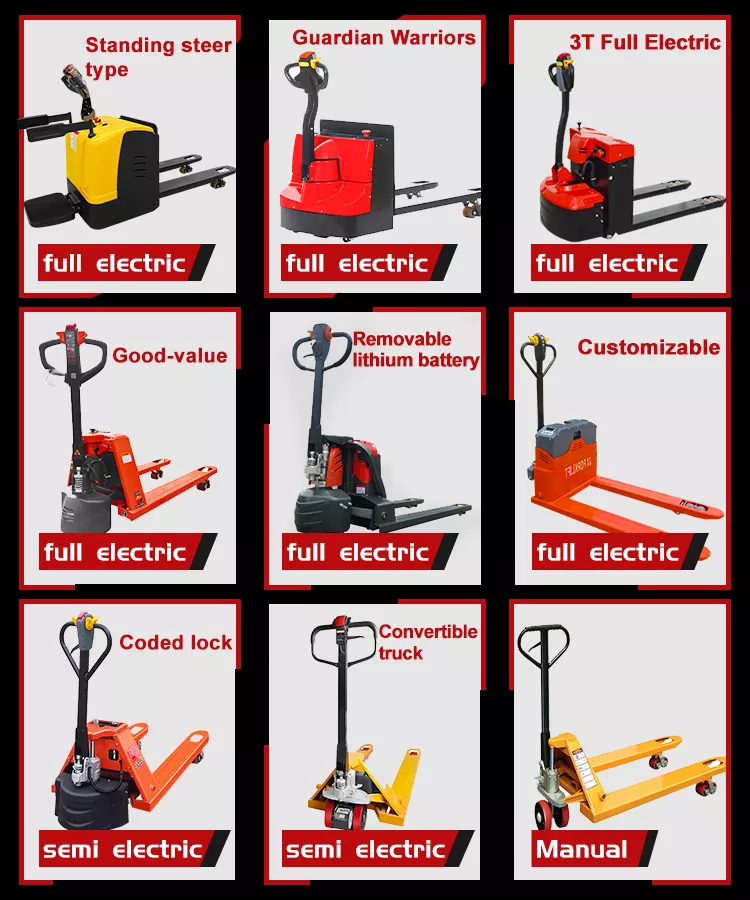 21Company's View
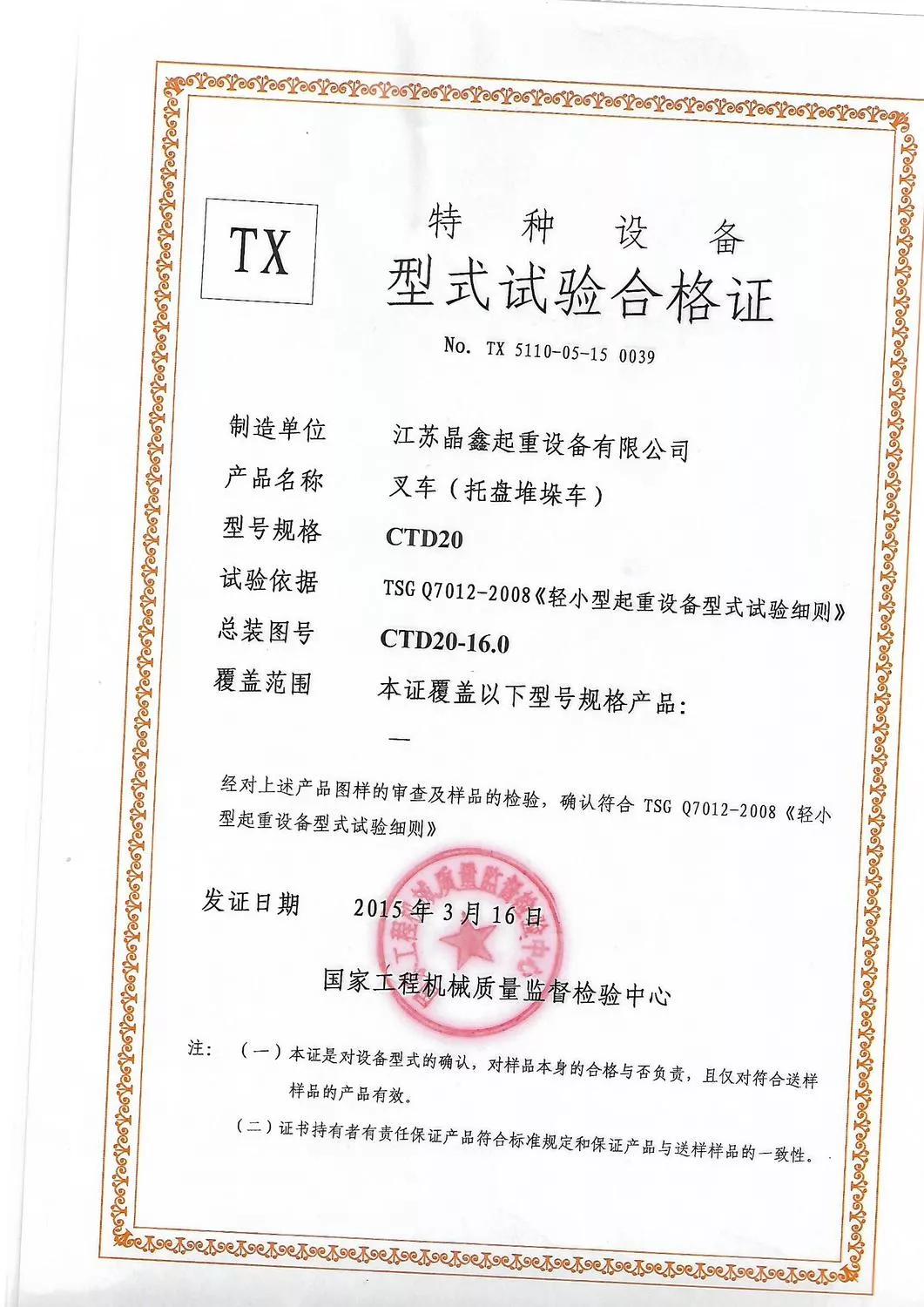 10Certificate
 14Paper/Printing Factories
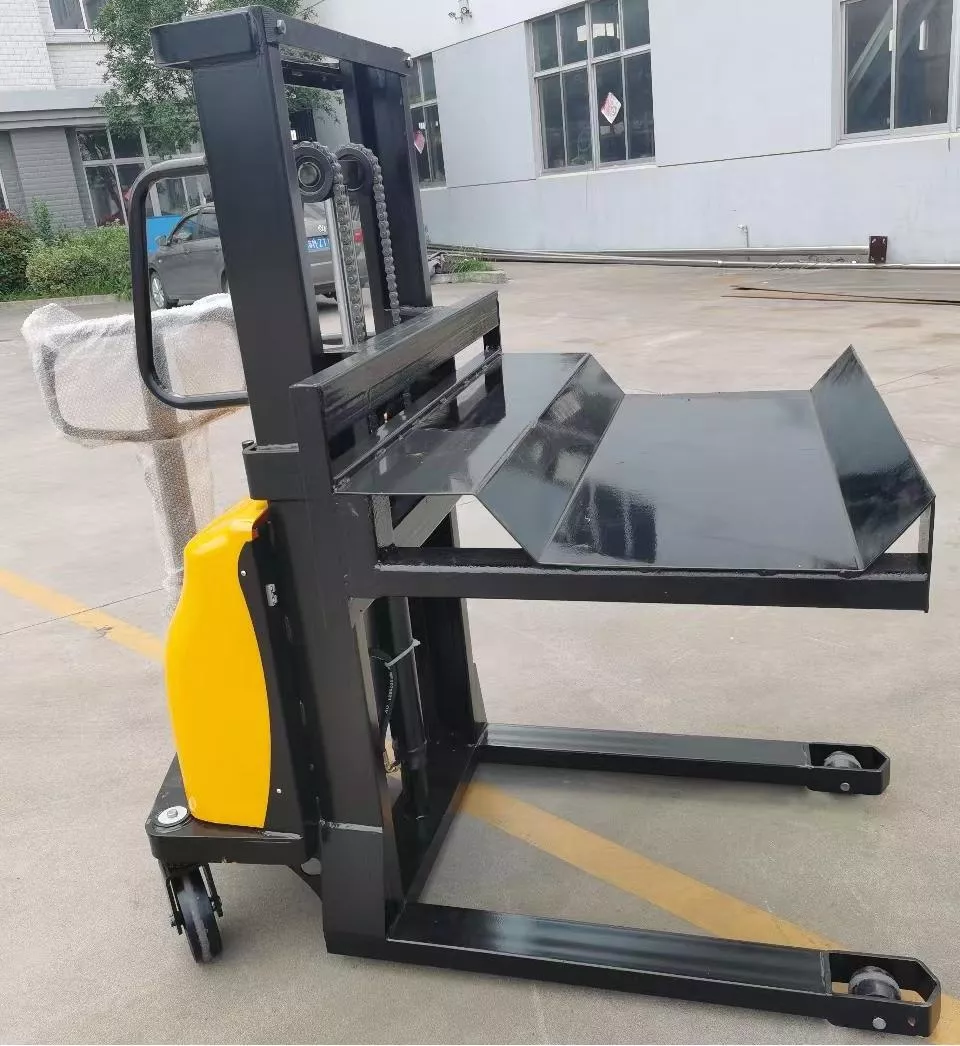
 5Stainless steel material handling equipment



