In today's fast-paced industrial environment, improving work efficiency and reducing operating costs are goals pursued by every enterprise. As an emerging material handling equipment, semi-electric stackers are gradually becoming a popular choice in the market due to their unique energy-saving advantages and excellent load balance performance. So, how do semi-electric stackers play a role in meeting users' needs for energy efficiency and load balance? This article will provide a detailed analysis for you.
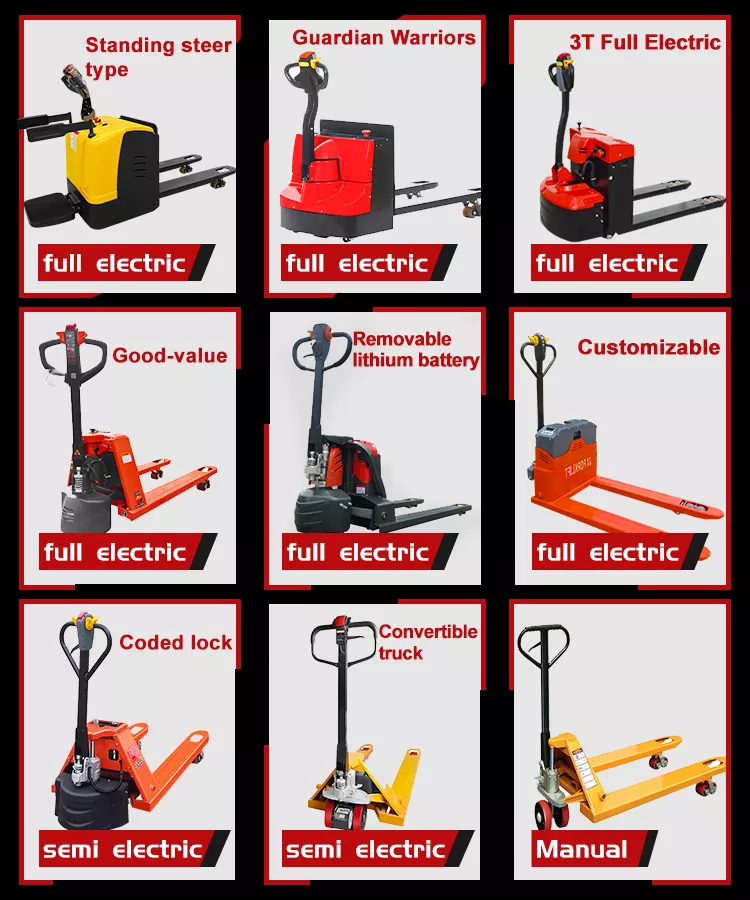
A semi-electric stacker is a kind of equipment that combines electric and manual operations, usually used for lifting and moving materials in warehouses, factories, supermarkets and other places. Compared with traditional manual forklifts, semi-electric stackers not only improve the efficiency of lifting, but also reduce the burden of manual operation. According to different designs and application scenarios, semi-electric stackers can be divided into various types, including:
Semi-electric lifting forklifts: Suitable for handling and lifting heavy objects, which can effectively reduce the labor intensity of workers.
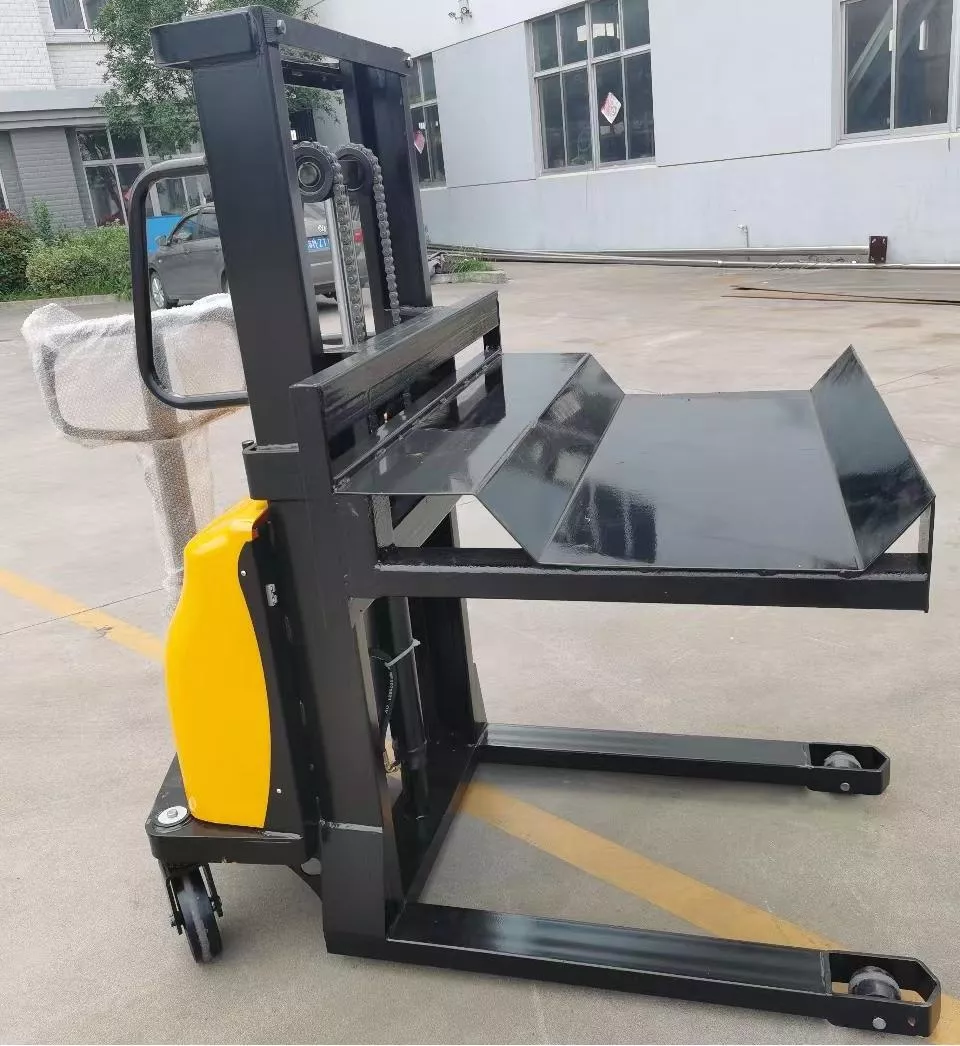
Electric stackers: Equipped with batteries, they have a self-sufficient power system, making them more flexible and convenient.
Electric pallet trucks: Specifically designed for handling pallets, suitable for operation in narrow spaces.
Each type of semi-electric stacker has its specific application scenarios and user needs, so enterprises need to evaluate according to their own actual situation when choosing.
Semi-electric stackers combine the advantages of electric and manual operations. When performing lifting operations, they can rely on the electric power system to improve efficiency. In situations where frequent lifting is not required, operators can use the manual mode, which can effectively save power consumption. Through a relatively scientific energy management system, the total energy consumption of the equipment is greatly reduced.
The advanced electric system enables semi-electric stackers to have strong endurance capacity. By adopting efficient battery management technology, the state of charge of the battery can be monitored in real time, ensuring the efficiency of power usage. In long-term use scenarios, the electric system can also automatically enter sleep mode to reduce standby energy consumption, thereby achieving energy-saving effects.
Modern semi-electric stackers pay more attention to environmental protection factors in their design. They use low-noise motors to reduce interference to the surrounding environment. In addition, the recycling of batteries and the wide application of recyclable materials not only reduce resource waste, but also meet the needs of sustainable development.
The design of semi-electric stackers attaches great importance to load balance to ensure the stability of the equipment when carrying heavy objects. Through a reasonable counterweight system and a low center of gravity design, it is ensured that the equipment is not easy to tip over even under extreme loads, thus ensuring the safety of operators.
Different semi-electric stackers may have differences in load capacity. Some high-end models are also equipped with adjustable load systems, allowing users to adjust the load-bearing capacity of the equipment according to specific needs. This not only improves the flexibility of operation, but also avoids potential safety hazards.
Modern semi-electric stackers are usually equipped with humanized control systems with simple and clear control interfaces, enabling even novice operators to get started quickly. Some high-end models are also equipped with intelligent monitoring systems that can monitor the load situation in real time and provide overload warnings, effectively reducing the risk of accidents caused by human operation errors.
Due to their energy-saving and load balance characteristics, semi-electric stackers are suitable for material handling needs in various industries. The application of semi-electric stackers is particularly extensive in the following fields:
In the manufacturing industry, semi-electric stackers are mainly used for material handling and equipment parts distribution. Their efficient working performance has greatly improved the turnover speed of the production line, reduced labor costs, and created higher economic benefits for enterprises.
In the warehousing industry, semi-electric stackers can quickly and efficiently complete the loading and unloading of goods. Through their flexible operation, they can carry out efficient material handling in narrow passages, which greatly improves the utilization rate of warehouse space.
In large supermarkets and retail stores, semi-electric stackers help employees easily handle shelf replenishment work. Through their convenient operation, employees can quickly move goods from the warehouse to the shelves, improving the shopping experience of customers.
In the food and pharmaceutical industries, the requirements for material handling are extremely strict. The use of semi-electric stackers can reduce the risk of cross-contamination and ensure the safety and hygiene of goods.
With the development of the Internet of Things and artificial intelligence technologies, semi-electric stackers will move towards intelligence in the future. By equipping with intelligent sensors, the equipment will be able to independently obtain environmental information, conduct real-time data analysis and automatic adjustment, thereby further improving the safety and efficiency of operations.
The electric drive systems of future semi-electric stackers will be more efficient. The continuous progress of battery technology will make their endurance capacity stronger and charging time shorter, which can support longer continuous operations and provide more convenience for users.
With the diversification of user needs, semi-electric stackers will also develop towards personalized customization. Manufacturers will provide customized product solutions according to the different needs of users to improve user satisfaction.
To sum up, the advantages of semi-electric stackers in energy efficiency and load balance not only meet the high-efficiency needs of modern industrial production, but also bring more considerable economic benefits to enterprises. With the continuous progress and development of technology, the application prospect of semi-electric stackers will be more extensive, and they will become an important role in the field of material handling in the future.


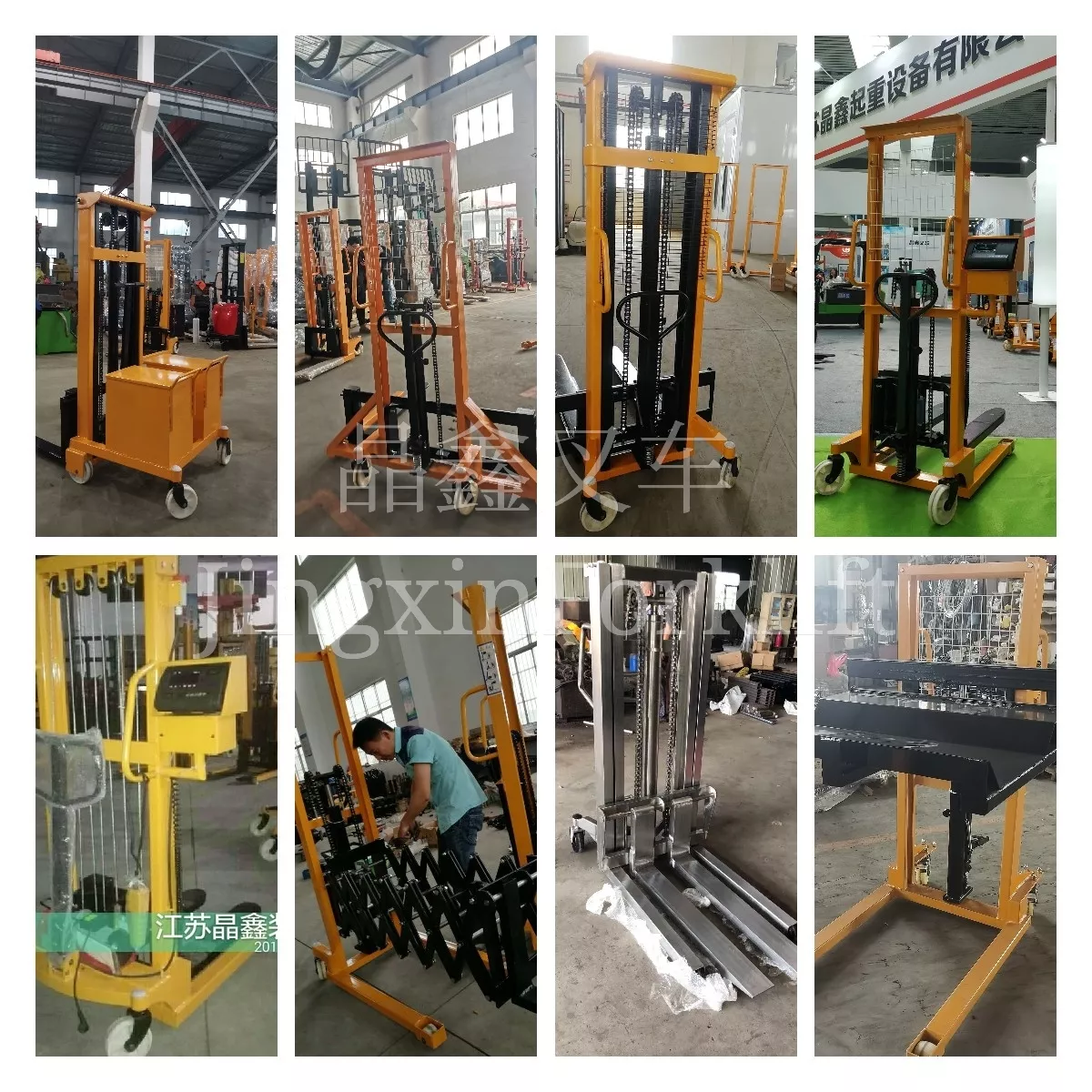 10Custom case
 21Company's View
 10Certificate
 14Paper/Printing Factories
 5Stainless steel material handling equipment



