Against the backdrop of the rapid development of the modern logistics industry, on-board forklifts, as a convenient and efficient handling equipment, have gradually become a new favorite in the market. They not only significantly improve the efficiency of logistics operations but also help enterprises save labor and time costs. With the vigorous development of e-commerce and the acceleration of global trade, the market demand for on-board forklifts has surged. This article comprehensively analyzes the market prospects of on-board forklifts, as well as their importance and applications in the logistics industry.
An on-board forklift is a type of forklift that integrates transportation and loading/unloading. It can be carried along with the vehicle and quickly complete cargo loading and unloading operations at the destination. Compared with traditional forklifts, on-board forklifts feature higher flexibility and operability, making them particularly suitable for cargo distribution in urban and densely populated areas. Meanwhile, their smaller size allows them to operate in narrow spaces, meeting the requirements of modern logistics for equipment efficiency and convenience.
With the booming development of the e-commerce industry, the demand for fast and efficient logistics solutions has been continuously increasing. Consumers expect to receive purchased products within a short period, requiring the logistics industry to respond quickly to meet short-term delivery needs. On-board forklifts, as tools for rapid loading and unloading, precisely cater to this market demand.
The acceleration of urbanization and continuous population growth have made urban distribution a major challenge. Thanks to their flexibility and efficiency, on-board forklifts can effectively alleviate the difficulties in urban distribution, greatly contributing to improving logistics operation efficiency.
With national support for the transformation and upgrading of traditional industries, many traditional manufacturing and retail enterprises have begun to prioritize improving logistics efficiency. With their superior operational characteristics, on-board forklifts have become the preferred equipment for many enterprises to innovate in logistics processes.
On-board forklifts can quickly load and unload at any stage of transportation, reducing time waste caused by cargo handling. Compared with traditional manual handling or the use of large forklifts, the application of on-board forklifts can significantly enhance the overall efficiency of logistics operations.
In the context of 逐年上升 (increasing year by year) labor costs, the use of on-board forklifts effectively reduces enterprises' dependence on manpower. By reasonably configuring forklifts and operation processes, production efficiency can be maximized.
On-board forklifts can be widely applied in various logistics scenarios, including urban distribution, warehouse management, construction site handling, etc. Their strong adaptability meets diversified market demands.
On-board forklifts typically use electric drive, which not only reduces carbon emissions but also minimizes noise pollution, conforming to the current development trend of green logistics.
Despite the broad market prospects, on-board forklifts still face many challenges, such as inconsistent technical standards and intensified market competition.
The technical standards for on-board forklifts have not been fully unified, leading to differences in compatibility and operability among forklifts of different brands and models. To address this, the industry needs to strengthen the formulation and implementation of relevant technical standards to promote equipment interoperability.
As more participants enter the on-board forklift market, competition among enterprises has become increasingly fierce. Enterprises need to continuously enhance their technical strength and user experience to stand out in the intense market.
Although the operation of on-board forklifts is relatively simple, professional training is still required to ensure the safety and efficiency of operators. Enterprises should increase investment in training to improve employees' operational skills and safety awareness.
With the continuous development of the logistics industry, the market potential of on-board forklifts will be further unleashed. According to forecasts by market research institutions, the demand for on-board forklifts is expected to grow at a rate of over 20% annually in the next few years. In addition, with continuous technological progress, the functions of on-board forklifts will be more perfected, and their intelligence level will be significantly improved, making them increasingly important in the logistics industry.
In the future logistics industry, on-board forklifts will not only serve as important operational tools to help enterprises improve efficiency but also promote the intelligent and digital transformation of the entire industry. For enterprises, early deployment of on-board forklift applications will lay a solid foundation for future competition.
In summary, as the new favorite in the logistics industry, on-board forklifts not only effectively improve operational efficiency and reduce labor costs but also adapt to diversified application scenarios. Despite facing challenges, with their unique advantages and the continuous expansion of market demand, the market prospects of on-board forklifts will become increasingly broad. In the future, on-board forklifts will become an indispensable part of the logistics industry, helping enterprises succeed in fierce market competition.


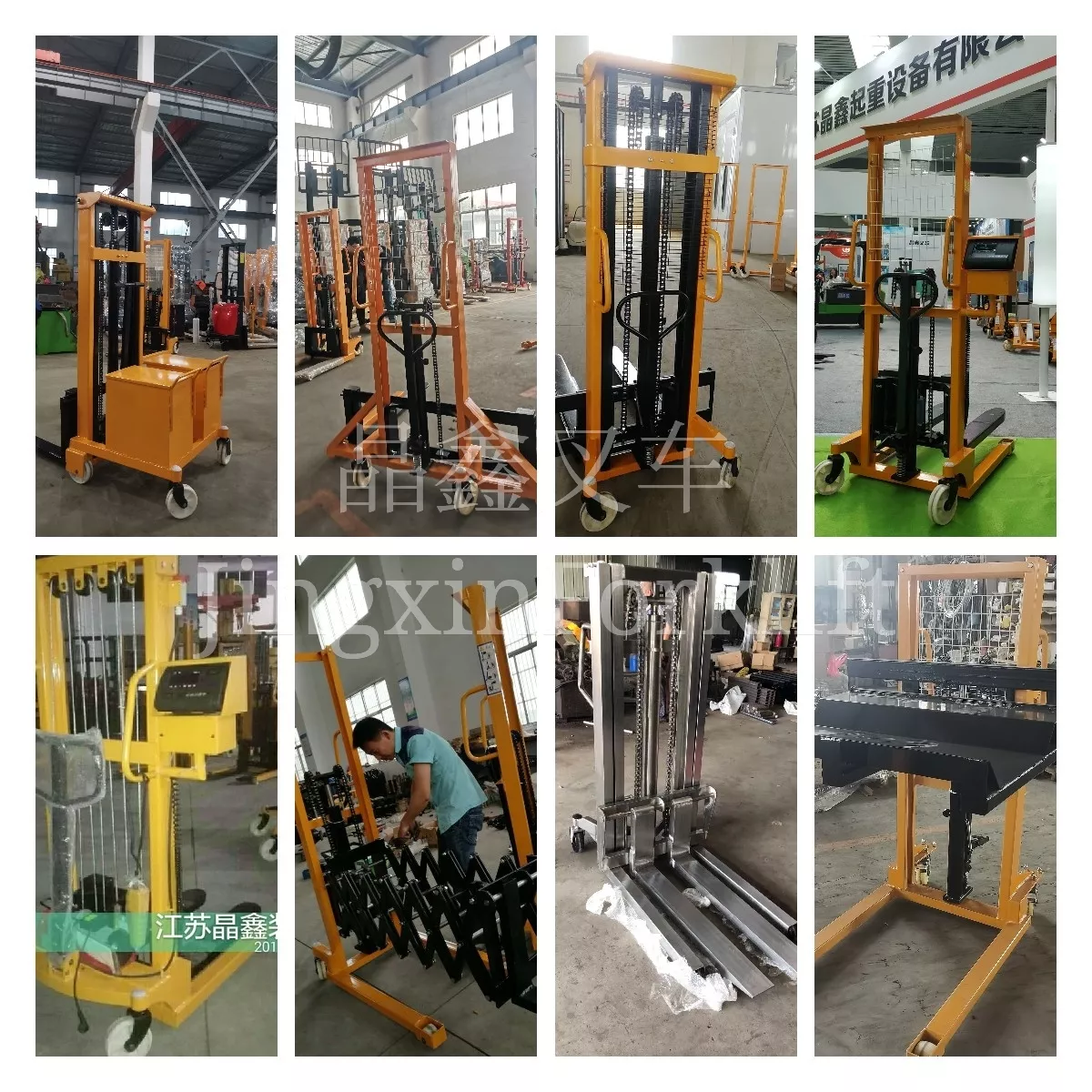 10Custom case
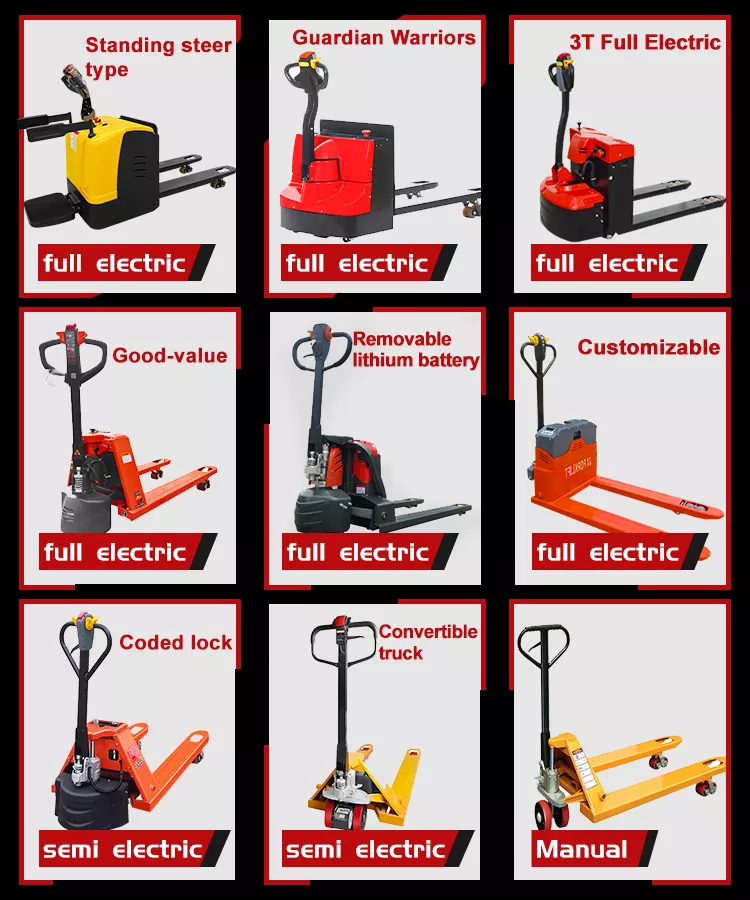 21Company's View
 10Certificate
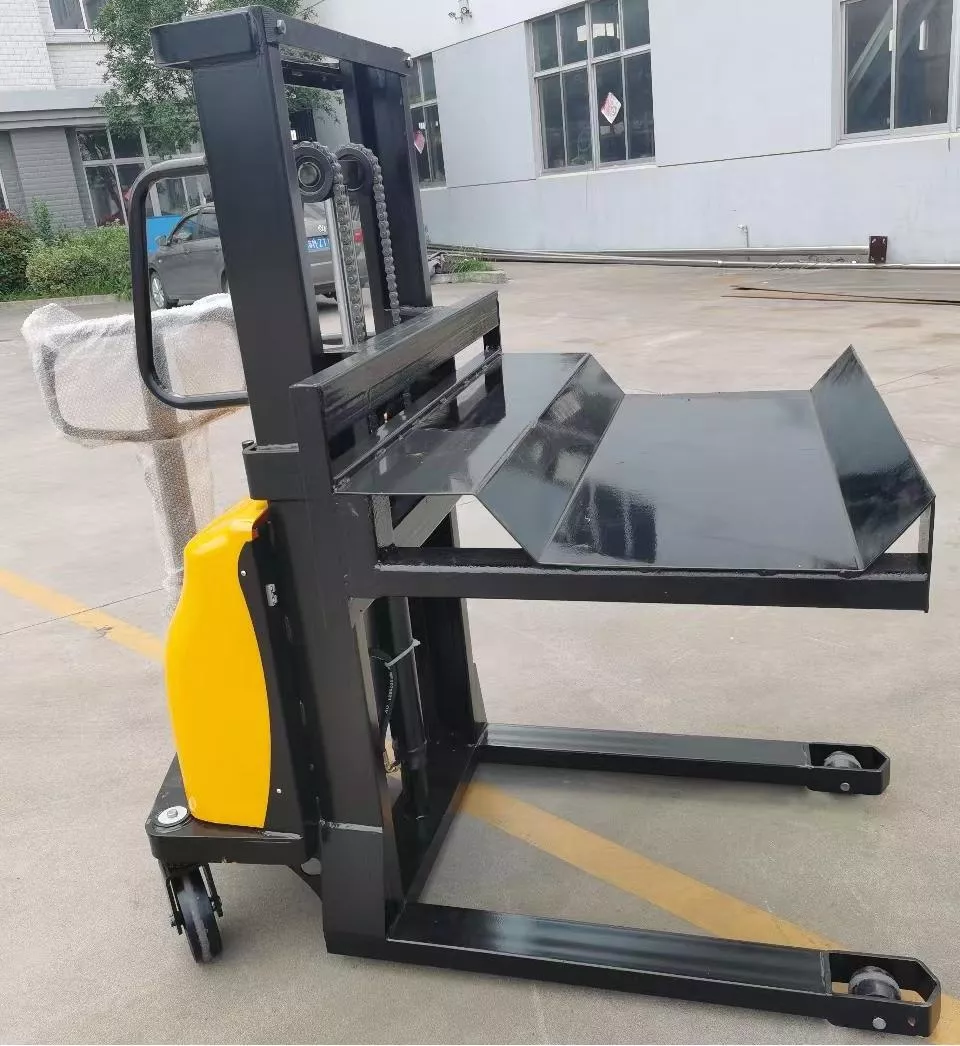 14Paper/Printing Factories
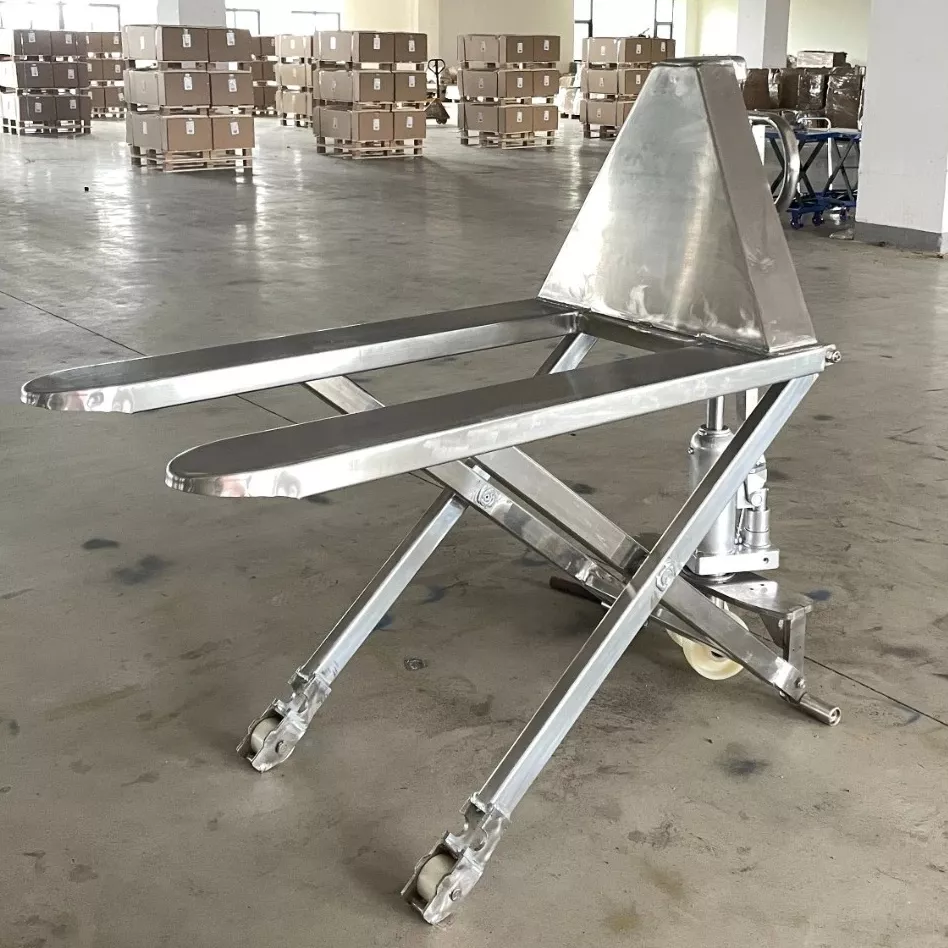 5Stainless steel material handling equipment



