In the field of industrial logistics, stackers play an indispensable role as key material handling tools. For many enterprises, selecting the right stacker is particularly crucial, especially when operating under a tight budget. Manual stackers and electric stackers each have their advantages and disadvantages. This article will analyze the differences between the two in detail, helping you make the wisest choice within a limited budget from multiple perspectives.
1.1.1
Low CostThe most significant advantage of
manual stackers is their low purchase cost. Compared with electric stackers, manual stackers are generally cheaper, saving substantial funds for budget-constrained enterprises. Additionally, manual stackers have relatively low maintenance costs, reducing the financial burden of daily operations.
1.1.2 Simple Structure and Easy Operation
Manual stackers adopt simple mechanical principles, making them relatively easy to operate. Even ordinary employees can quickly get started after simple training, reducing safety risks caused by insufficient operator experience.
1.1.3 Wide Range of Applicable Scenarios
Manual stackers are suitable for various occasions, such as warehouses, supermarkets, construction sites, etc. Whether in narrow aisles or uneven ground, manual stackers can flexibly adapt to ensure smooth material handling.
1.2.1 High Labor Intensity
Since manual stackers require operators to perform lifting and moving actions manually, they consume more physical strength. Prolonged use may lead to employee fatigue, thereby affecting work efficiency.
1.2.2 Slow Speed
The operation speed of manual stackers is relatively slower than that of electric stackers, which may become a shortcoming in scenarios requiring rapid material handling, thus affecting overall logistics efficiency.
1.2.3 Limited Lifting Height
Most manual stackers have a relatively low lifting height, typically suitable for handling smaller goods. If tall items need to be transported, the limitations of manual stackers will become evident.
2.1.1 Easy Operation, Labor-Saving, and Efficient
The greatest highlight of electric stackers lies in their efficient power system, which can easily complete the lifting and handling of heavy objects, significantly reducing the labor intensity of operators. Especially in heavy-load and long-term operations, electric stackers demonstrate their irreplaceable advantages.
2.1.2 Improved Work Efficiency
Electric stackers are fast and can quickly complete material handling, greatly enhancing the overall operational efficiency of enterprises. In environments requiring the handling of large quantities of items or frequent movements, electric stackers become the optimal choice.
2.1.3 Strong Versatility
Modern electric stackers have diverse functions and can be adjusted according to different needs, such as adding weighing systems, cargo identification systems, etc., which greatly improves the flexibility and intelligence of material management.
2.2.1 Higher Cost
The initial investment cost of electric stackers is higher, especially for high-quality ones, which may deter many budget-limited enterprises. In addition, the maintenance and repair costs of electric stackers are relatively high, requiring consideration of the long-term financial pressure.
2.2.2 Higher Environmental Requirements
Electric stackers need to be charged during use, so they have certain requirements for power supply and charging environment. In some remote areas or places lacking electricity, the use of electric stackers will be limited.
2.2.3 May Require Professional Training
Although most electric stackers are relatively simple to operate, the use of complex functions and fault handling may require specialized training, which also increases human resource costs and investment.
In practical applications, manual stackers and electric stackers each have their suitable scenarios:
Small enterprises or shops: Due to their low price and simple operation, manual stackers are ideal for small enterprises with limited budgets.
Light cargo handling: When dealing with lighter goods, manual stackers can efficiently complete tasks and occupy less space.
Short-term use occasions: For enterprises that occasionally need to handle heavy objects, manual stackers can provide effective solutions.
Large warehousing industries: When handling a large number of goods, electric stackers can significantly improve handling efficiency, thereby enhancing overall operational capabilities.
High-intensity work environments: For long-term and high-intensity material handling work, electric stackers can reduce labor intensity and maintain employees' work enthusiasm.
Multifunctional needs: In work environments requiring various operational functions, electric stackers can fully meet complex handling requirements with their flexibility and intelligence.
When operating under a limited budget, enterprises can consider the following aspects when choosing between manual and electric stackers:
4.1 Determine Actual Needs
First, enterprises need to clarify their actual needs, including factors such as the characteristics, frequency, quantity, and weight of the materials to be handled. This information will help enterprises define the required type and functions of the stacker more clearly.
4.2 Compare Total Cost of Ownership
When selecting a stacker, enterprises should not only consider the initial purchase cost but also calculate maintenance costs, operational costs, etc., during use. Although electric stackers have higher purchase costs, the labor costs saved and work efficiency improved should also be taken into account.
4.3 Long-Term Investment Planning
Enterprises should consider the long-term return on investment when making purchases. Although electric stackers have large initial investments, they will bring significant benefits to enterprises in some high-intensity work environments.
4.4 Research the Market and Brands
There are many stacker brands on the market today. Enterprises can conduct detailed research and choose brands with high reputation and good after-sales service to ensure that problems in subsequent use can be solved in a timely manner.
Under a limited budget, the choice between a manual stacker and an electric stacker should ultimately be based on actual needs, long-term costs, and market research. It is hoped that this article can provide effective reference for your choice, enabling you to maximize material handling efficiency with a suitable solution.


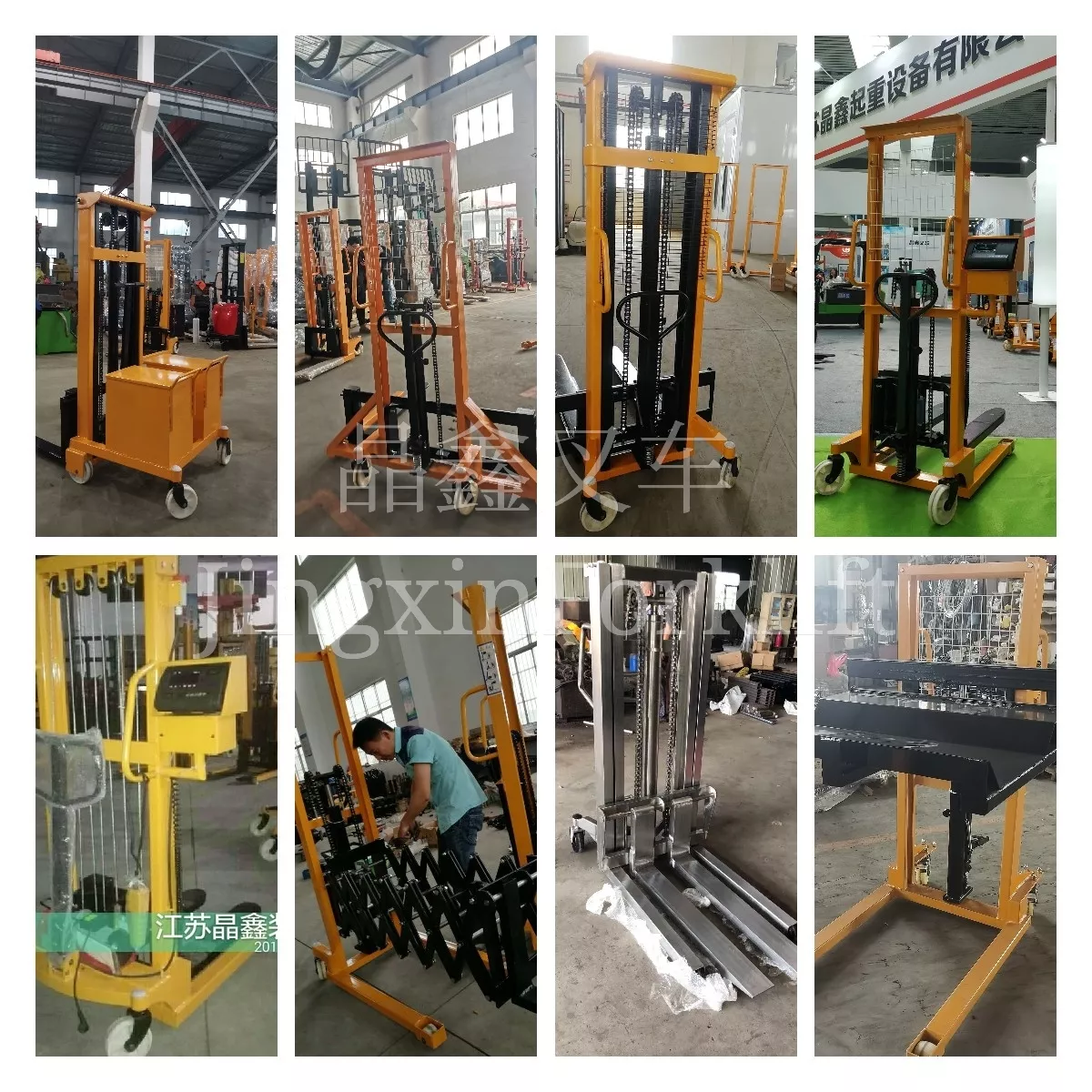 10Custom case
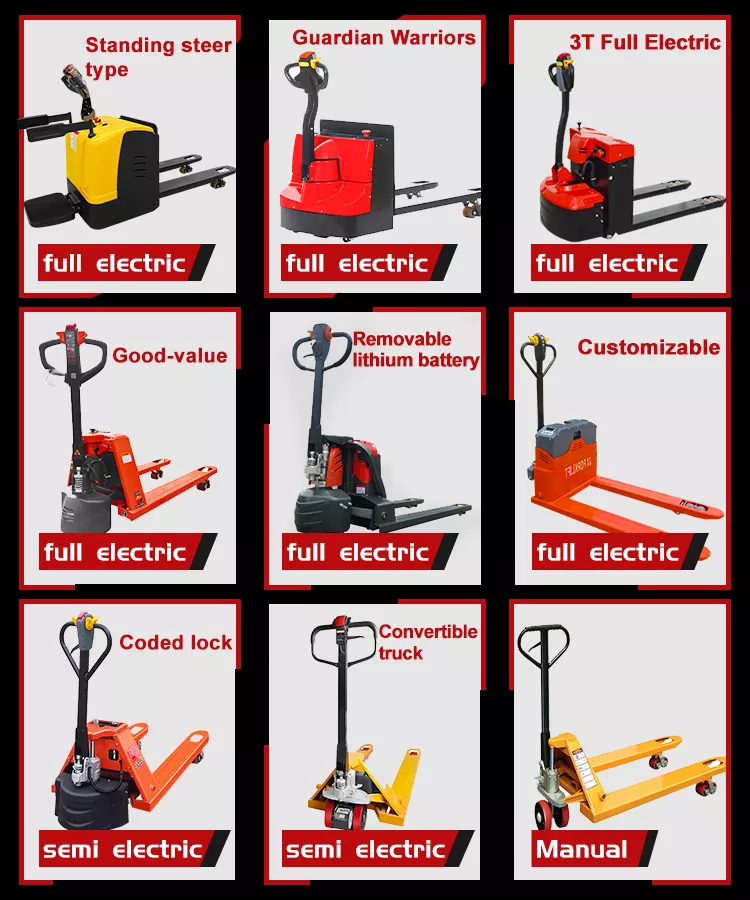 21Company's View
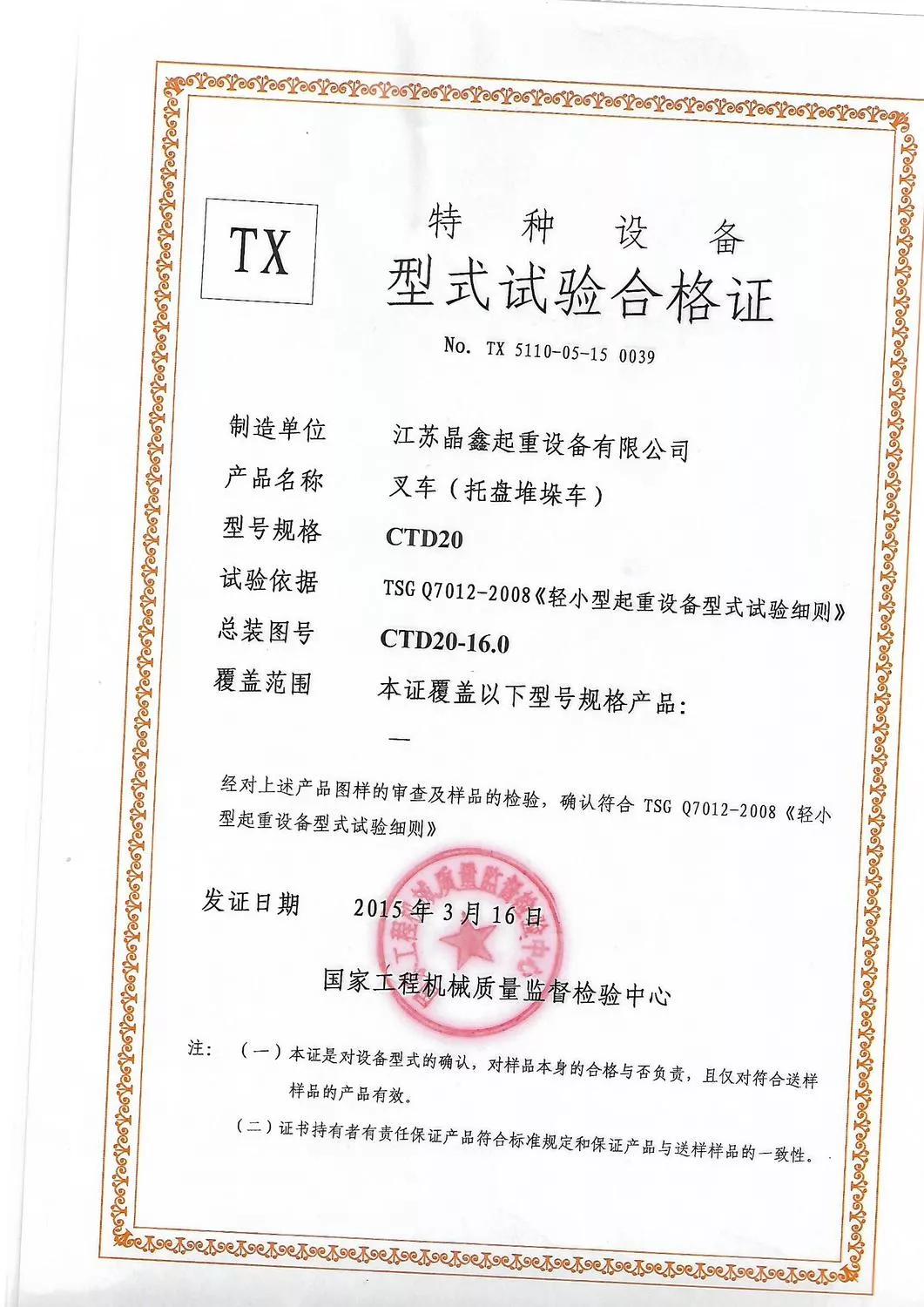 10Certificate
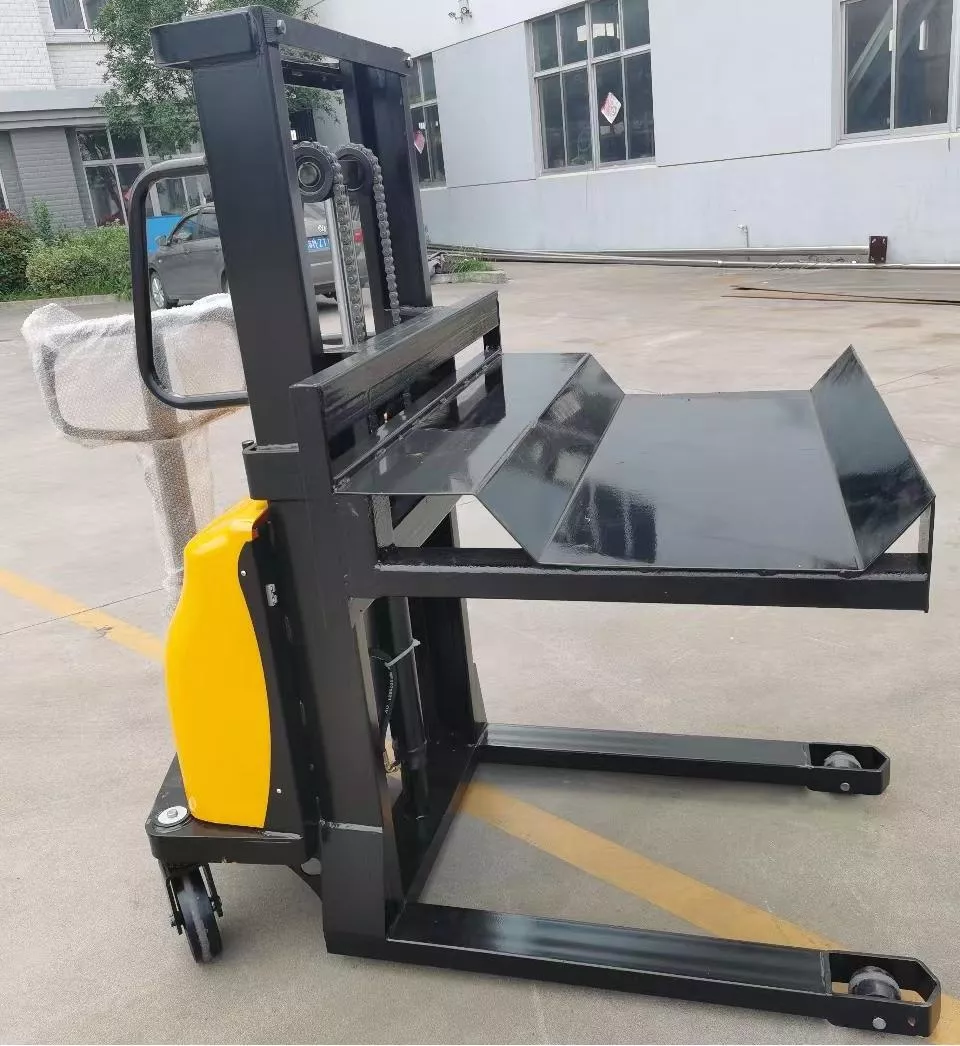 14Paper/Printing Factories
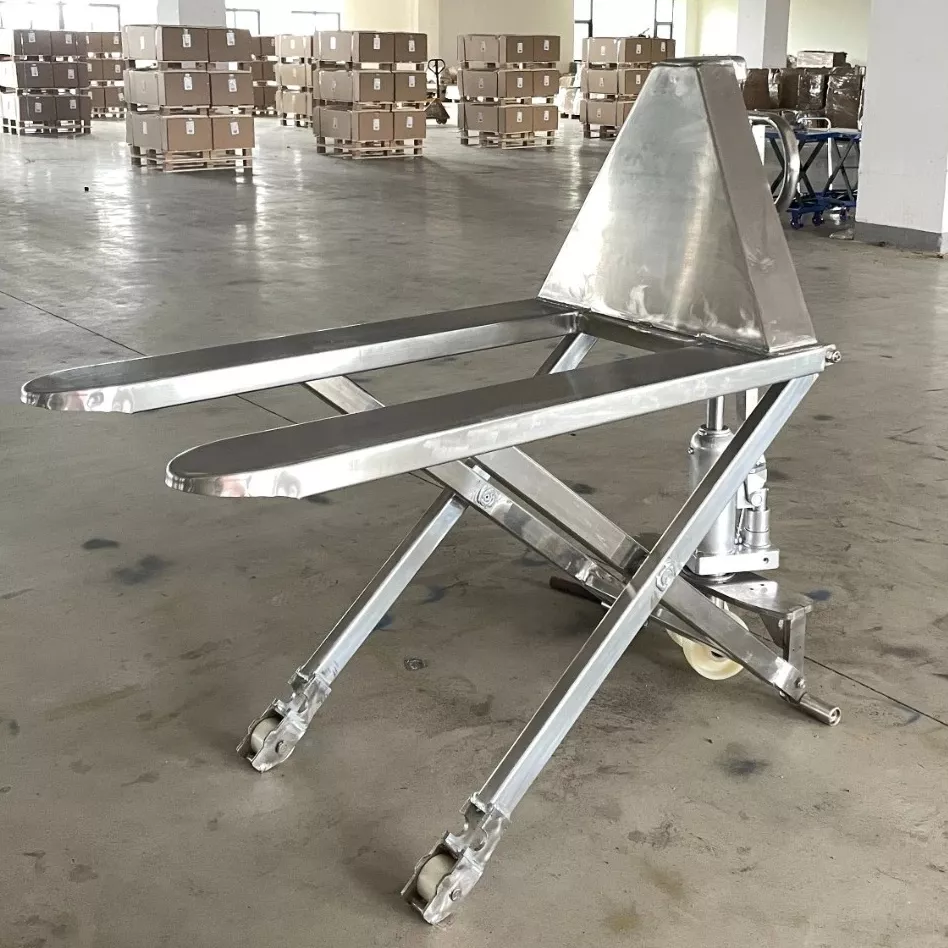 5Stainless steel material handling equipment



