In today's industrial and logistics sectors, forklifts play a vital role in efficiently handling and stacking goods, boosting work productivity. However, due to the inherent risks of forklift operations, ensuring safety is of paramount importance. This article delves into the forklift safety operation manual, including various safety details, to help operators reduce accident risks and ensure operational safety.
Before discussing safety operations, it is essential to understand the basic structure and working principles of forklifts. A forklift typically consists of the following main components:
Body: Usually a metal structure to provide stability.
Power System: Divided into electric and internal combustion engine drives; the former is suitable for indoor use, while the latter is for outdoor environments.
Forks: Capable of lifting, lowering, and tilting to handle goods.
Control Levers: Used to manage movement, lifting/lowering, and other functions.
Tires: Selected based on the characteristics of the operation site.
Understanding these components helps master forklift operation safety more effectively.
Equipment Inspection
Before operating a forklift, conduct a comprehensive check of the equipment, including:
Hydraulic System: Verify that hydraulic oil is sufficient and no leaks exist.
Brake System: Ensure brakes are sensitive and effective.
Lights and Signal Devices: Check that work lights and warning lights function properly.
Fork Condition: Confirm forks are free from wear or damage and can bear the specified weight.
Personal Protective Equipment (PPE)
Operators must wear appropriate PPE before forklift operations to ensure safety, including:
Safety helmet to prevent head injuries.
Protective shoes that are slip-resistant and wear-resistant to protect feet.
High-visibility reflective vest to enhance visibility and avoid collisions with other workers or equipment.
Familiarize with the Working Environment
Before moving, operators should familiarize themselves with the working environment, including:
Ground conditions: Understand the flatness and hardness of the site.
Obstacles: Identify surrounding obstacles to avoid collisions.
Personnel distribution: Observe if other workers are present and communicate as necessary.
Starting and Driving
When starting a forklift, follow these steps:
Ensure all personnel stay away from the forklift.
Start the machine according to the manual, avoiding sudden acceleration.
Maintain a moderate speed during driving, not exceeding the specified limit.
During driving, pay attention to:
Avoid distraction; keep focus on the front.
Slow down when turning to ensure stability.
Check for pedestrians and give warnings if necessary.
Fork Lifting and Lowering Operations
Fork operations are the most critical part of forklift tasks and require cautious handling:
Ensure the forklift is stable before lifting or lowering.
Place goods evenly on the forks to prevent unstable 重心 (center of gravity).
When lifting goods, ensure the height is moderate and does not exceed the maximum limit.
Never lift or lower forks while moving to maintain stability.
Stacking Operations
When stacking goods, adhere to these principles:
Ensure the stability and load-bearing capacity of the stacking area.
Observe the surrounding environment to ensure no one approaches the hazard zone.
Keep goods balanced to avoid tilting or collapse.
Regular Inspections
Conduct comprehensive equipment checks regularly, including:
Hydraulic oil replacement.
Battery charge detection (for electric forklifts).
Tire wear inspection, especially during frequent use.
Cleaning and Maintenance
Perform daily cleaning to prevent dust and debris accumulation. Lubricate components regularly to extend the machine's service life.
Even with all safety measures in place, accidents may still occur, so operators must have emergency response capabilities, including:
Fallen Goods: If goods fall, the operator should stay calm, ensure personal safety, and then proceed with rescue.
Injuries: Immediately administer first aid and call emergency personnel.
Equipment Malfunctions: Stop use immediately upon detecting abnormalities and request professional maintenance.
Finally, to ensure forklift operation safety, enterprises should regularly provide training and drills for operators. By simulating various scenarios, enhance operators' adaptability and practical skills, further reducing accident risks.
Safe forklift operation is crucial for every worker's life safety. Therefore, it is essential to prioritize and follow the safety operation manual. Through proper training, equipment inspection, and standardized operations, accident occurrences can be minimized, ensuring a safe work site. Keeping these details in mind will create a safe and efficient working environment for you and your team.


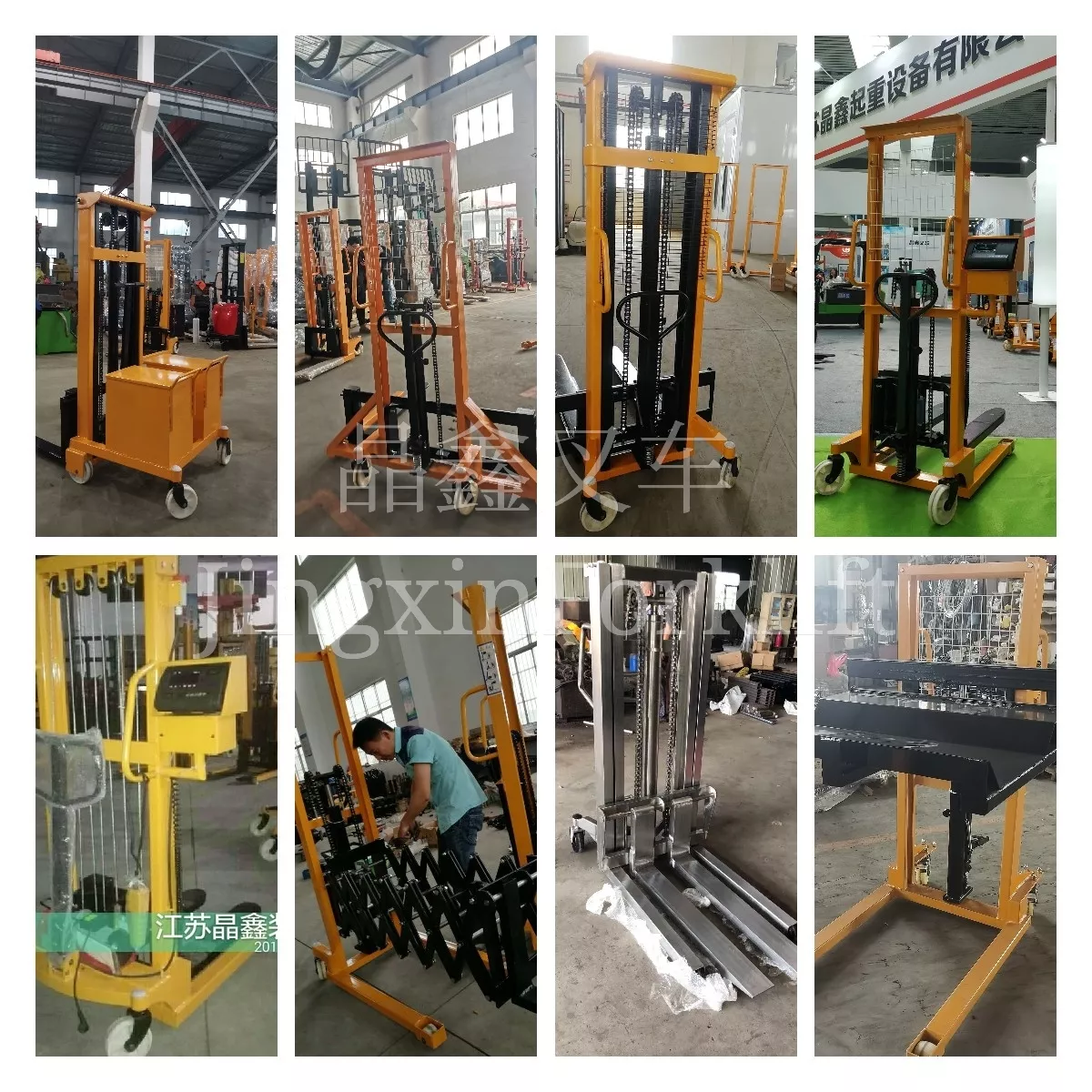 10Custom case
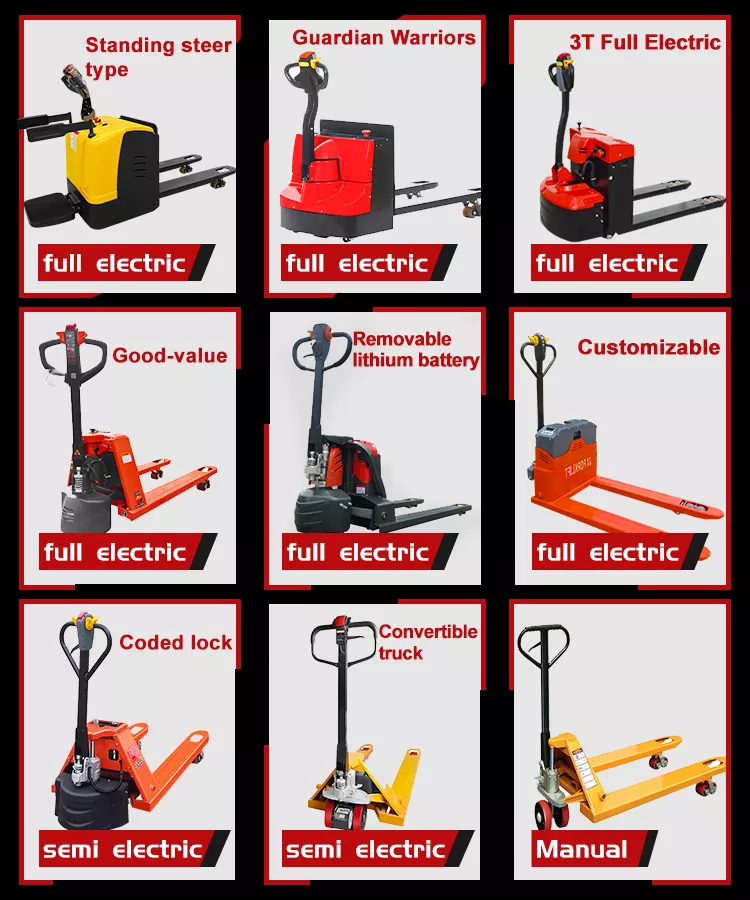 21Company's View
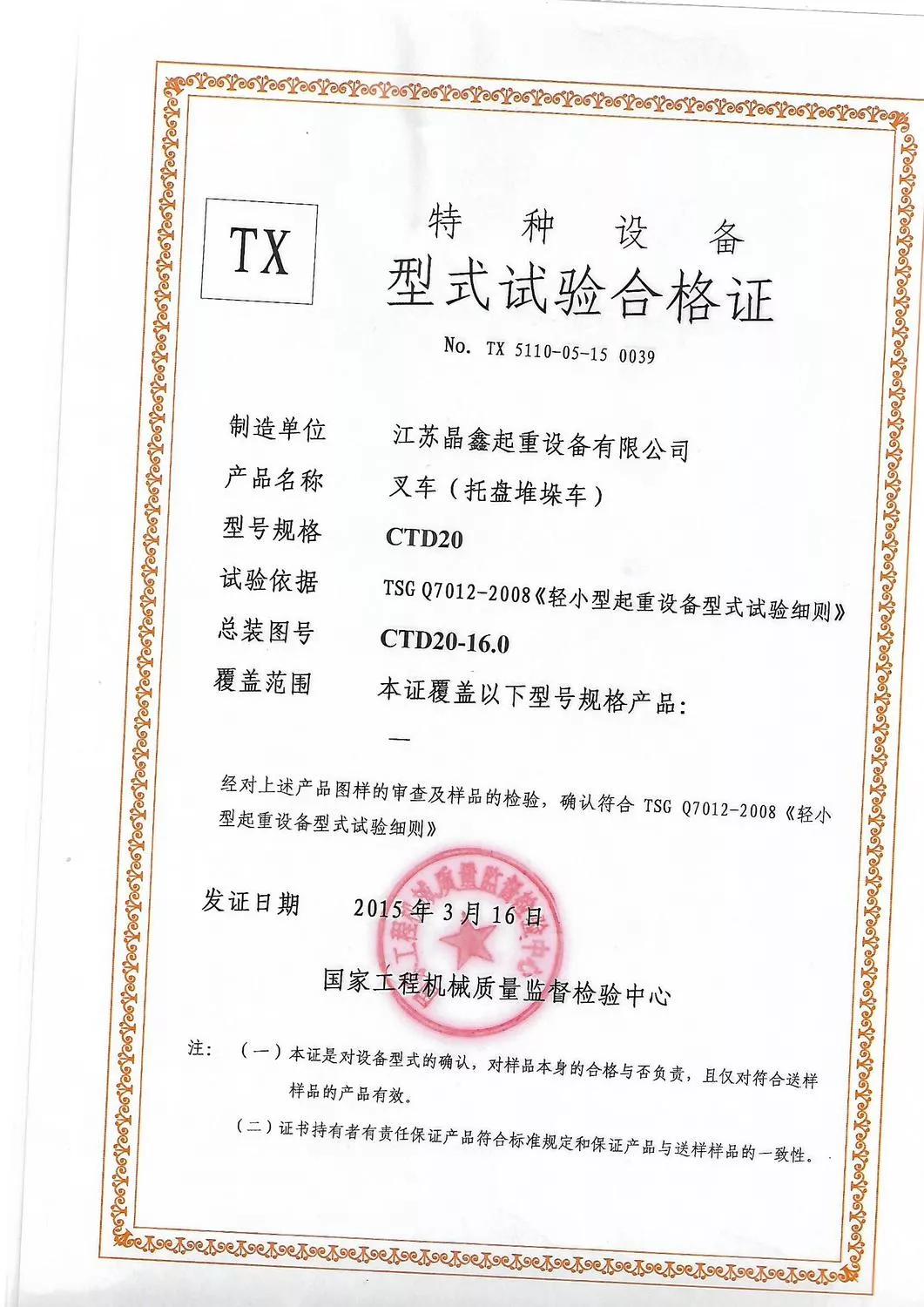 10Certificate
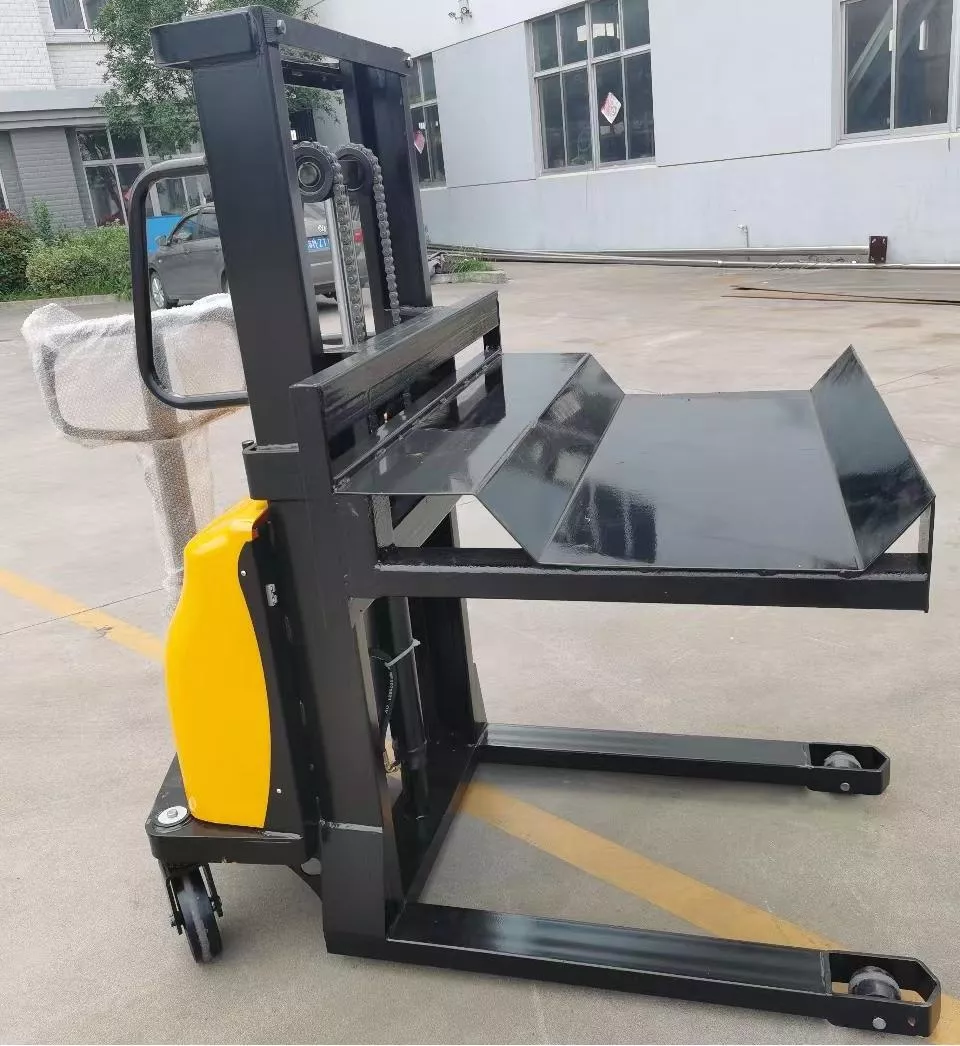 14Paper/Printing Factories
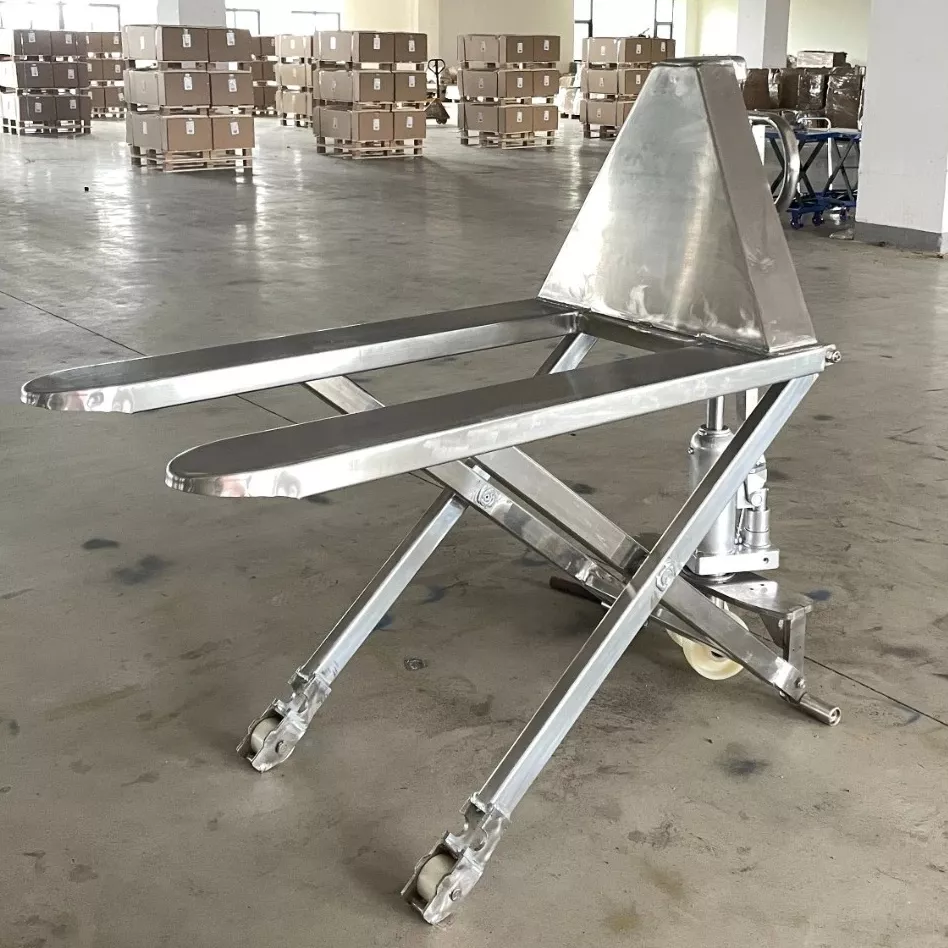 5Stainless steel material handling equipment



