In modern warehousing and logistics, reach forklifts have garnered widespread attention for their high efficiency in tight spaces. With the rapid development of e-commerce, businesses increasingly demand higher efficiency in goods storage and transportation, making reach forklifts a preferred tool for warehouse management. Based on three years of user experience, this article provides an in-depth evaluation of reach forklifts’ performance in narrow aisles, analyzing their advantages, application scenarios, and purchasing recommendations.
A reach forklift is a specialized material handling vehicle designed for operations in limited spaces. Its defining feature is the extendable forks, which allow the vehicle to place or retrieve loads at greater distances without moving the main body. This design optimizes space utilization in narrow aisles, significantly enhancing operational efficiency.
In traditional forklift operations, the vehicle’s width and turning radius often restrict warehouse space utilization. Reach forklifts, however, can maneuver freely in narrow aisles due to their unique design, drastically improving space efficiency. By reducing the spacing between goods and shelves, warehouses can store more inventory in limited space, lowering rental costs.
Reach forklifts excel in flexibility, adapting to various environments and conditions. Many models feature precise control systems that enable drivers to respond quickly to diverse tasks. User feedback highlights their exceptional performance in crowded workspaces, efficiently completing loading and unloading operations.
Over three years of user evaluation, reach forklifts have demonstrated significant productivity gains. Users report a 20–30% overall efficiency improvement, attributed to their ability to operate effectively in narrow aisles. This improvement reflects not only time savings but also optimized workforce allocation and reduced operator workload.
In modern logistics, reach forklifts have become standard equipment in distribution centers due to their high space efficiency and agility. Many leading e-commerce and third-party logistics companies employ reach forklifts to meet growing demands for storage and cargo handling.
Reach forklifts also play a critical role in cold chain logistics. In temperature-controlled warehouses with limited space, these forklifts operate efficiently in cold and humid environments, ensuring the safe handling of perishables, pharmaceuticals, and other temperature-sensitive goods.
In industrial production settings with complex equipment and assembly line layouts, reach forklifts navigate between work areas to transport raw materials and store finished products. Users note that their maneuverability ensures smooth production line operations.
According to three years of survey data, user satisfaction with reach forklifts exceeds 85%. Most users highly praise their performance, reliability, and after-sales service. The low failure rate in daily operations has boosted user confidence in their efficiency.
While reach forklifts are generally reliable, users emphasize the importance of regular maintenance, especially under heavy use. Routine inspections and upkeep can significantly extend the equipment’s lifespan. Users often prioritize models with easy-to-maintain designs when making purchasing decisions.
Cost-effectiveness is a key consideration for many users. Long-term data shows that reach forklifts offer significant total cost advantages due to high efficiency and low failure rates. Despite higher upfront costs, businesses can recoup their investment quickly through improved productivity and reduced operational expenses.
Different work environments and cargo types require specific forklift specifications. Users should select models based on their warehouse layout and cargo characteristics to ensure optimal performance in narrow aisles.
Selecting a brand with strong after-sales support is crucial. Suppliers offering training, maintenance, and timely service can minimize downtime and keep equipment operating at peak efficiency.
When purchasing, focus not only on the initial price but also on long-term usage costs and returns. Evaluating factors like efficiency, maintenance expenses, and durability will help achieve a better return on investment.
Reach forklifts have emerged as a cornerstone of modern warehousing and logistics, thanks to their innovative design and superior performance. The three-year user evaluation confirms their excellence in narrow aisle operations, highlighting their role in enhancing productivity and space utilization. For businesses seeking efficient warehousing solutions, reach forklifts are a strategic investment to gain a competitive edge in today’s market.


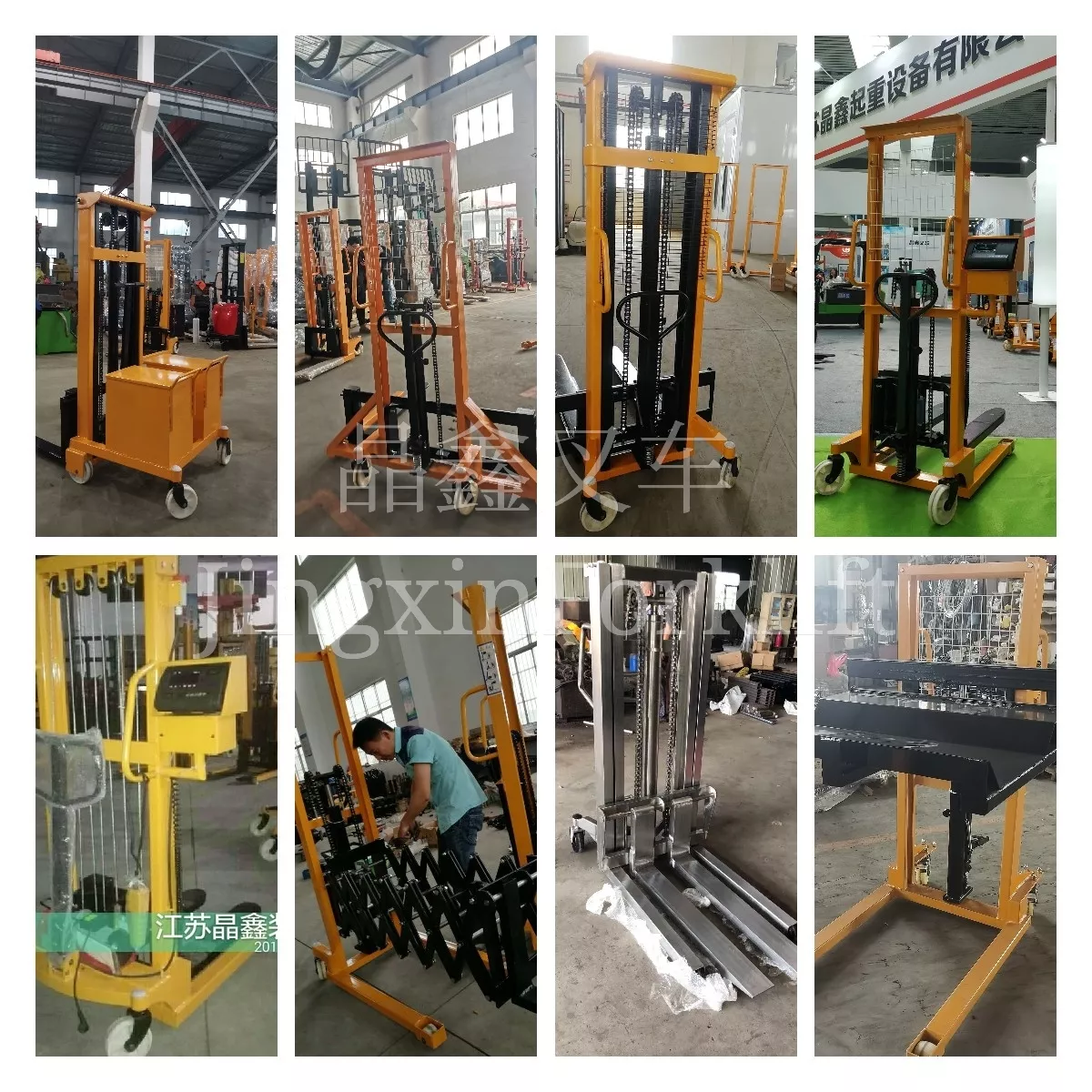 10Custom case
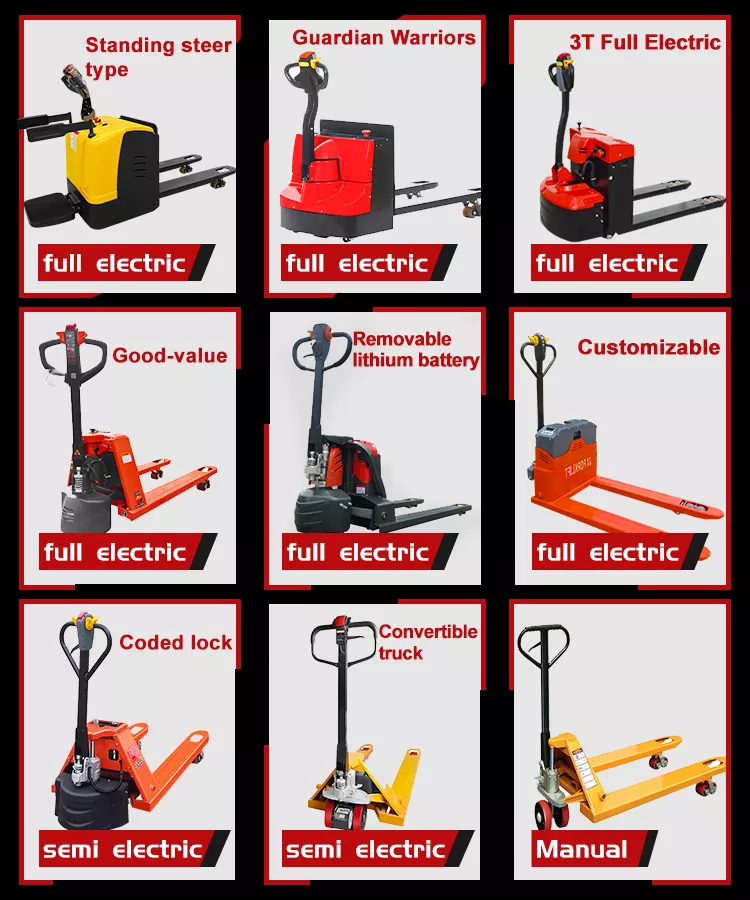 21Company's View
 10Certificate
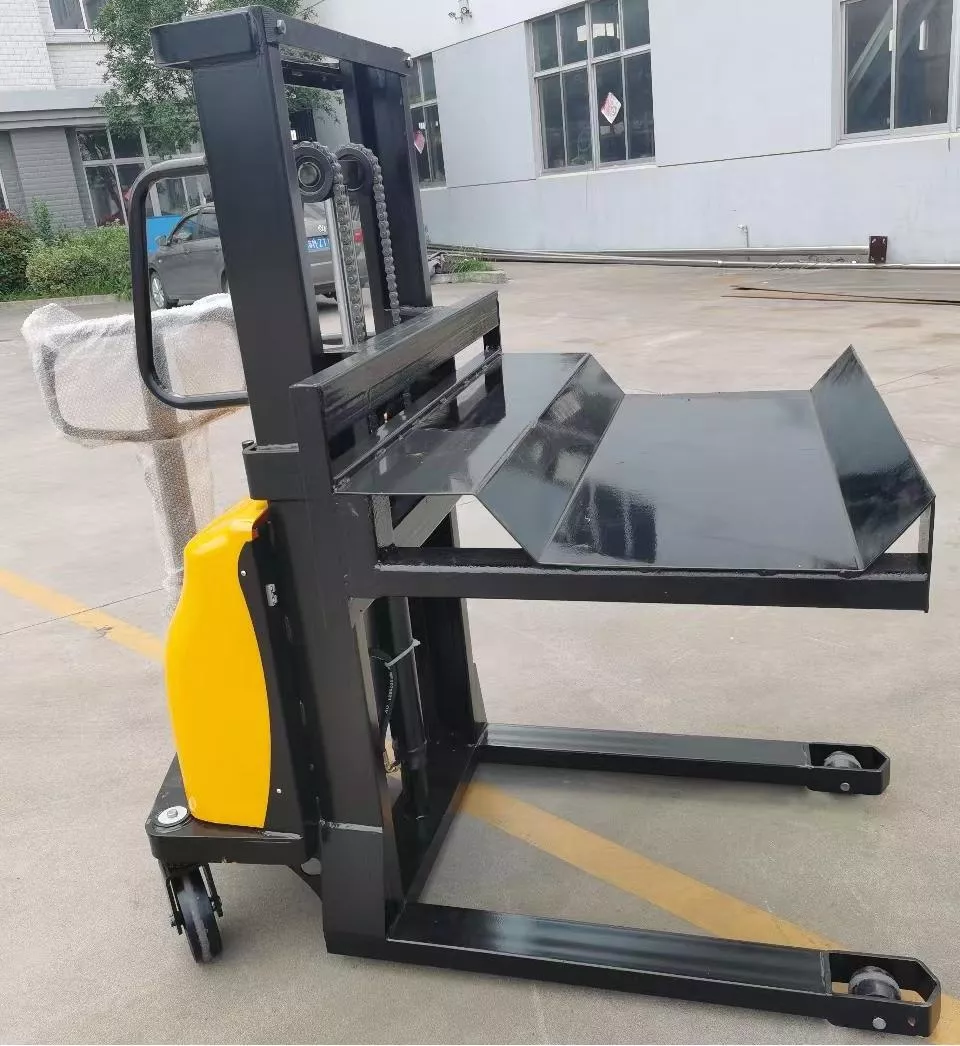 14Paper/Printing Factories
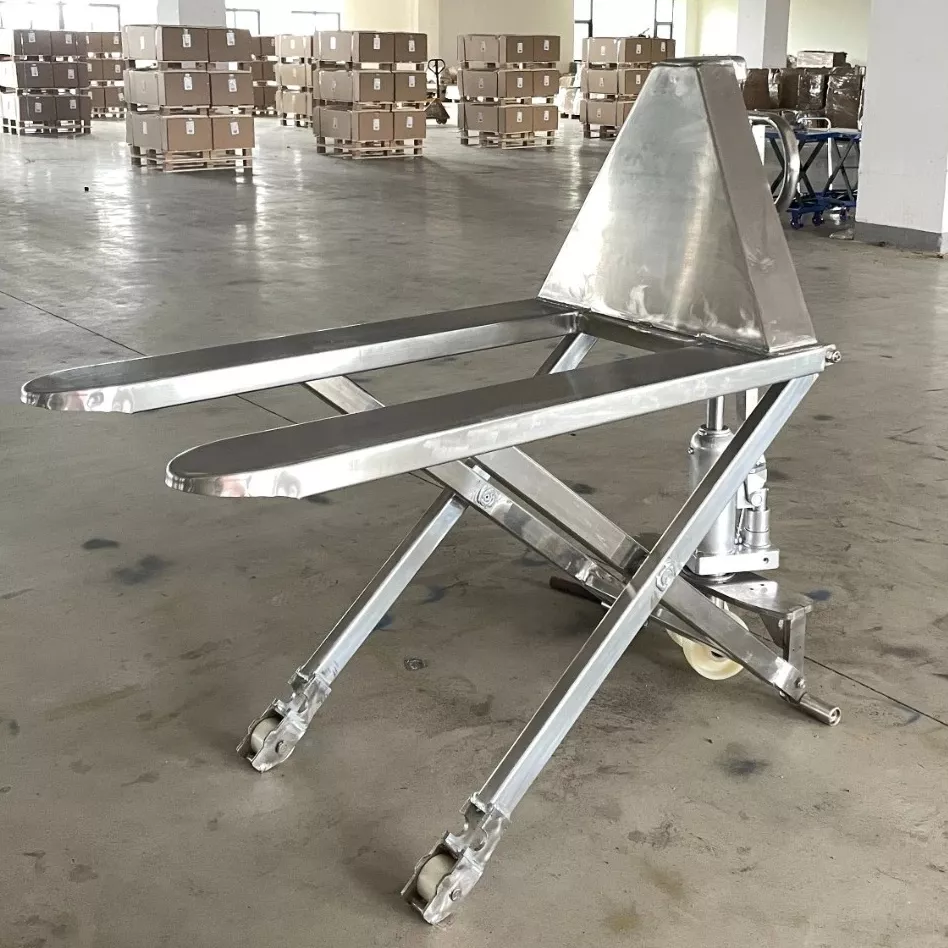 5Stainless steel material handling equipment



