Stacker Operation Guide: Practical Tips to Avoid Cargo Tilting – A Must-Read for Beginners!
 |  |
In modern warehouses and cargo transportation, stackers (forklifts) have become indispensable tools. Whether handling large cartons, steel materials, or other heavy loads, stackers greatly enhance work efficiency. However, many beginners often face a tricky problem when operating stackers – cargo tilting. Cargo tilting not only causes damage to goods but can even lead to safety accidents. So, as a beginner, how can you operate a stacker to avoid cargo tilting? This article shares detailed insights and tips to help you use stackers safely and efficiently. ### **
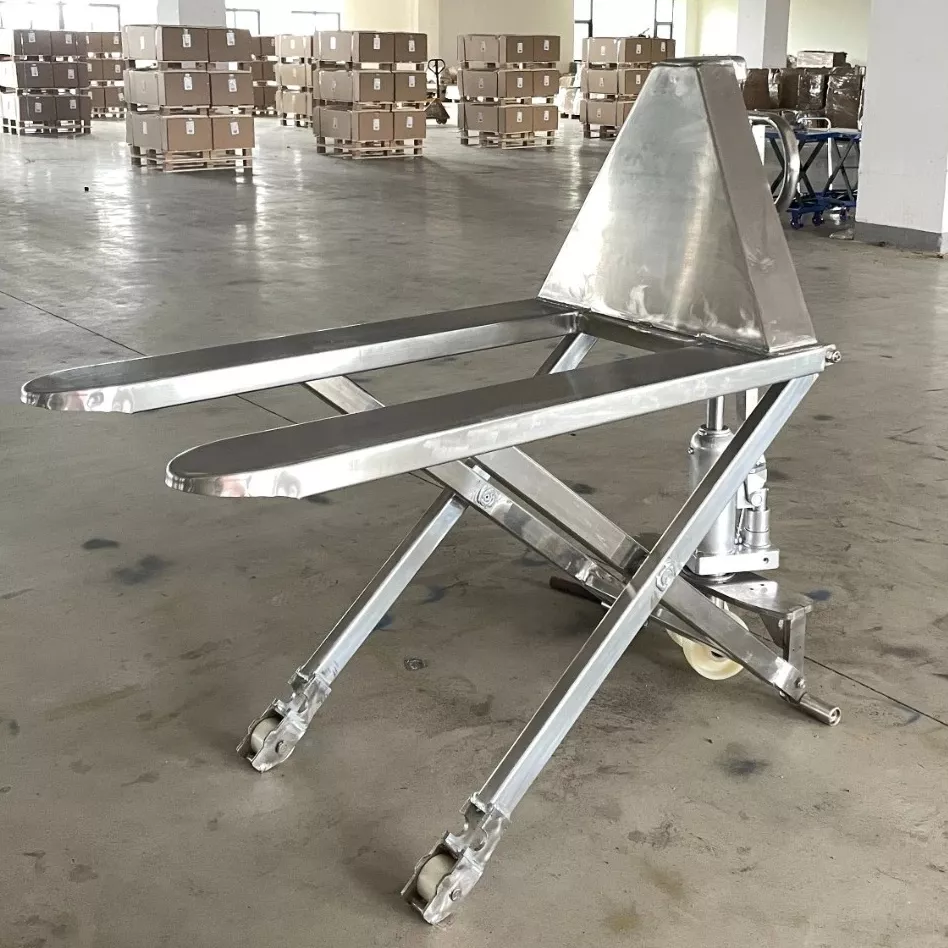
I. Understanding the Basic Structure of Stackers** Before starting stacker operations, it is essential to have a clear understanding of its basic structure. A stacker mainly consists of the following components:
1. **Frame**: The frame is the foundational structure of the stacker, bearing the entire weight of the equipment.
2. **Front and Rear Wheels**: Front wheels are typically used for steering, while rear wheels provide support and stability.
3. **Fork Arms**: Fork arms are the components used to lift cargo, usually adjustable to different cargo heights.
4. **Cylinders**: Cylinders are responsible for the lifting and operation of the fork arms, serving as the power source of the stacker.
5. **Cab**: The driver operates the control system here to ensure safe driving. Understanding the basic structure allows for more confident and efficient operation. ### **
II. Proper Cargo Loading Methods** Cargo loading is the first step in preventing tilting. Below are some fundamental principles:
1. **Even Distribution of Cargo Weight** Before loading cargo, ensure the weight is evenly distributed. Place heavier items at the center of the forklift, and lighter items on the sides. This effectively prevents the forklift from losing balance during movement.
2. **Check Cargo Stability** After loading cargo onto the forklift, inspect the stability of the goods. Ensure there are no loose items colliding with each other. Pay special attention when loading high-center-of-
gravity items to avoid tilting during travel.
3. **Use Appropriate Fork Arm Length** Select fork arms of suitable length according to the size of the cargo. Using overly long fork arms can easily cause the cargo to tilt forward or backward, increasing the risk of tilting.
**Conclusion** Through the above operational insights, beginners can enhance their awareness and skills in preventing cargo tilting when using stackers. Regardless of how complex the working environment is, safe and efficient stacker operation can be ensured through reasonable loading, careful handling, and regular maintenance checks. Remember: **safety first, operate with caution**, and you will become an excellent stacker driver. Only through continuous learning and practice can you navigate busy work environments with ease.


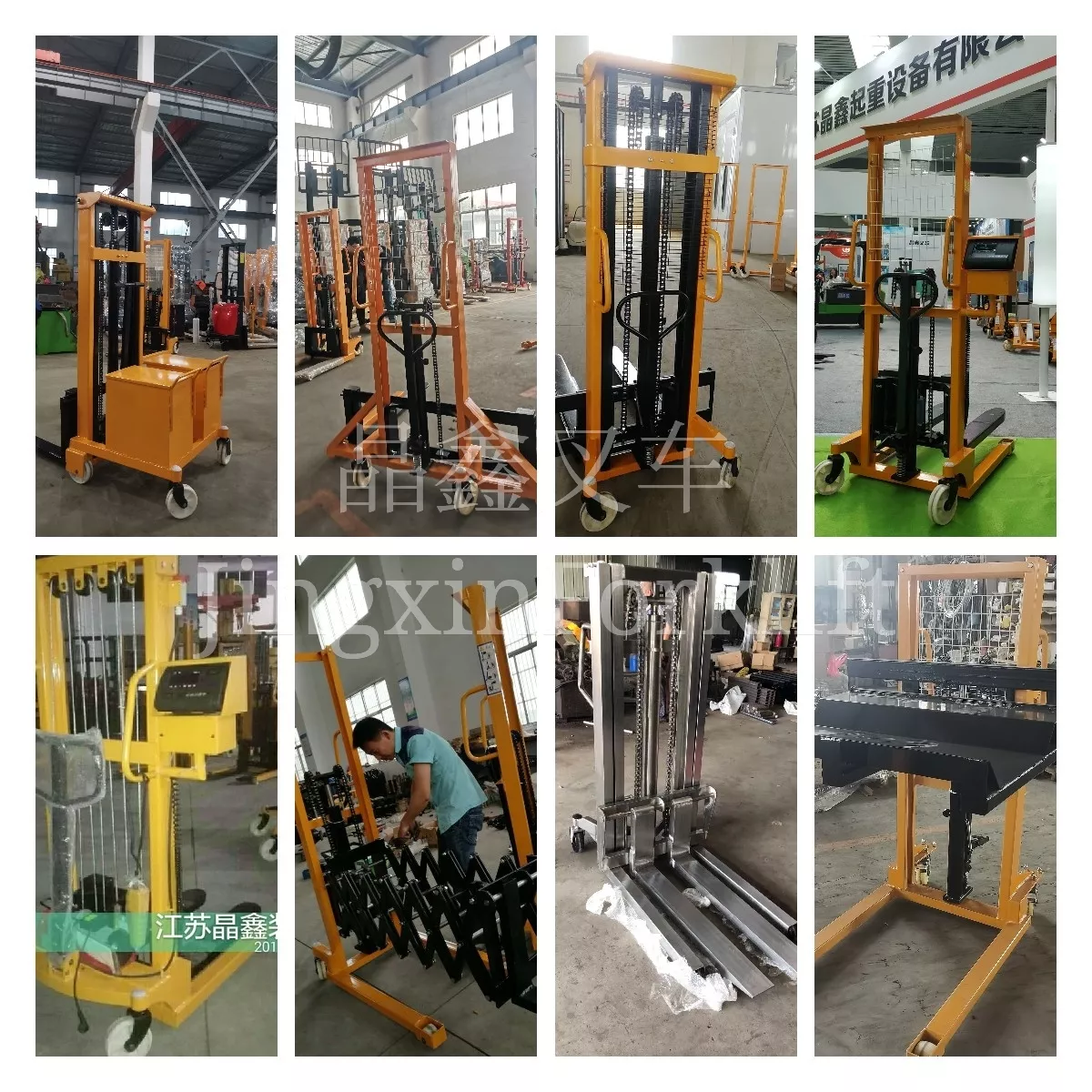 10Custom case
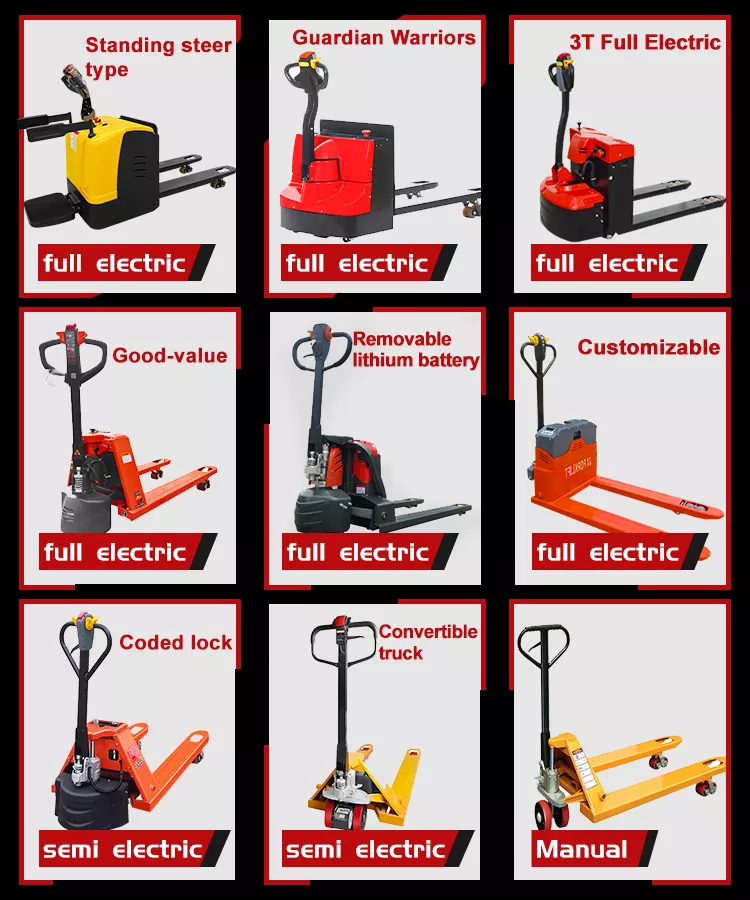 21Company's View
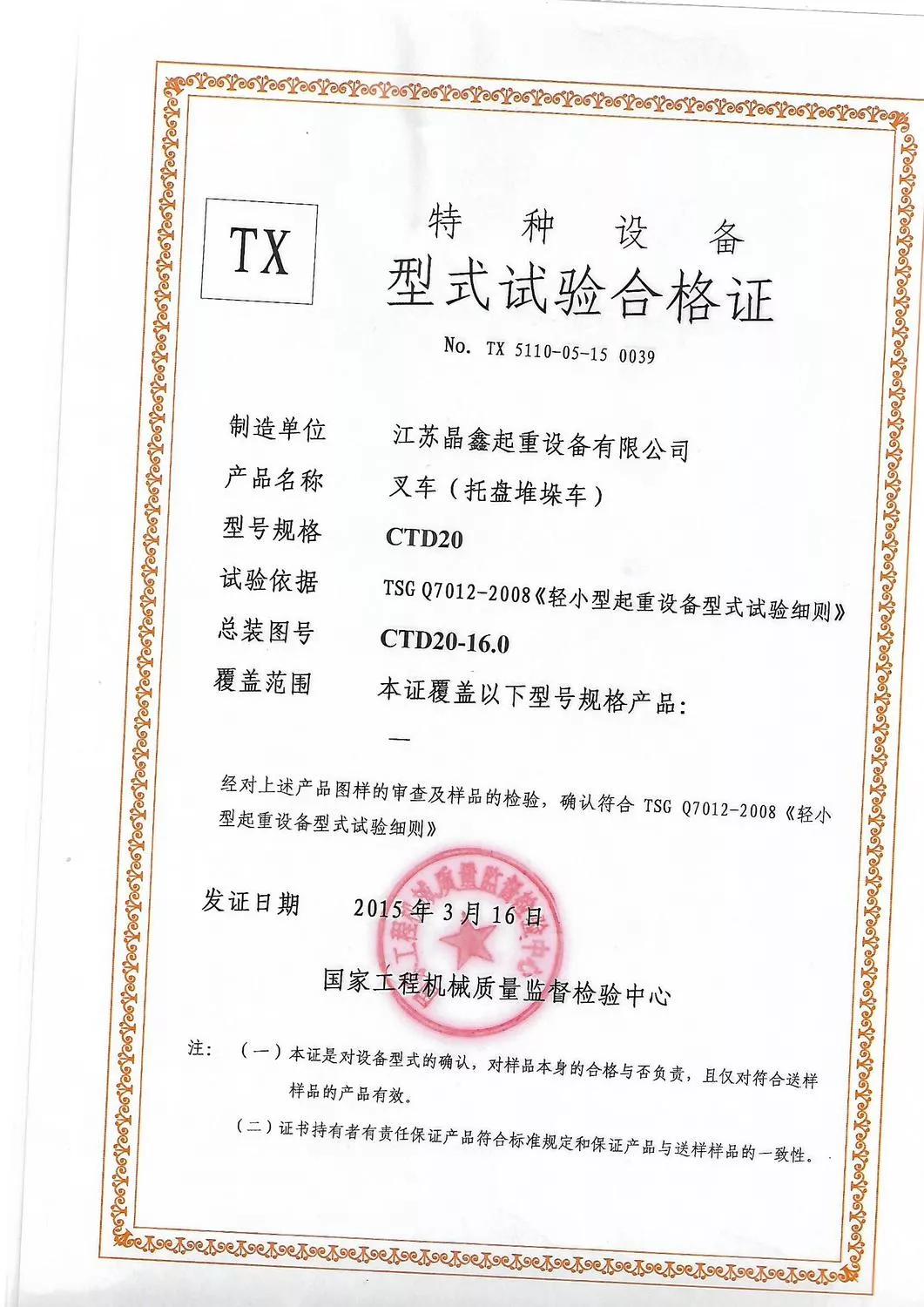 10Certificate
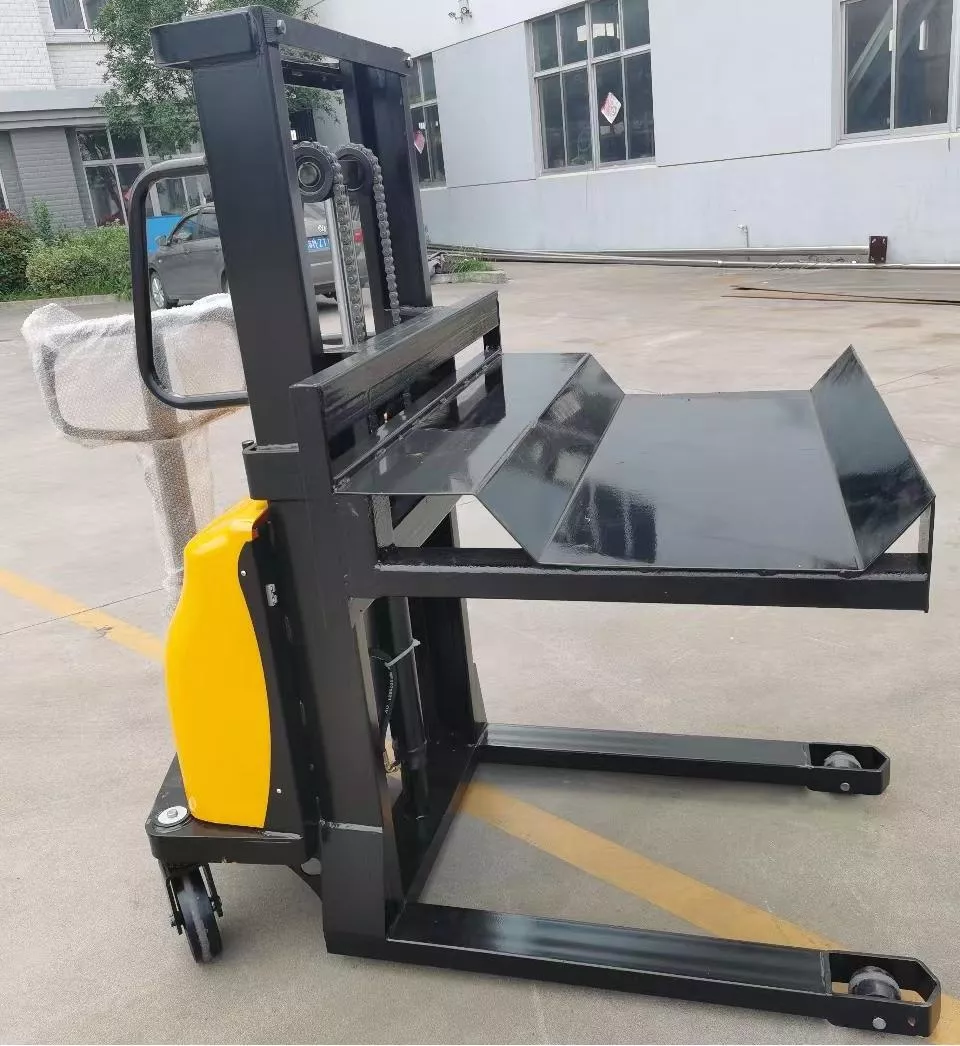 14Paper/Printing Factories
 5Stainless steel material handling equipment
- 10Custom case
- 21Company's View
- 10Certificate
- 14Paper/Printing Factories



