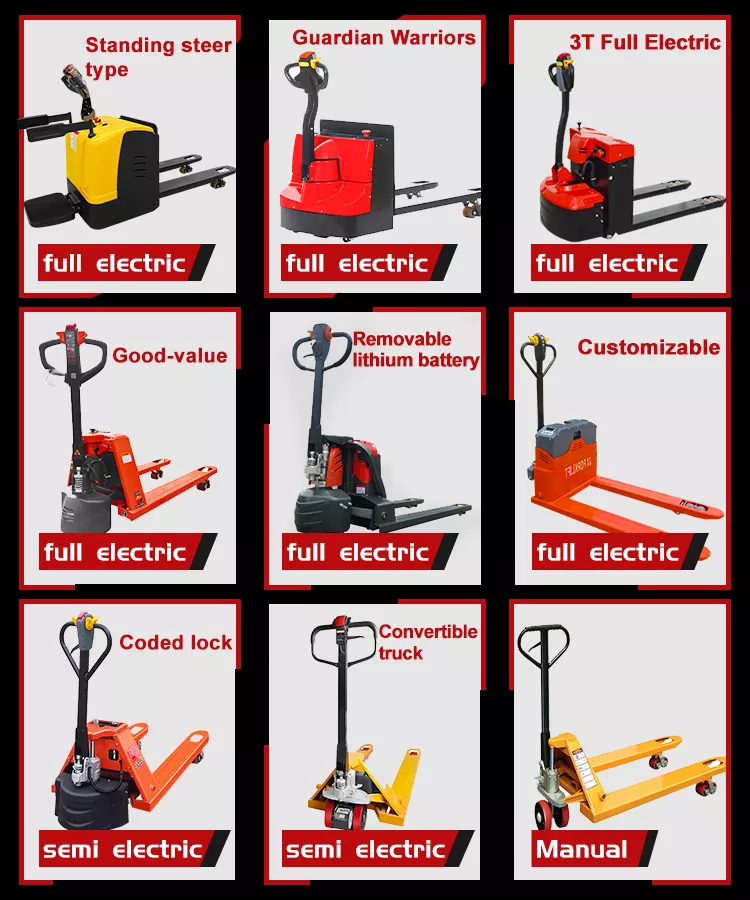
In the rapidly evolving logistics and warehousing industry, the challenge of efficiently and economically stacking and transporting goods has always been a key concern. Electric stackers and manual pallet jacks (hand pallet trucks) are two of the most commonly used devices in warehousing operations. Although they share similar primary functions, their technological and operational differences lead to distinct advantages and disadvantages in terms of efficiency, cost-effectiveness, and applicable scenarios. As a seasoned warehousing professional, I will analyze the characteristics of these two devices in detail to help you make an informed decision.
Powered by electric drive systems, electric stackers can complete lifting and moving operations in a short time. When handling large quantities of goods, their efficiency far exceeds that of manual pallet jacks. For example, during the inbound and outbound processes of bulk commodities, electric stackers can quickly load and unload goods, reducing operation time and enhancing overall work efficiency.
Electric stackers are generally equipped with modern control systems, making them very easy to operate. Operators only need to master basic button operations, requiring minimal physical effort—this is particularly friendly to workers with less physical strength. Additionally, some electric stackers feature intelligent assistance systems that help operators complete complex stacking and picking tasks more easily.
As warehousing operations become more intensive, safety hazards have increased. Electric stackers typically come with multiple safety devices, such as overload protection, emergency stop buttons, and automatic braking systems. These functions effectively reduce the risk of accidents caused by equipment failures or operational errors. In contrast, manual pallet jacks rely heavily on the operator’s physical strength, making improper operation more likely and increasing accident risks.
Electric stackers can operate in various environments, both indoors and outdoors. Modern designs account for different road conditions, and some models use advanced anti-slip technology to ensure stable operation on wet or uneven surfaces. Moreover, advancements in battery technology provide long-lasting power, allowing them to handle a full day of high-intensity work on a single charge.
Despite the numerous advantages of electric stackers, manual pallet jacks offer irreplaceable benefits, especially for small-scale warehousing. They remain a cost-effective and flexible choice.
Manual pallet jacks are significantly cheaper than electric stackers, making them more affordable for start-ups or small warehouses. Additionally, their maintenance and repair costs are relatively low, and they require no additional batteries or power supply during use, significantly reducing operational costs.
Manual pallet jacks have a relatively simple structure, typically only requiring regular cleaning and lubrication. With proper operation, they are durable and have a long service life. Furthermore, they have a low failure rate, and experienced operators can use them with greater ease.
Manual pallet jacks offer exceptional operability and flexibility, especially in narrow warehousing environments. Their small turning radius allows for easy operation in congested areas. While electric stackers are more efficient, manual pallet jacks may excel in tight aisles.
Manual pallet jacks are relatively small and lightweight, making them easy to move and store within a warehouse. They can be operated effortlessly even in areas without a power supply. When not in use, they can be parked in a corner without occupying much space.
When deciding between an electric stacker and a manual pallet jack, consider your specific needs and working environment. Here are key factors to guide your choice:
High-volume, frequent operations: Electric stackers are ideal for improving efficiency and reducing labor costs.
Low-volume, occasional use: Manual pallet jacks are more cost-effective for infrequent tasks.
Narrow or confined spaces: The maneuverability of manual pallet jacks is crucial.
Large, open areas: Electric stackers can fully leverage their high-efficiency advantages.
Strong, physically capable staff: Manual pallet jacks are suitable for teams that can handle physical labor.
Workers with limited physical strength: Electric stackers are preferable for their ease of operation and reduced physical strain.
Electric stackers: Higher upfront costs but potentially better long-term ROI due to improved efficiency and labor savings.
Manual pallet jacks: Suitable for businesses seeking to minimize initial investment.
After comparing electric stackers and manual pallet jacks, it is clear that each has unique strengths in different scenarios and requirements. For long-term warehousing management focused on efficiency and safety, electric stackers offer significant advantages in improving operational capabilities and reducing labor costs. Manual pallet jacks, however, are better suited for environments requiring low initial investment, narrow-space flexibility, and high maneuverability. Ultimately, the choice should be based on a careful evaluation of your company’s specific needs.
In summary, selecting the right equipment for different applications can significantly enhance work efficiency and reduce operational costs. I hope this analysis helps you make an optimal decision when choosing warehousing equipment.


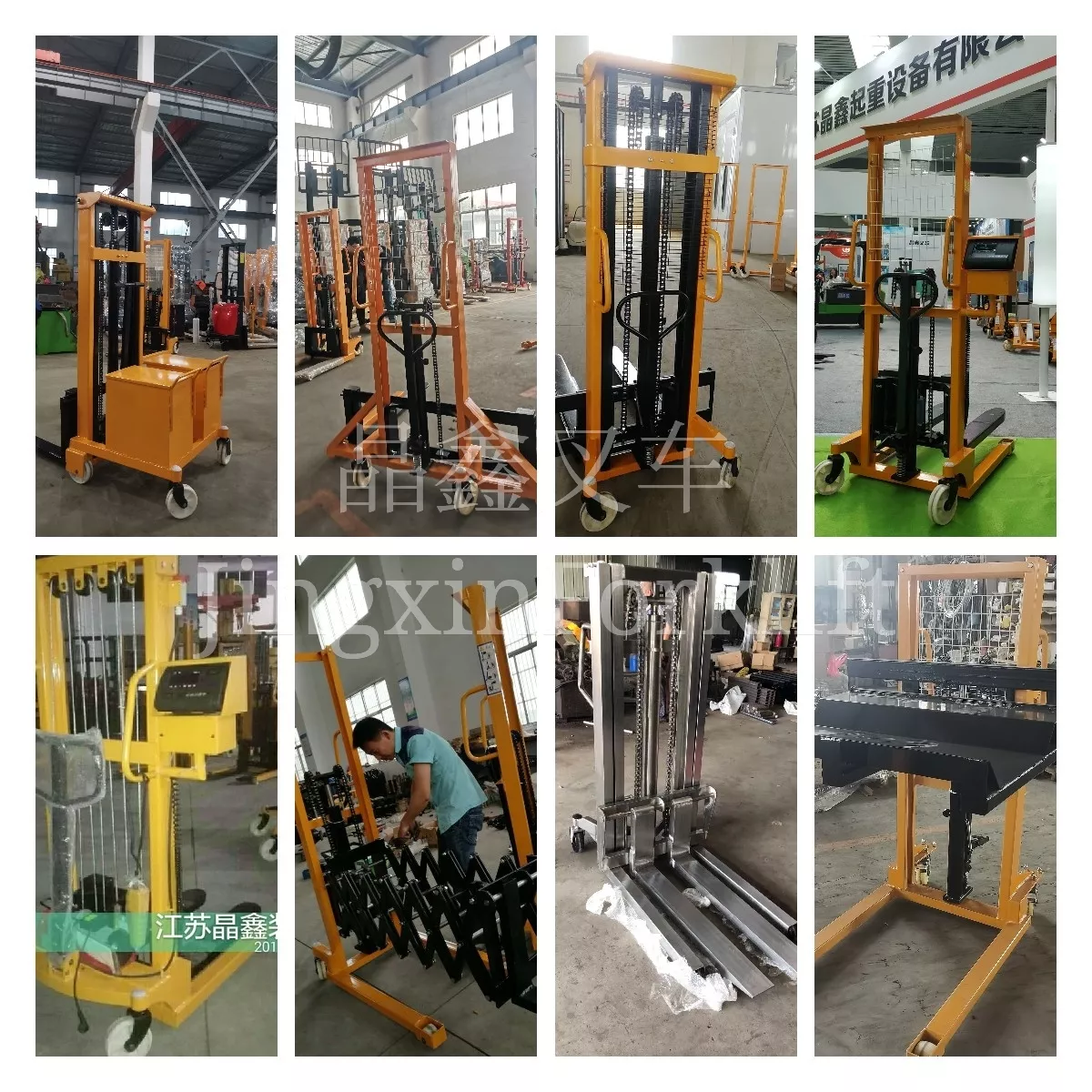 10Custom case
 21Company's View
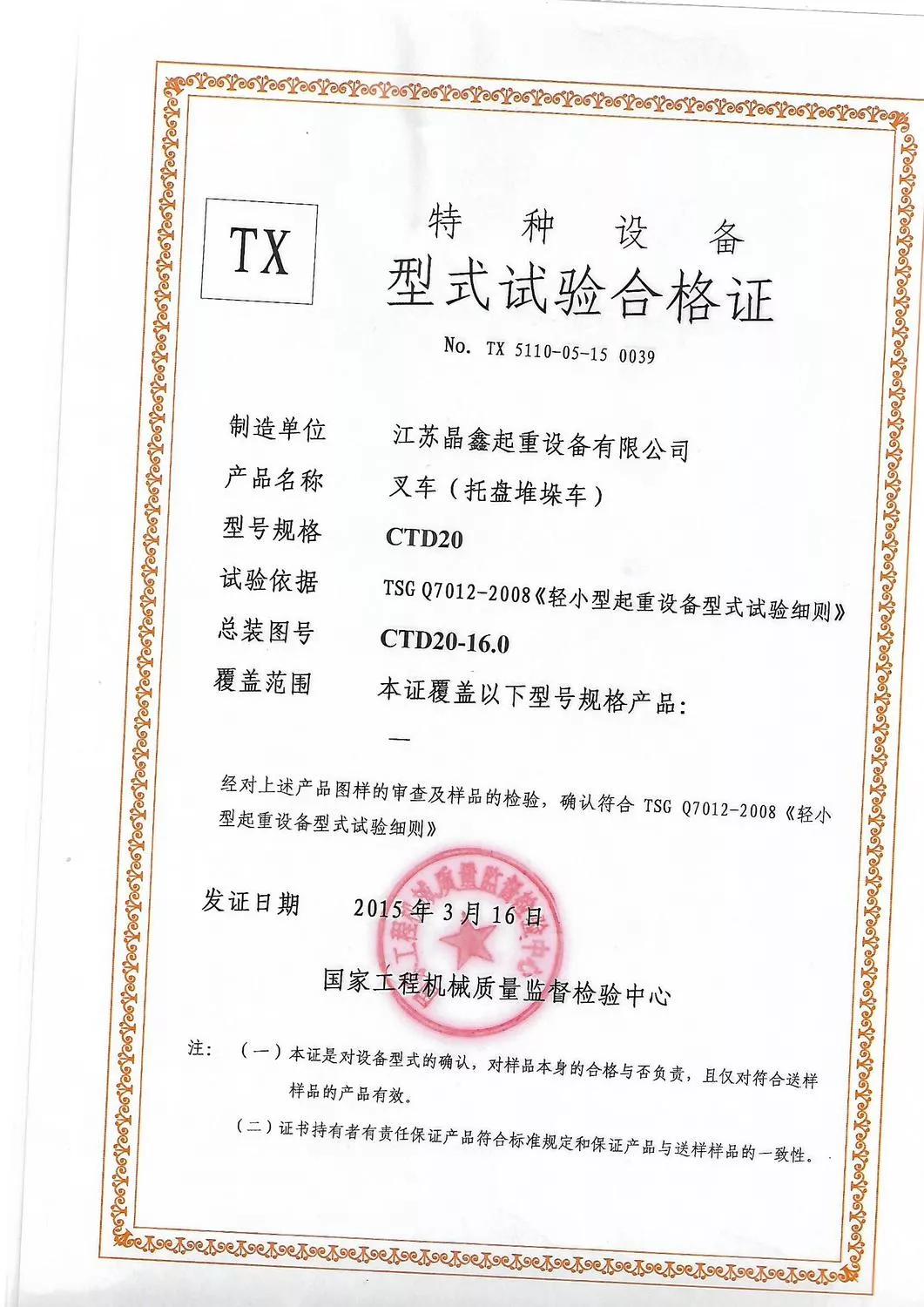 10Certificate
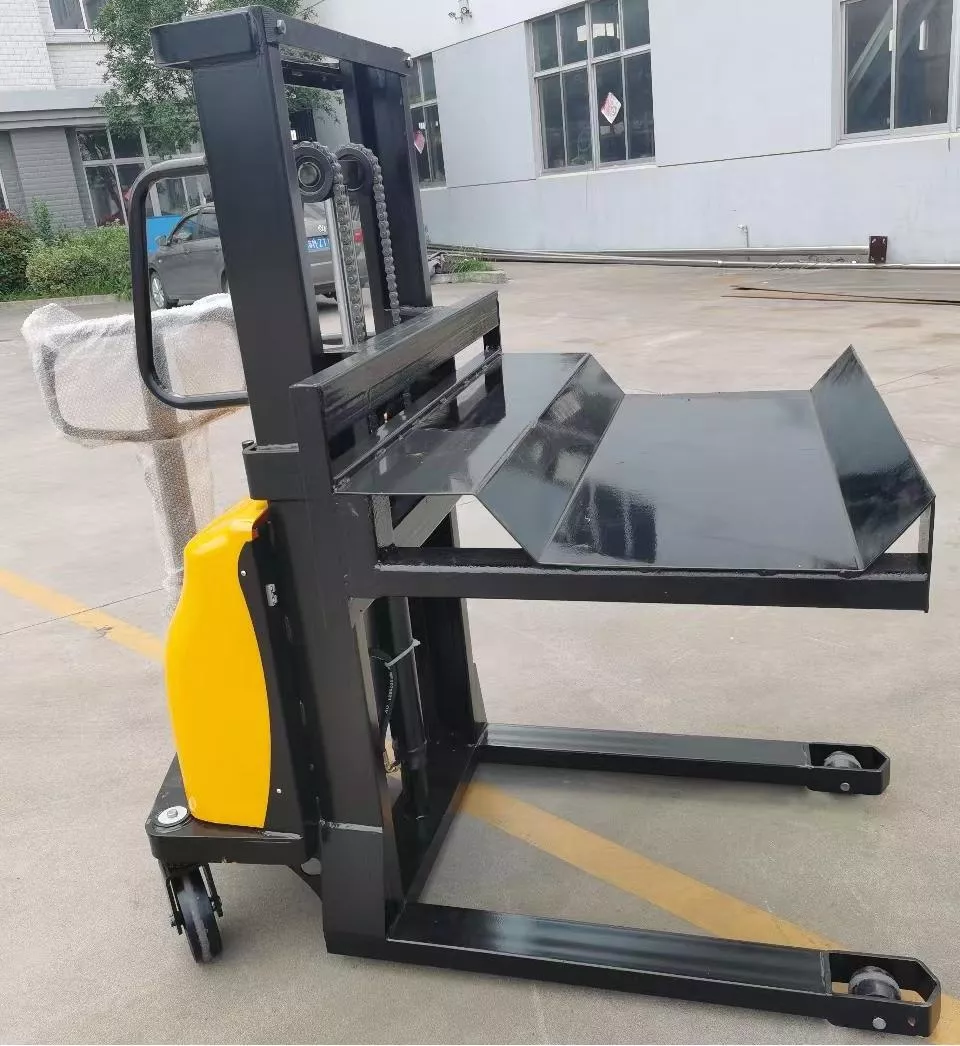 14Paper/Printing Factories
 5Stainless steel material handling equipment



