In the logistics and delivery industry, the selection of self-pickup vehicles has always been a focal point for both enterprises and individual users. With the continuous growth of market demand, semi-electric and fully electric self-pickup vehicles have met users' diverse needs through their flexible load-carrying options. This article delves into the characteristics, advantages, and optimal selection strategies for semi-electric and fully electric self-pickup vehicles, helping you find the most suitable model among numerous choices.As a critical tool in logistics transportation, the demand for self-pickup vehicles varies across multiple dimensions:
Cargo Characteristics: Different types of goods require vehicles with specific load capacities and volumes. For example, transporting bulk commodities may demand high-load vehicles, while small-package delivery favors lightweight models.
Usage Scenarios: Urban environments with narrow streets and parking challenges suit compact and agile vehicles, whereas rural or remote areas prioritize heavy-duty load capacity and durability.
Understanding these characteristics and application scenarios is crucial for enterprises and individuals to enhance logistics efficiency and cost-effectiveness.
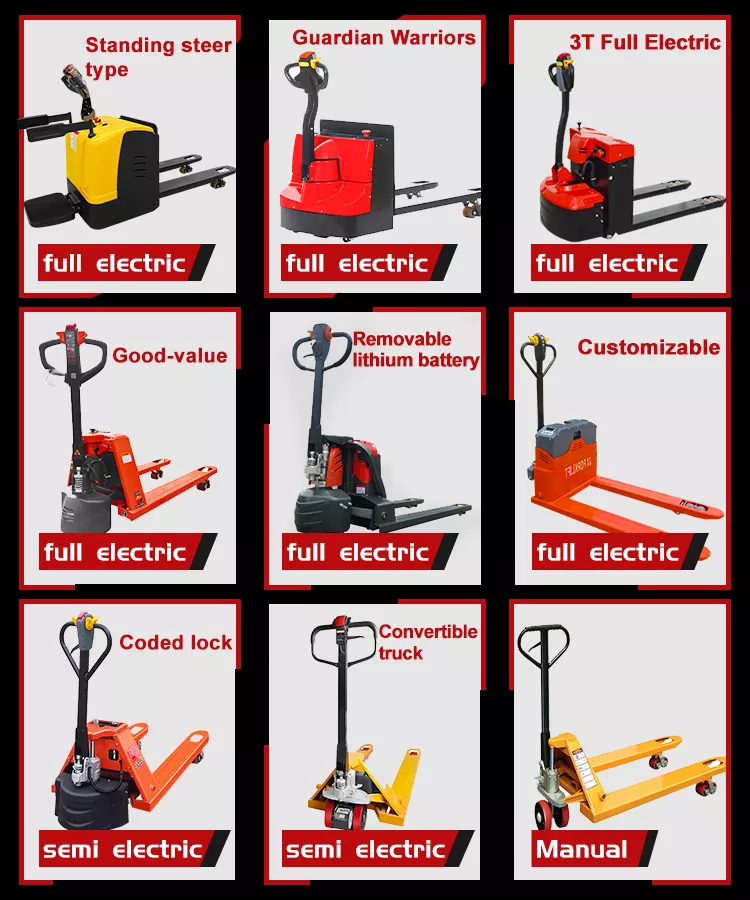
Semi-electric self-pickup vehicles typically feature an electric assist system while retaining manual operation. Their key advantages include:
High Flexibility: Users can adjust the assist level according to cargo weight and volume. Higher assist for heavy loads reduces effort, while lower energy consumption for light loads extends mileage.
Cost-Effectiveness: Compared to fully electric models, semi-electric vehicles have lower purchase and maintenance costs, making them suitable for start-ups and small-to-medium enterprises (SMEs).
Wide Applicability: They perform well in both urban and rural road conditions, adapting easily to fluctuating demands.
Simple Operation: Despite the assist system, semi-electric vehicles are user-friendly, minimizing training requirements.
Fully electric self-pickup vehicles use a fully electric drive system, offering higher load capacity and environmental benefits. Key advantages include:
显著的环保效益 (Significant Environmental Benefits): Zero emissions align with modern environmental standards, helping enterprises enhance social responsibility and brand image.
High Energy Efficiency: Electric motors achieve far higher energy conversion efficiency than traditional internal combustion engines, enabling longer mileage and heavier cargo transport with the same energy input.
Low Operational Costs: While initial investment is higher, long-term maintenance and charging costs are low, resulting in lower overall operational costs than traditional fuel vehicles.
Superior Driving Experience: Quiet operation and smooth rides improve driver comfort. Reduced noise and emissions also comply with urban traffic regulations for city 配送 (city delivery).
When selecting a self-pickup vehicle, consider the following:
Load Capacity: Match the vehicle’s load range to daily logistics needs for smooth transportation.
Energy Efficiency and Economy: Balance purchase costs with long-term operational expenses to minimize total ownership costs.
Operating Environment: Evaluate road conditions, space constraints, and other factors to ensure high efficiency in the target environment.
Brand and After-Sales Service: Renowned brands often provide better quality assurance and after-sales support, enhancing long-term usability.
Regulations and Subsidies: Leverage local policies and subsidies for electric vehicles to reduce purchase and operational costs.
Usage Flexibility: Prioritize flexible models if cargo types change frequently to adapt to demand fluctuations.
Driven by technological advancement and stricter environmental standards, the industry is shifting toward intelligence and electrification. Future innovations may include:
Autonomous self-pickup vehicles and intelligent delivery systems integrated with traditional logistics, enhancing efficiency while reducing costs and environmental impact.
Increased adoption of smart features (e.g., GPS navigation, real-time monitoring, in-vehicle communication) to optimize transportation processes and operational efficiency.
Both semi-electric and fully electric self-pickup vehicles offer unique advantages for specific scenarios. To achieve optimal logistics efficiency and cost control, users must analyze their needs thoroughly, considering vehicle performance, economy, and applicability. As technology evolves, the self-pickup vehicle industry will continue to innovate, providing more choices and conveniences.
In the rapid development of modern logistics, selecting the right self-pickup vehicle is a critical step to enhance delivery efficiency. We hope this information helps you make informed decisions and choose the ideal vehicle for your needs.


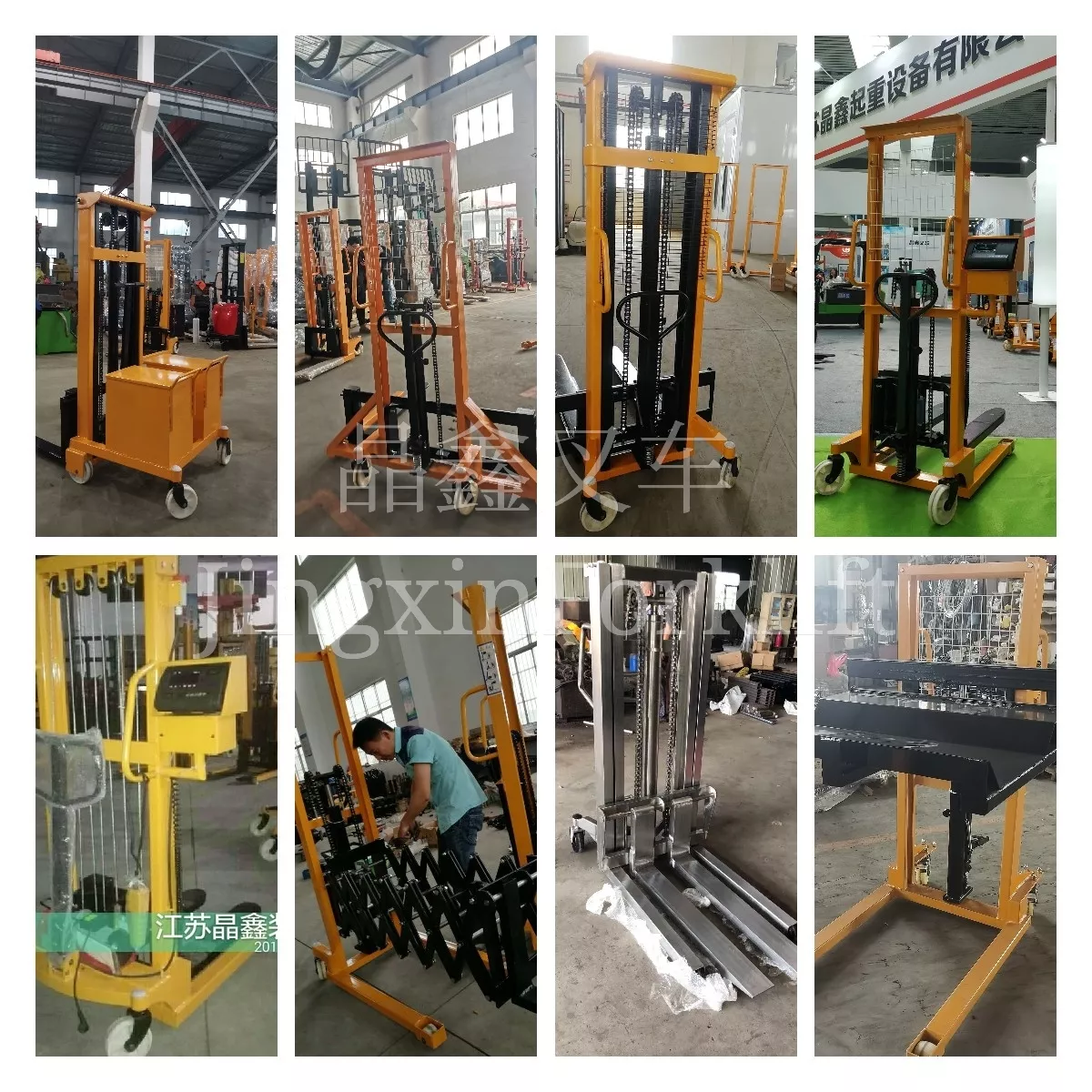 10Custom case
 21Company's View
 10Certificate
 14Paper/Printing Factories
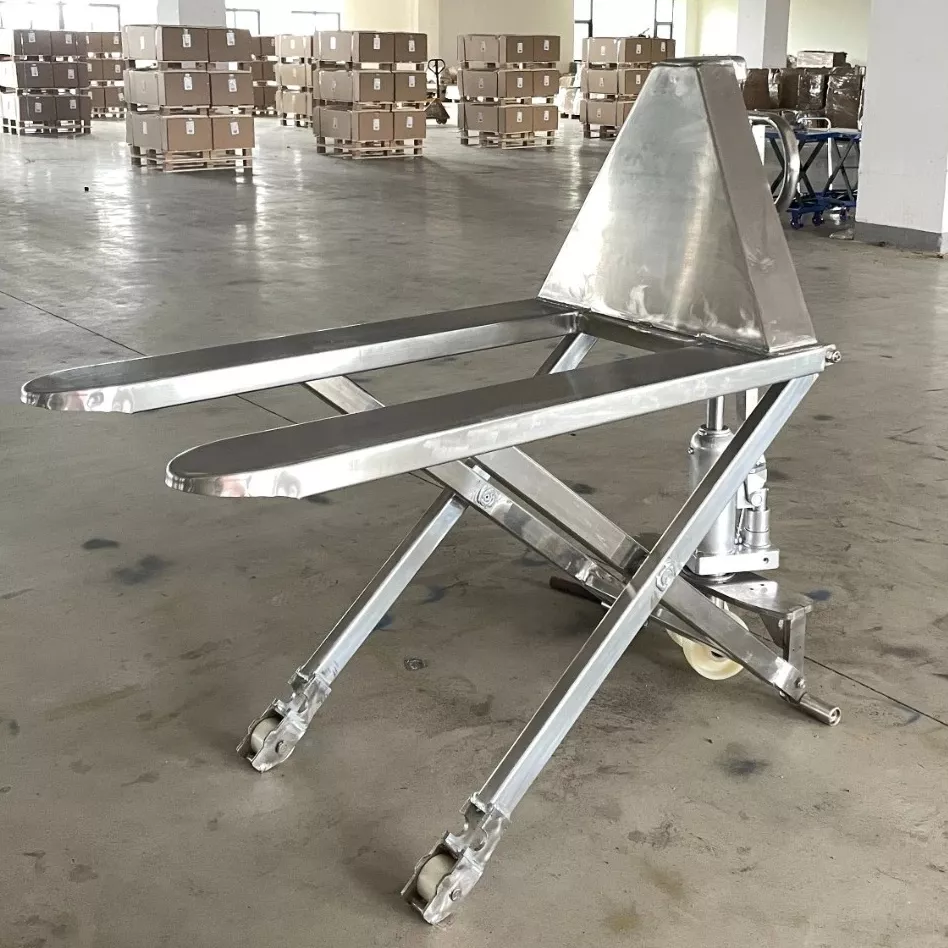 5Stainless steel material handling equipment



