The Perfect Choice for Electric Self-Handling Vehicles: 500kg to 1300kg, Meeting All Your Needs!
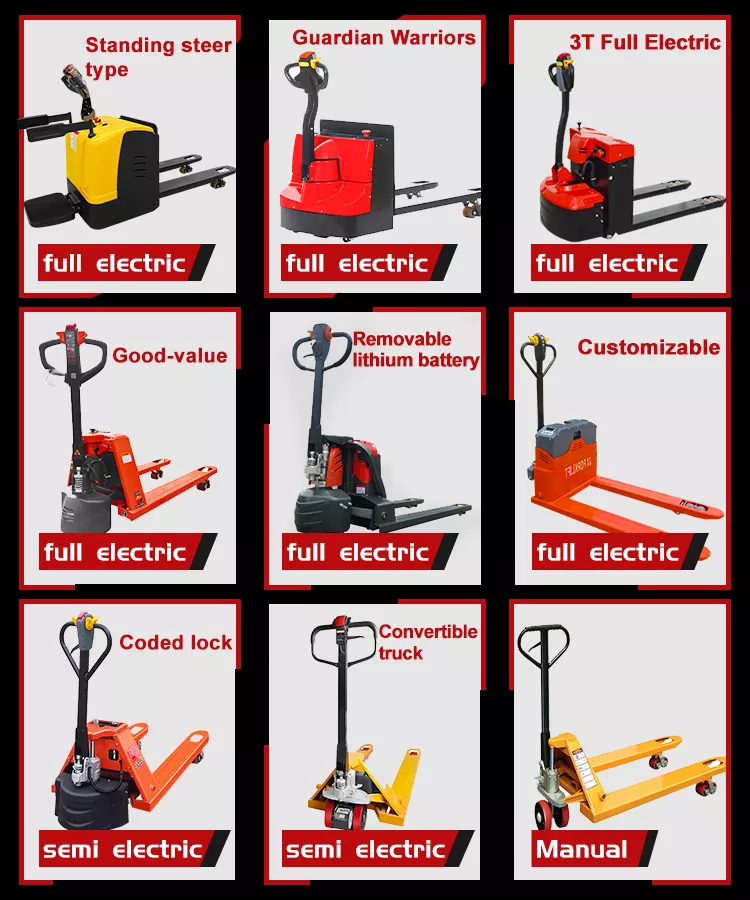
In today's rapidly developing logistics and transportation industry, electric self-handling vehicles, as efficient and environmentally friendly handling tools, are increasingly favored by enterprises and individuals. Especially for users who need to move large quantities of goods, electric self-handling vehicles with a load capacity ranging from 500kg to 1300kg have become a shining star in the market due to their strong load-bearing capacity and flexible design. This article will delve into the characteristics, advantages, and how to choose the right model for your needs. ### 1. Overview of Electric Self-Handling Vehicles An electric self-handling vehicle, as the name suggests, is a handling tool driven by electricity, specially designed for warehousing, logistics, retail, and other fields. Compared with traditional fuel vehicles, electric self-handling vehicles have obvious advantages such as low carbon, environmental protection, low operating costs, and low noise. With the advancement of technology, the design of electric self-handling vehicles has been continuously optimized, and their functions have become increasingly rich, which can well meet users' needs from small-scale distribution to bulk cargo handling. ### 2. Diverse Options to Meet Different Needs The load range of electric self-handling vehicles is very wide, and models from 500kg to 1300kg can cover the needs of most users. These models are suitable not only for urban distribution but also for use in warehouses, factories, large supermarkets, and other places. Electric self-handling vehicles can be subdivided into the following categories: - **Light-duty Electric Self-Handling Vehicles (500kg–800kg)**: Suitable for small and medium-sized enterprises or individual users to meet general handling needs. They are small in size and highly flexible, allowing them to move freely in narrow spaces. - **Medium-duty Electric Self-Handling Vehicles (800kg–1000kg)**: This model is the choice of many enterprises and can handle larger-scale handling needs. They are usually equipped with stronger battery power, extending the working cycle and efficiently completing long-time transportation tasks. - **Heavy-duty Electric Self-Handling Vehicles (1000kg–1300kg)**: Suitable for large factories and logistics companies, capable of handling heavy goods. With a stronger power system and durable structure, they still perform well in extreme working environments. ### 3. Technical Advantages of Electric Self-Handling Vehicles The technology of electric self-handling vehicles has been continuously improved, and the application of many new technologies has significantly enhanced their performance: - **Efficient Battery Technology**: Most electric self-handling vehicles on the market today are equipped with high-capacity lithium batteries, which can work continuously for more than 8 hours, and the charging speed has been greatly shortened, reducing users' waiting time. - **Intelligent Control System**: Many modern electric self-handling vehicles are equipped with advanced intelligent control systems, which can remotely monitor the vehicle's status through mobile applications, checking information such as battery power and mileage, which greatly improves management efficiency. - **Adjustable Functions**: Some high-end models provide adjustable cargo platforms, allowing users to adjust according to the height and weight of different goods to adapt to different transportation needs. ### 4. How to Choose the Right Electric Self-Handling Vehicle It is crucial to choose a suitable model from numerous electric self-handling vehicles. Here are some selection suggestions: - **Choose According to Weight Requirements**: First, clarify your own handling needs. If you often handle heavy goods, it is recommended to choose medium or heavy-duty self-handling vehicles; conversely, if you only occasionally handle light goods, a light-duty electric self-handling vehicle will be sufficient. - **Pay Attention to Battery Life**: Battery life directly affects work efficiency. When selecting, pay attention to battery capacity and charging time to ensure continuous operation during peak periods and avoid delays due to insufficient power. - **Compare Brands and After-Sales Services**: There are many brands of electric self-handling vehicles on the market. It is recommended to prioritize well-known brands and pay attention to their after-sales services. Good after-sales services can solve various problems during use and ensure the vehicle runs stably for a long time. ### 5. Precautions for Using Electric Self-Handling Vehicles Although electric self-handling vehicles are easy to operate, the following points still need attention during use: - **Regular Inspection and Maintenance**: Maintaining the vehicle in good condition is crucial for ensuring safety. Regularly inspect key components such as brakes, tires, and lights to ensure they are in normal operation. - **Reasonable Loading**: Although electric self-handling vehicles have strong load-bearing capacity, it is still necessary to follow the manufacturer’s maximum allowable load principle and never overload to avoid vehicle damage or safety hazards. - **Choose Suitable Driving Routes**: When driving inside warehouses or factories, choose flat and spacious paths and avoid narrow or inclined areas to reduce the risk of accidents. ### 6. Future Development Trends With the improvement of global environmental awareness and the continuous development of the logistics industry, the market demand for electric self-handling vehicles continues to grow. In the future, with further technological innovations, electric self-handling vehicles will move towards intelligence and automation. For example, the introduction of autonomous driving technology is expected to achieve unmanned distribution in the near future, greatly improving handling efficiency. At the same time, the charging infrastructure for electric self-handling vehicles will become more perfect, and charging speed and convenience will provide users with a better experience. In summary, electric self-handling vehicles have become indispensable tools in modern logistics and handling operations due to their environmental protection, flexibility, and multifunctionality. The diverse options from 500kg to 1300kg provide more possibilities for users with different needs. In the future, with technological improvements and market expansion, electric self-handling vehicles will surely usher in a broader development prospect.


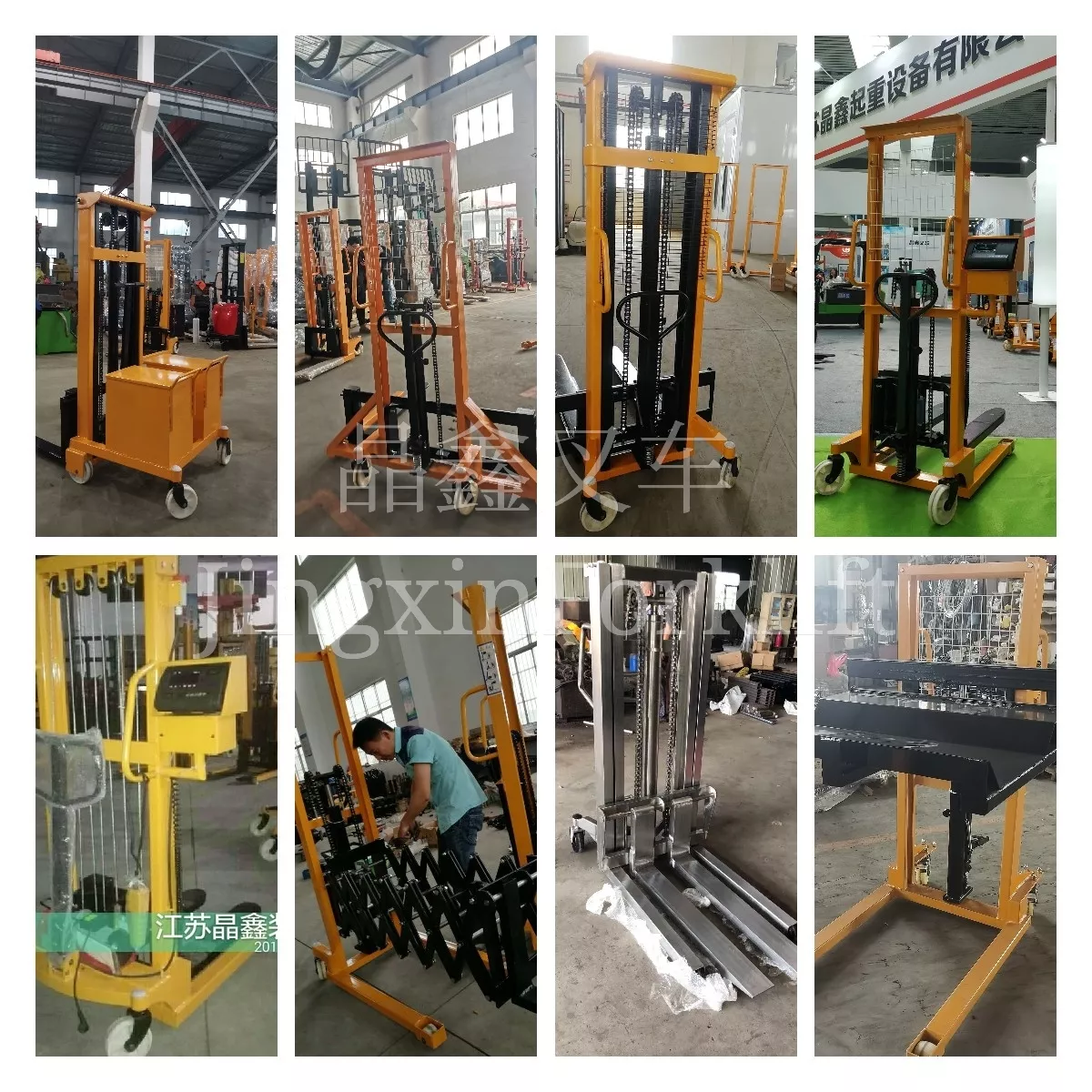 10Custom case
 21Company's View
 10Certificate
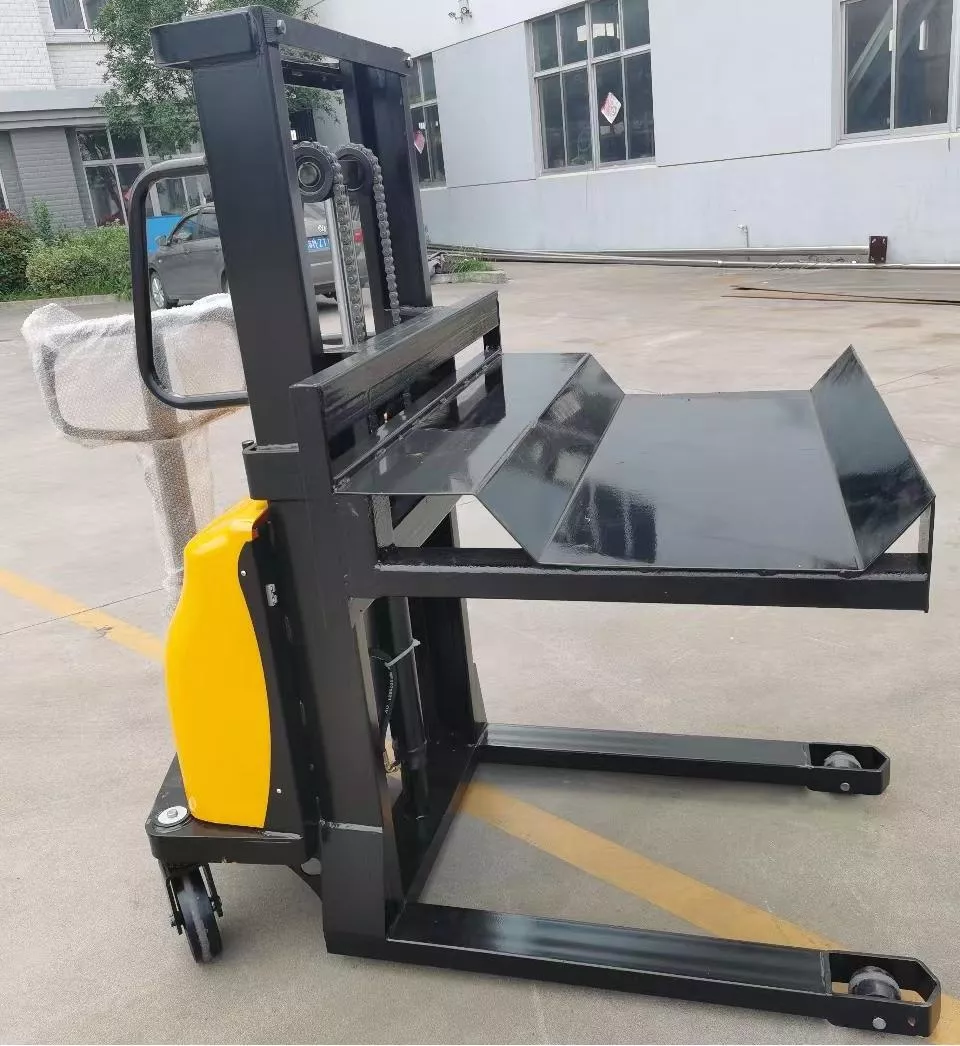 14Paper/Printing Factories
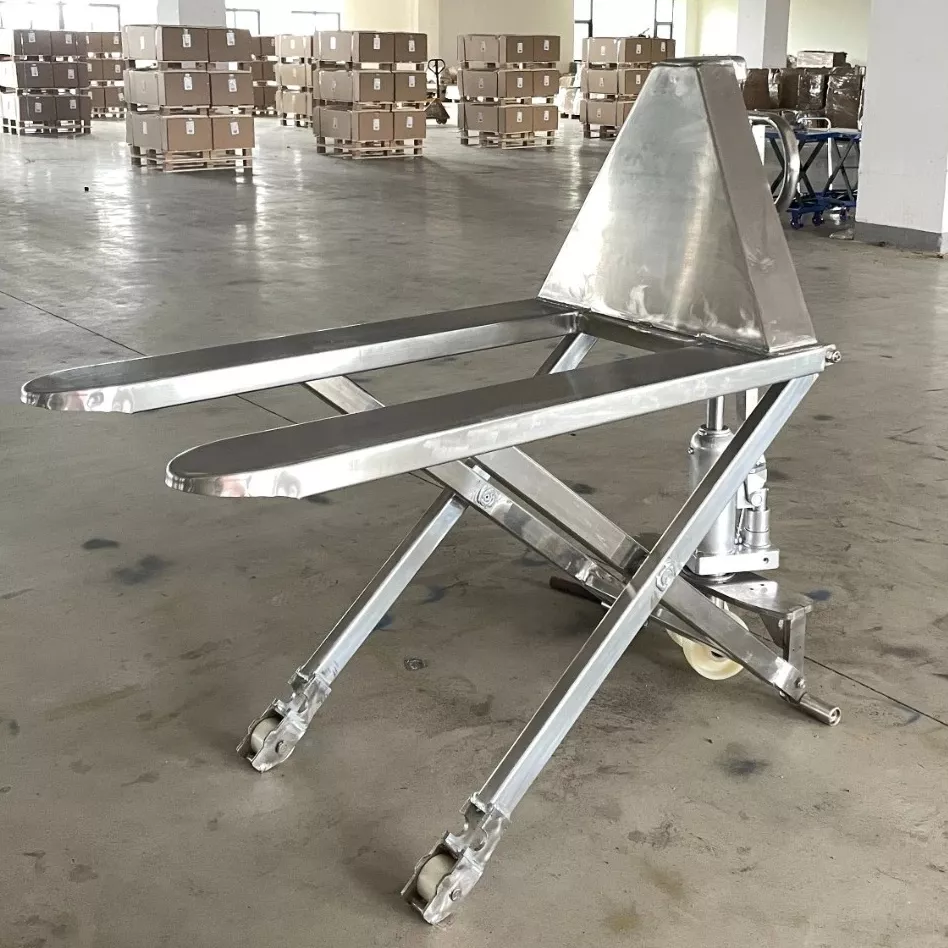 5Stainless steel material handling equipment
- 10Custom case
- 21Company's View
- 10Certificate
- 14Paper/Printing Factories



