In the modern warehousing and logistics industry, the selection of material handling equipment is crucial for improving efficiency and reducing costs. As a type of equipment that has gained increasing popularity in recent years, the semi-electric stacker has become an ideal choice for many enterprises due to its characteristics of flexible operation and economic practicality. This article will provide a detailed introduction to the working principle, advantages, application areas of the semi-electric stacker, as well as how to select the appropriate equipment, helping you make a wise investment decision.
I. Working Principle of the Semi-electric Stacker
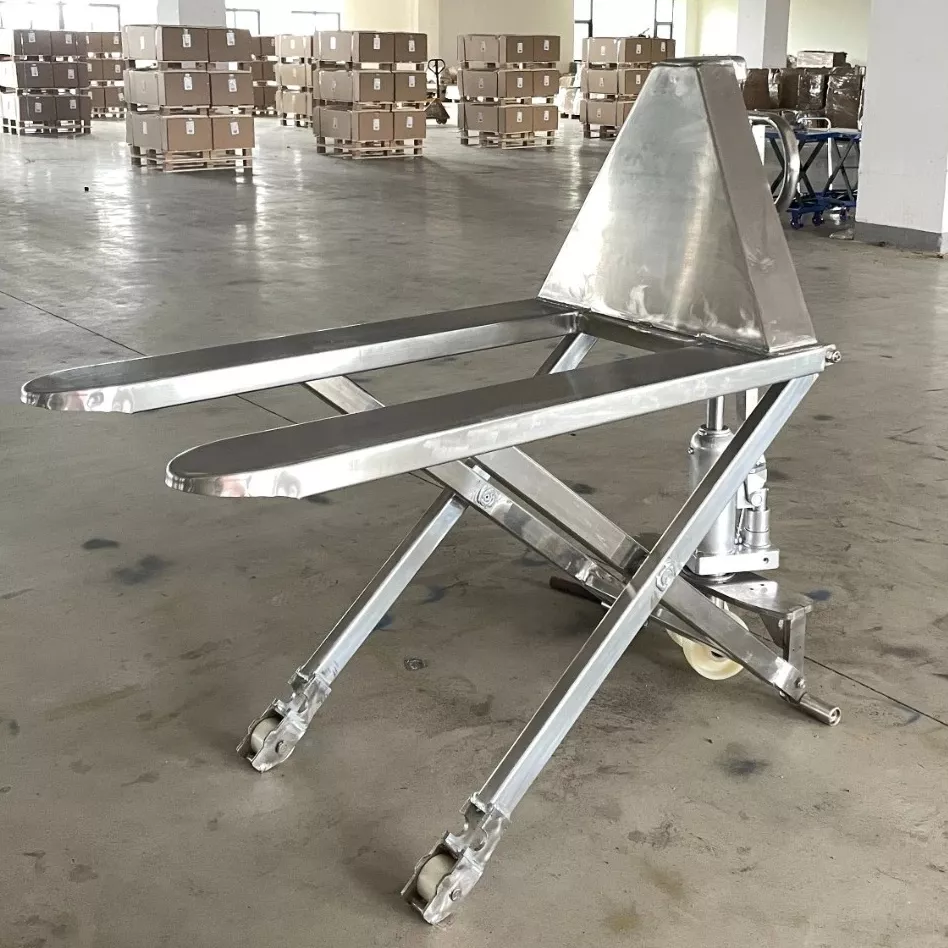
The semi-electric stacker is a stacking and handling equipment driven by electricity, mainly consisting of a frame, forks, an electric lifting system, and a human-machine interface. The operator controls the lifting and movement of the forks through the controller, and can quickly and effectively stack goods on the shelves or move goods on the ground.
Semi-electric stackers are usually powered by batteries, and can operate without emissions and with low noise during use, making them very suitable for use in indoor environments. Moreover, most semi-electric stackers have a relatively small turning radius and can operate flexibly in narrow spaces, which is particularly important for some warehouses with limited space.
II. Advantages of the Semi-electric Stacker
Flexibility
One of the major advantages of the semi-electric stacker is its operational flexibility. Traditional forklifts are relatively large in size and not very convenient to operate, while the semi-electric stacker is smaller in size and moderate in weight, making it very suitable for material handling and stacking operations in narrow environments.
Cost-effectiveness
Compared with fully
electric forklifts, the procurement and maintenance costs of semi-electric stackers are relatively low. They are simple to maintain and have a low failure rate. In most cases, only regular charging and inspection are required, which reduces the operating costs of enterprises. In addition, due to its high-efficiency operation performance, it can complete more handling and stacking tasks in a short period of time, thus improving work efficiency.
Simple Operation
The design of the semi-electric stacker focuses on ergonomics, and the operation interface is user-friendly and easy to master. Even novice operators can quickly master the operation skills through simple training, reducing the training time and cost. This is especially important for enterprises that need to frequently replace operators.
Energy Conservation and Environmental Protection
Modern semi-electric stackers usually use high-efficiency batteries, which have a long battery life and high charging efficiency. Compared with traditional fuel forklifts, the use of semi-electric stackers greatly reduces the emission of greenhouse gases, which is in line with the current strategic goal of sustainable development of enterprises.
III. Application Areas of the Semi-electric Stacker
The semi-electric stacker has a wide range of applications, covering multiple industries, including but not limited to:
Warehousing and Logistics
In the warehousing and logistics industry, the semi-electric stacker is mainly used for handling, stacking, and unloading. Its excellent flexibility and operation performance enable it to effectively shorten the loading and unloading time and improve the turnover efficiency of the warehouse in the complex environment of shelves and goods stacking.
Manufacturing Industry
In the manufacturing industry, the semi-electric stacker can be used for the handling of raw materials and finished products. Its auxiliary grasping function makes it easier to handle large or heavy parts in the workshop.
Retail Industry
In the retail industry, the application of the semi-electric stacker can optimize inventory management. By making rational use of the stacker, storage can be optimized in the limited sales space, and the efficiency of accessing goods can be improved, thus enhancing customer satisfaction.
Construction Industry
In the construction industry, the semi-electric stacker can also help with the handling of construction materials, such as cement bags, bricks, etc., reducing the pressure of manual handling and improving construction efficiency.
IV. Selecting the Appropriate Semi-electric Stacker
When purchasing a semi-electric stacker, enterprises should consider the following factors to ensure the selection of the appropriate equipment:
Load Capacity
Select an appropriate load capacity according to the material handling needs of the enterprise. Different stackers are designed to bear different weights. Choosing the correct specification can avoid the overloading operation of the equipment and reduce the risk of failure.
Fork Arm Length
The length of the fork arm directly affects the adaptability of the stacker in different environments. In narrow spaces, a shorter fork arm is more flexible, while in the handling of large goods, a longer fork arm can provide a larger working surface.
Lifting Height
Different semi-electric stackers have different lifting capabilities. Enterprises should select the appropriate equipment according to the height of their shelves or storage needs to ensure the best storage efficiency.
Battery Type and Battery Life
Understanding the performance of different types of batteries and selecting the appropriate battery is crucial for improving the work efficiency of the stacker. Enterprises should choose a battery type with a long battery life to meet the needs of long-term operation.
Maintenance and After-sales Service
The maintenance of the equipment and after-sales support are particularly important. Selecting a supplier with a good service system can ensure that support can be obtained quickly when the equipment has problems, avoiding production stagnation.
V. Conclusion
In general, the semi-electric stacker has become an indispensable tool for modern enterprises in the field of material handling due to its flexible operation and excellent cost-effectiveness. With the continuous progress of science and technology, the performance of the semi-electric stacker is also constantly improving, and its application in various industries will be more extensive in the future. When investing in equipment, enterprises should fully understand their own needs and select the appropriate semi-electric stacker to achieve higher work efficiency and lower operating costs.
Whether in the warehousing, logistics, manufacturing, or retail industry, the semi-electric stacker can help enterprises optimize the logistics process and enhance their industry competitiveness. If you are also considering how to improve handling efficiency, the semi-electric stacker is undoubtedly an ideal choice worthy of investment.


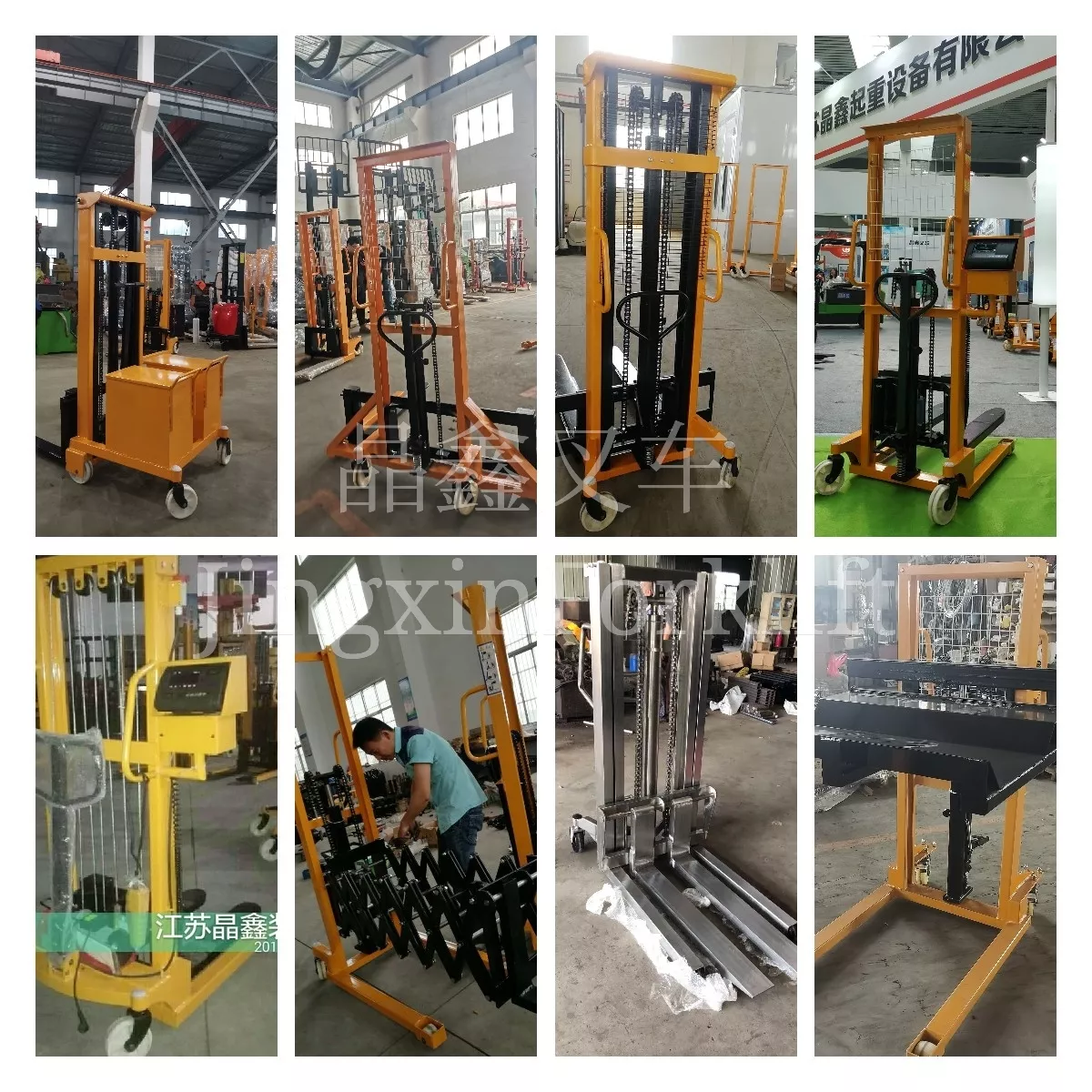 10Custom case
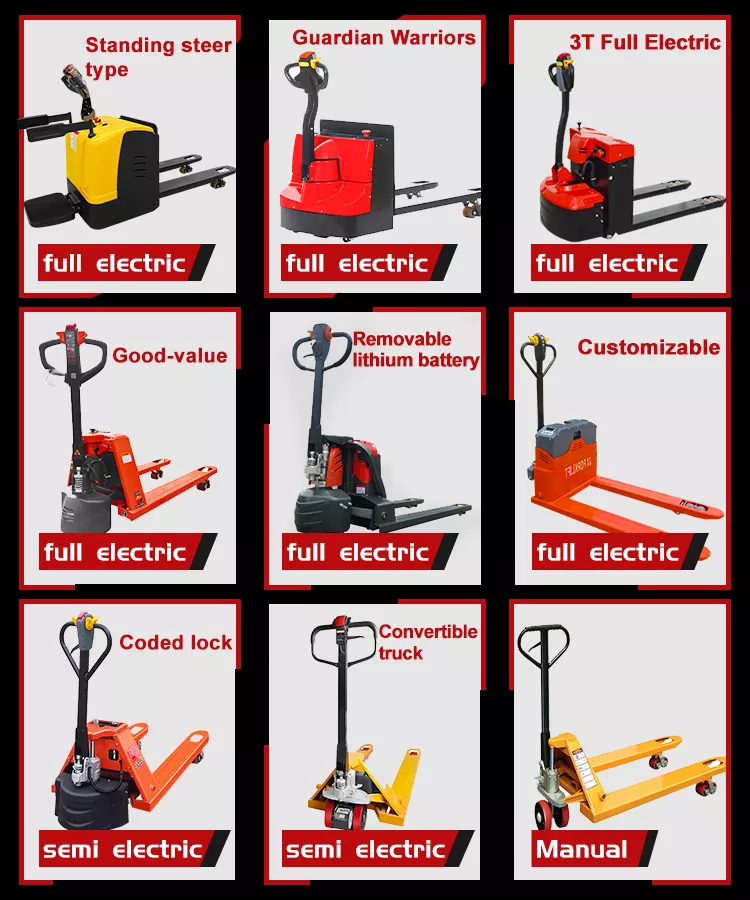 21Company's View
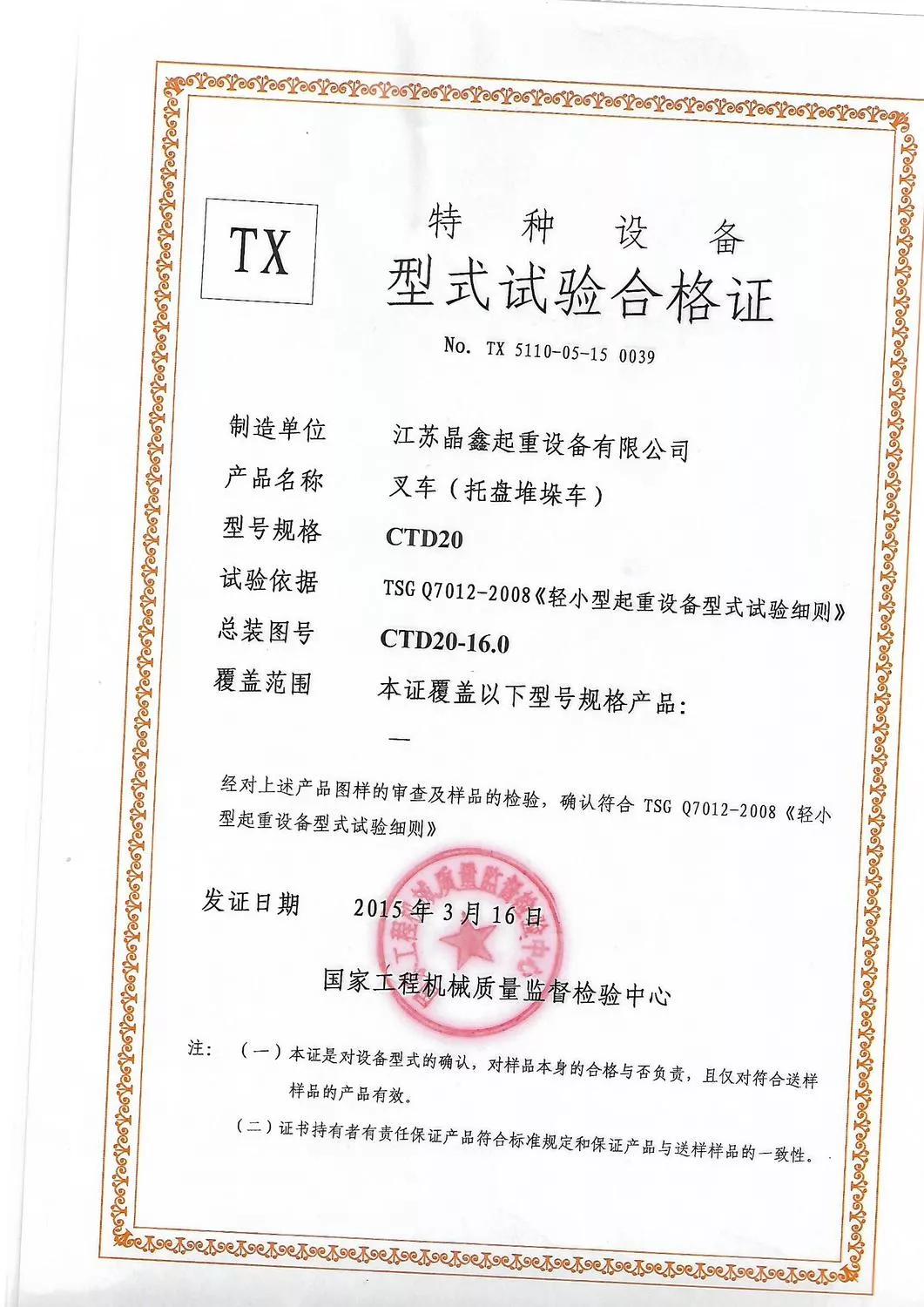 10Certificate
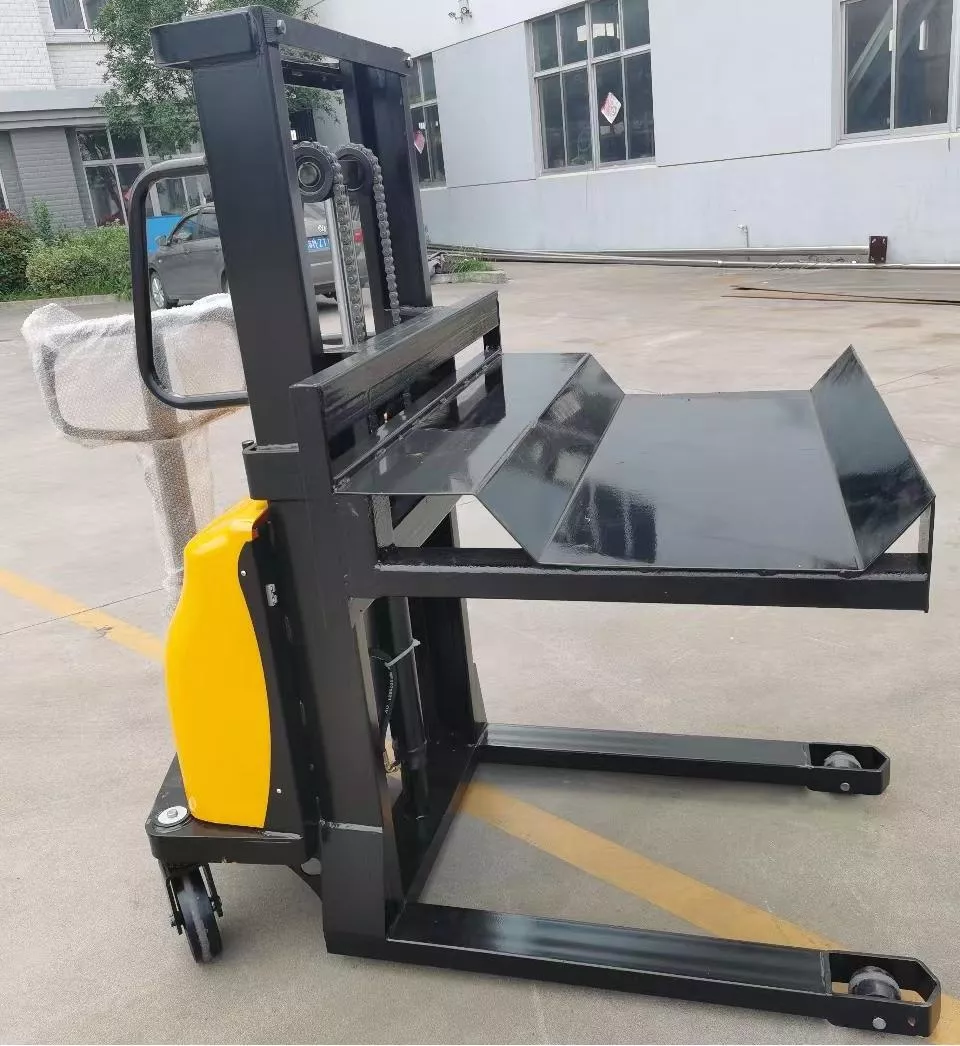 14Paper/Printing Factories
 5Stainless steel material handling equipment



