Fully Electric Legless Counterbalanced Stacker: A New Choice for Enhancing Logistics Efficiency
In the rapid development of the modern logistics industry, enterprises require increasingly efficient and flexible equipment to meet the growing demand for material handling. The fully electric legless counterbalanced stacker, as an emerging high-efficiency handling tool, is gradually becoming the preferred choice for major logistics companies, warehousing centers, and industrial enterprises. This article will delve into the design features, working principles, advantages, and real-world performance of this equipment, helping you better understand this new powerhouse in efficient logistics handling.
I. Design Features of Fully Electric Legless Counterbalanced Stackers
Fully electric legless counterbalanced stackers not only boast an appealing exterior design but also excel in functionality and practicality compared to traditional equipment. Their key design features include:
High-Efficiency Electric Power System: Equipped with high-performance batteries, these stackers provide continuous, robust power to support prolonged operation, minimizing downtime due to power depletion. The electric drive system also ensures quieter and more environmentally friendly operation, aligning with modern enterprises' sustainability goals.
Legless Design: Unlike traditional stackers, fully electric legless counterbalanced stackers feature a legless design, enabling flexible movement in confined spaces and enhancing safety and stability during stacking. This design optimizes space utilization, making storage and retrieval in crowded warehouses more efficient.
Ergonomic Design: The stacker features an ergonomically designed control console, allowing operators to perform all tasks with ease and reducing fatigue during extended use. Additionally, its adjustable height design accommodates operators of varying heights.
Intelligent Control System: Fully electric legless counterbalanced stackers are equipped with advanced intelligent control systems that monitor the vehicle's operational status and battery life in real time, providing detailed operational information via an LCD display for precise control. Some models also support remote control and data analysis, enhancing management efficiency.
II. Working Principles and Performance Advantages
The working principle of fully electric legless counterbalanced stackers is simple yet highly efficient. Powered by electric motors, these stackers facilitate vertical and horizontal movement of materials. Their counterbalanced design optimizes the center of gravity distribution, ensuring exceptional stability even at elevated heights.
High Lifting Efficiency: These stackers can complete stacking and retrieval tasks in record time, boosting overall productivity. Their lifting height typically exceeds 5 meters, easily meeting the requirements of most warehouses.
Outstanding Climbing Ability: Equipped with excellent adaptability to various ground conditions, these electric stackers can handle both flat surfaces and gentle slopes, ensuring safe material handling.
Safety Design: The stackers are equipped with multiple safety protection systems, such as overload protection, emergency stop buttons, and rear lights, ensuring operator safety and preventing damage to goods.
Low Maintenance Costs: With a relatively simple structure and fewer components, the maintenance of fully electric legless counterbalanced stackers is straightforward, reducing long-term maintenance costs for enterprises.
III. Applications
Fully electric legless counterbalanced stackers are suitable for a wide range of industries requiring material handling. Specific applications include:
Logistics and Warehousing: In large logistics centers, the high-efficiency handling capabilities of stackers significantly reduce cargo processing time and improve shipping efficiency.
Manufacturing: In factory workshops, stackers facilitate the handling of raw materials and stacking of finished products, reducing labor costs and ensuring continuous production processes.
Retail and Supermarkets: In the retail sector, stackers are used for replenishing and handling goods, particularly in large supermarkets or warehouses, enhancing work efficiency and customer shopping experiences.
Logistics Centers and Ports: In import/export operations, stackers can significantly speed up loading and unloading, effectively meeting peak logistics demands.
IV. Future Development Trends
With the continuous advancement of technology, fully electric legless counterbalanced stackers will continue to evolve towards intelligence, automation, and humanization. Future trends may include:
Enhanced Intelligence: Through the development of the Internet of Things (IoT), stackers can achieve more intelligent scheduling, with data analysis aiding enterprises in making informed decisions.
Application of New Energy: The future may see the introduction of more environmentally friendly and efficient new energy technologies to reduce energy consumption and operating costs.
Greater Compatibility: Continuously optimized designs will enable stackers to seamlessly integrate with other logistics equipment, forming a more efficient logistics chain.
Improved User Experience: Through ongoing optimization of driving and maintenance experiences, user satisfaction with fully electric legless counterbalanced stackers will continue to rise.
Conclusion
Fully electric legless counterbalanced stackers, with their unique design, exceptional performance, and adaptability, are becoming an indispensable tool in the modern logistics handling industry. As technology continues to innovate, these devices will undoubtedly bring more efficient and environmentally friendly handling solutions to various industries. When selecting equipment, enterprises should fully consider their overall working environment and needs to better leverage this new technology and support the enhancement of logistics management.


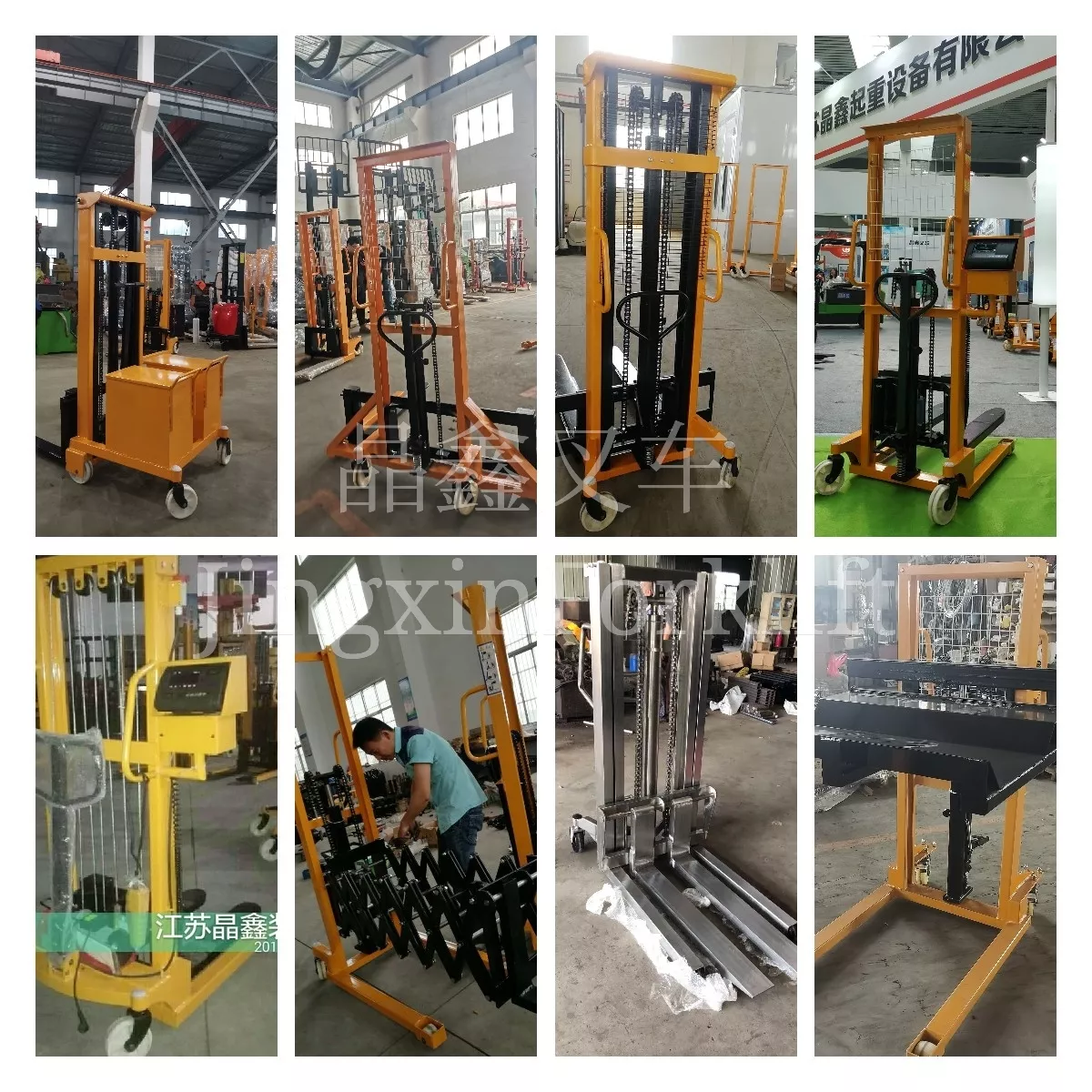 10Custom case
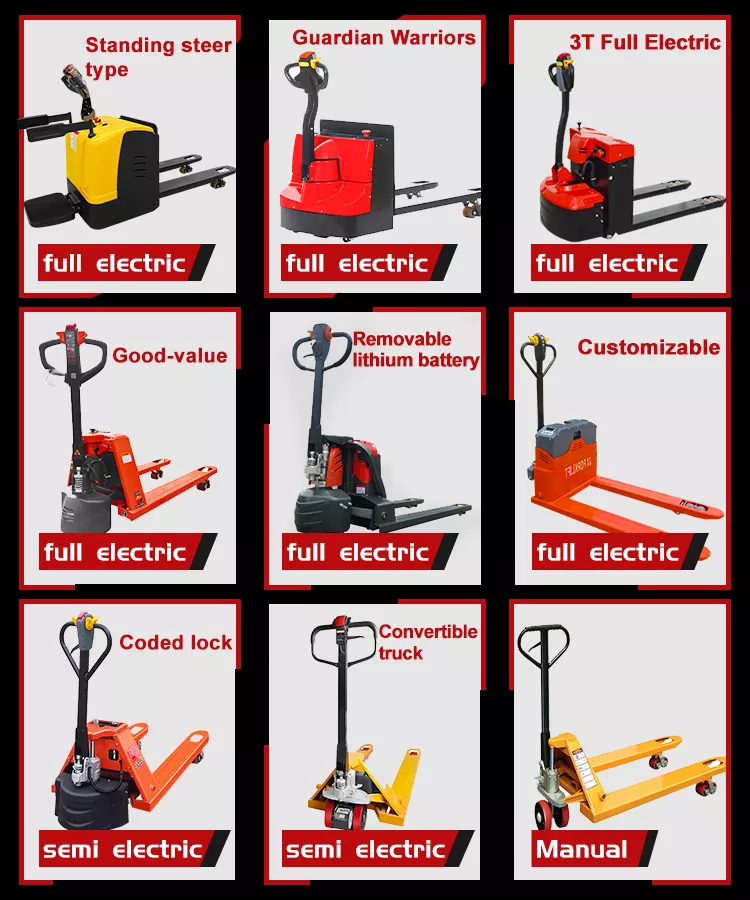 21Company's View
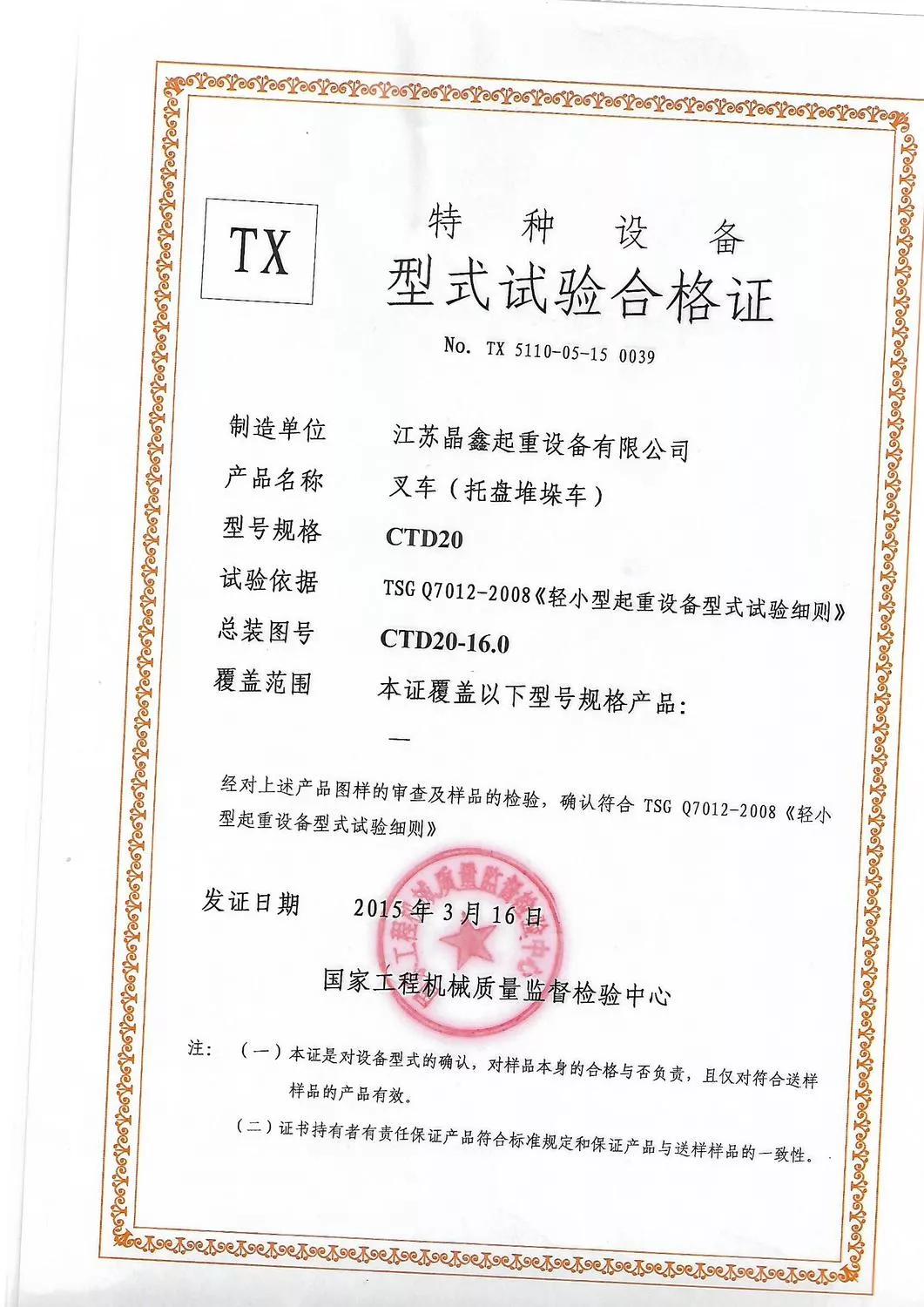 10Certificate
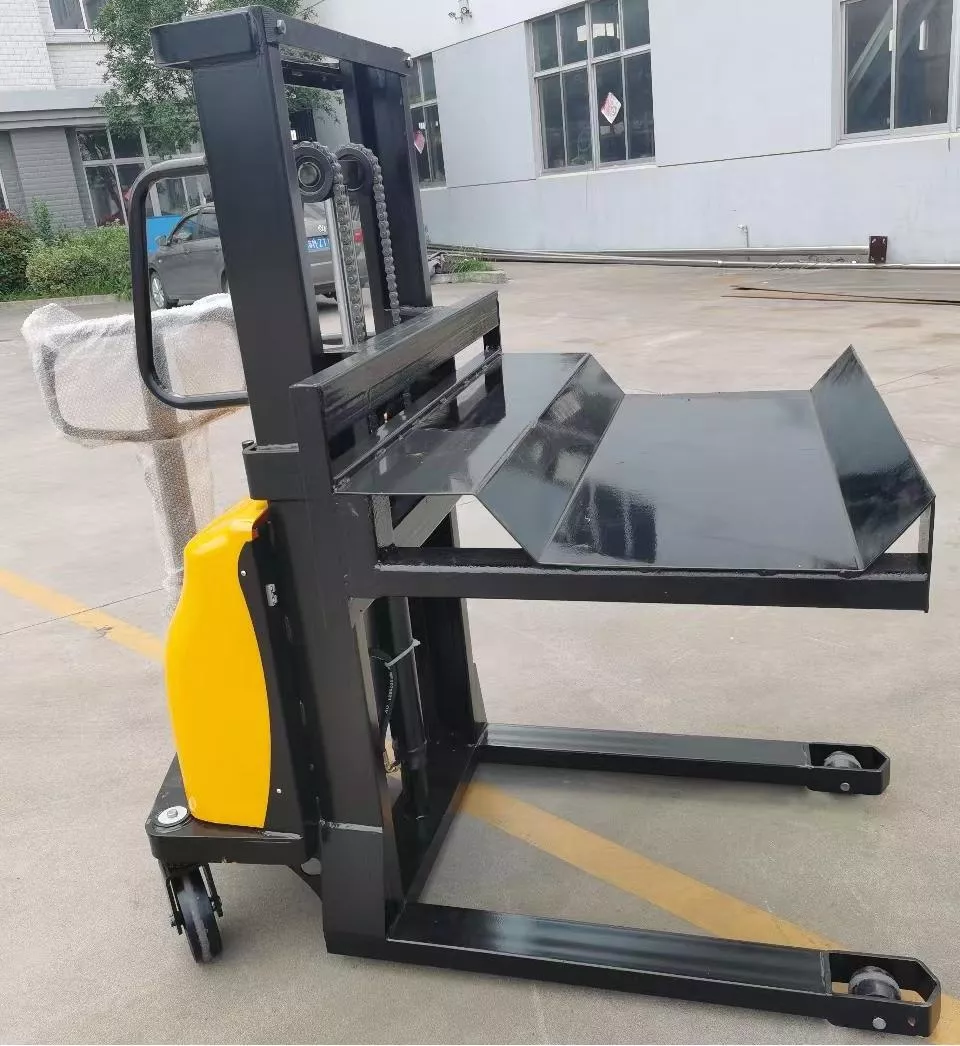 14Paper/Printing Factories
 5Stainless steel material handling equipment
- 10Custom case
- 21Company's View
- 10Certificate
- 14Paper/Printing Factories



