Application and Maintenance of Reach Trucks: A Comprehensive Guide You Can Rely On
In modern logistics and warehousing management, reach trucks are increasingly adopted by more and more enterprises due to their excellent performance and flexible application. The unique design of this equipment enables it to operate efficiently even in narrow spaces, greatly improving the efficiency of warehousing and the safety of operations. This article will comprehensively analyze the application scenarios, advantages, and maintenance key points of reach trucks, helping you maximize their potential.
I. Overview of Reach Trucks
The reach truck, also known as the reach lithium-ion stacker, is an electric stacking equipment that can lift goods vertically and has the function of moving forward. It is composed of parts such as the vehicle body, power system, lifting system, and steering system, and has the characteristics of high efficiency, energy conservation, and easy operation. According to the diversity of market demands, reach trucks can also be divided into multiple types, including heavy-duty, light-duty, and multi-functional types.
The working principle of the reach truck is relatively simple. The electric motor drives the lifting system, and through the chain and gear structure, the fork can be lifted to the required height. At the same time, the forward movement function allows the forklift to move the goods forward to the front of the vehicle body while lifting and loading the goods, improving the operation efficiency.
II. Application Fields of Reach Trucks
Reach trucks can be widely applied in multiple industries, especially standing out in the following fields:
Warehousing and Logistics: In warehouses, reach trucks can quickly and efficiently complete the handling and stacking of goods. Due to their strong flexibility, they are suitable for operating in narrow aisles, greatly improving the space utilization rate.
Production and Manufacturing: Beside the production line, reach trucks can quickly transfer raw materials or finished products, shortening the logistics time and making the production process smoother.
Retail Industry: Many supermarkets and large shopping malls use reach trucks for replenishing and allocating goods. Its flexible operation characteristics can meet the frequent needs of inbound and outbound operations.
Synthetic and Chemical Industries: In these industries, due to the variety of materials and the particularity of the environment, reach trucks are widely used for the transfer of hazardous materials because of their stability and safety.
III. Advantages of Reach Trucks
Reach trucks have shown many advantages in application, specifically including:
Flexibility: Through the design of the vehicle body moving forward, it can be operated in narrow spaces, improving the convenience of goods access.
High Efficiency: The lifting speed and forward movement ability of reach trucks make the handling operation faster, reducing working hours and improving work efficiency.
Safety: This equipment is usually equipped with multiple safety protection functions, such as the anti-tipping stability design, braking system, and warning lights to ensure operation safety.
Energy Conservation and Environmental Protection: Most reach trucks are powered by batteries. Compared with fuel power, they are more environmentally friendly and can also reduce the operation noise.
IV. Maintenance Key Points of Reach Trucks
In order to ensure that reach trucks can operate efficiently for a long time, regular maintenance and upkeep are essential. The following are several important maintenance key points:
Daily Inspection: Before each use, the operator should conduct a comprehensive inspection of the vehicle, including tires, brakes, the lifting system, indicator lights, and the emergency stop switch, etc., to ensure the normal operation of the equipment.
Regular Maintenance: It is recommended to refer to the maintenance manual provided by the manufacturer and carry out lubrication, tightening, and cleaning according to the specified cycle, especially for the lifting system and the battery part.
Battery Maintenance: The battery is the power source of the electric stacker. It is necessary to regularly check the battery power, keep the battery clean, and ensure that the connectors are stable to avoid battery wear.
Tire Maintenance: Tires are an important part of the equipment. Maintain the appropriate tire pressure and replace the severely worn tires regularly to ensure safe and efficient use.
Operator Training: Regularly train the operators, which can not only improve their operation skills but also enhance their safety awareness and reduce safety accidents.
V. Future Development Trends
With the development of technology, reach trucks are also constantly innovating and upgrading. For example, unmanned reach trucks with automated technology have already been applied in large-scale warehousing centers. Through the intelligent dispatching system, efficient handling without human presence can be achieved. This not only improves the accuracy of operation, reduces labor costs but also reduces the safety risks caused by human operation.
In addition, with the enhancement of environmental awareness, the battery technology of reach trucks is also constantly advancing. In the future, it will tend to have a higher energy density and charging speed, making the equipment not only more efficient but also gradually reducing the usage cost.
In conclusion, reach trucks play an indispensable role in modern logistics. Their flexibility, high efficiency, and safety make them shine in different industries. Through correct maintenance and upkeep, the performance of the equipment can be further improved, better meeting the needs of enterprises for efficient logistics. Facing the future and embracing technological development, reach trucks will continue to contribute to the vigorous development of all industries.


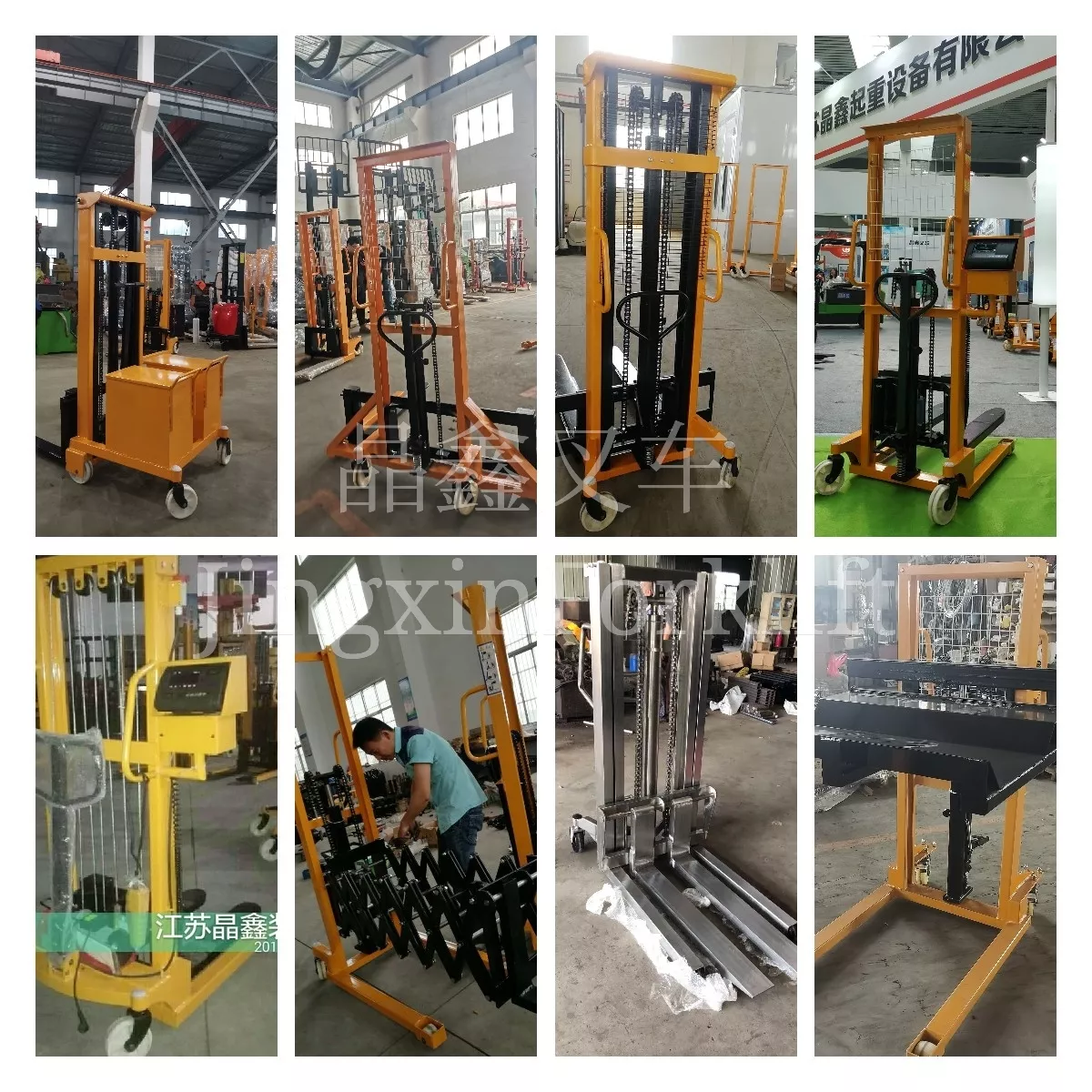 10Custom case
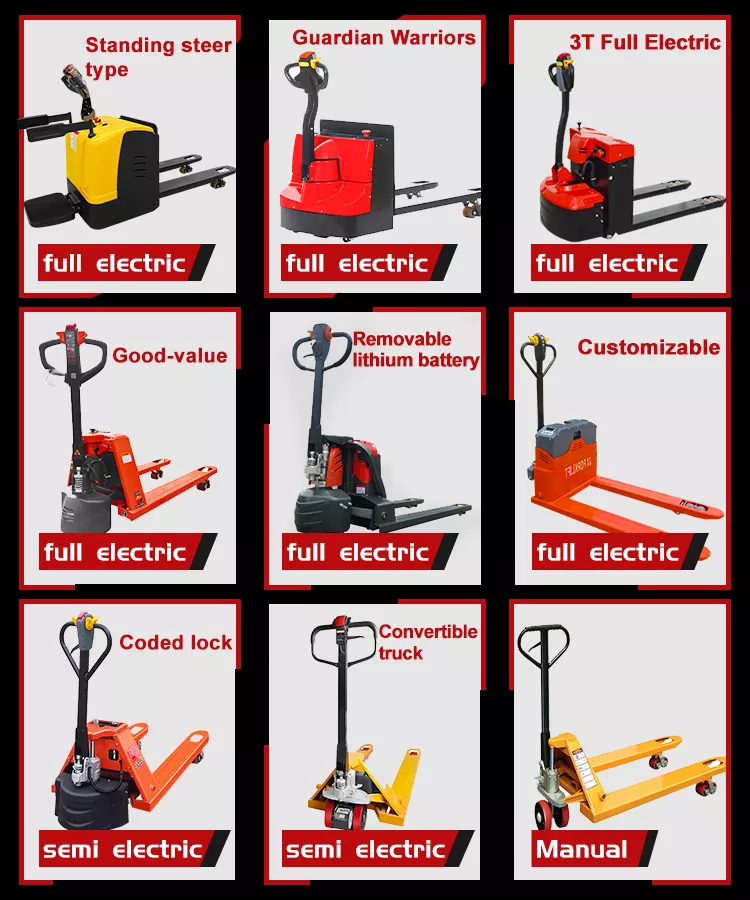 21Company's View
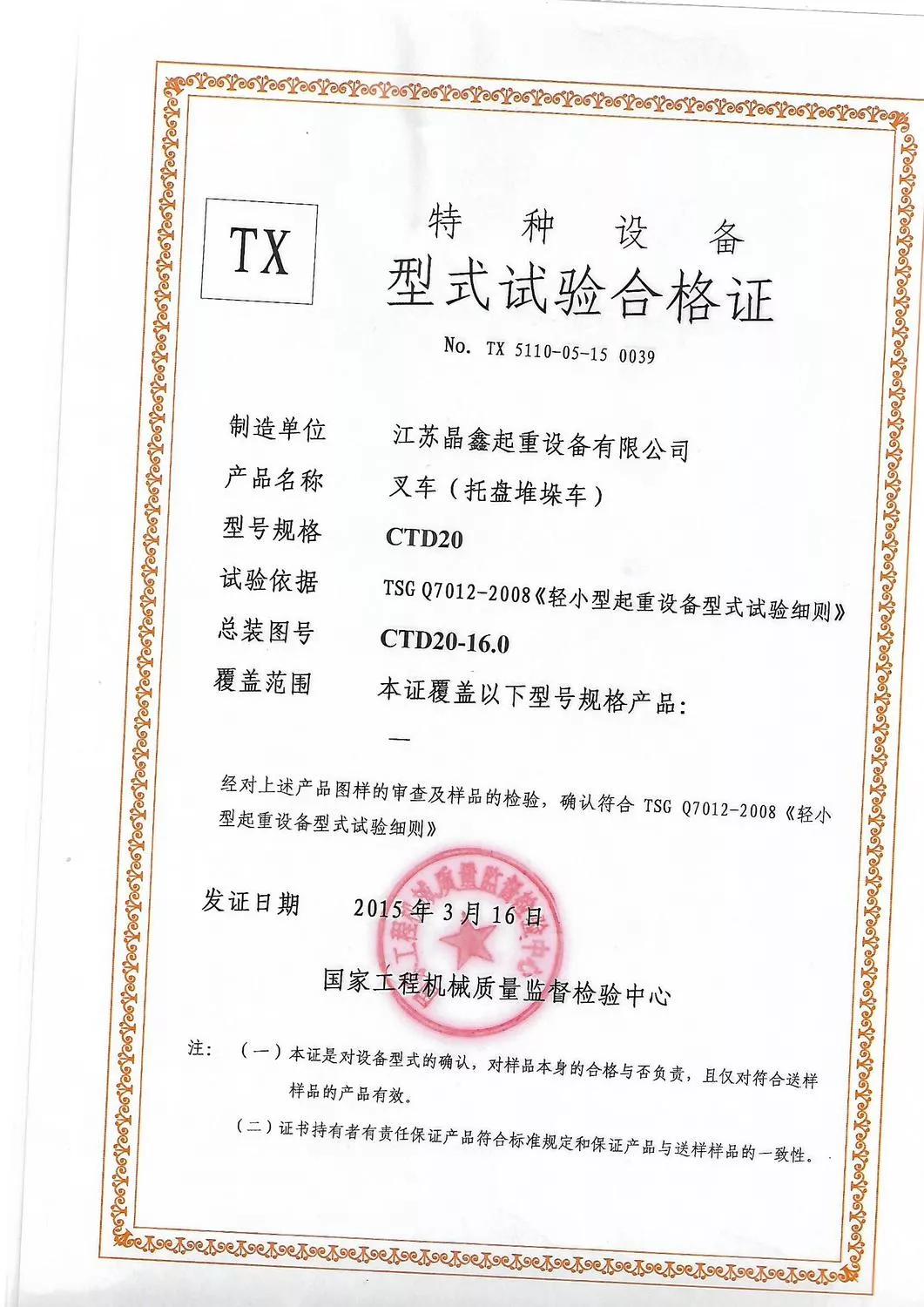 10Certificate
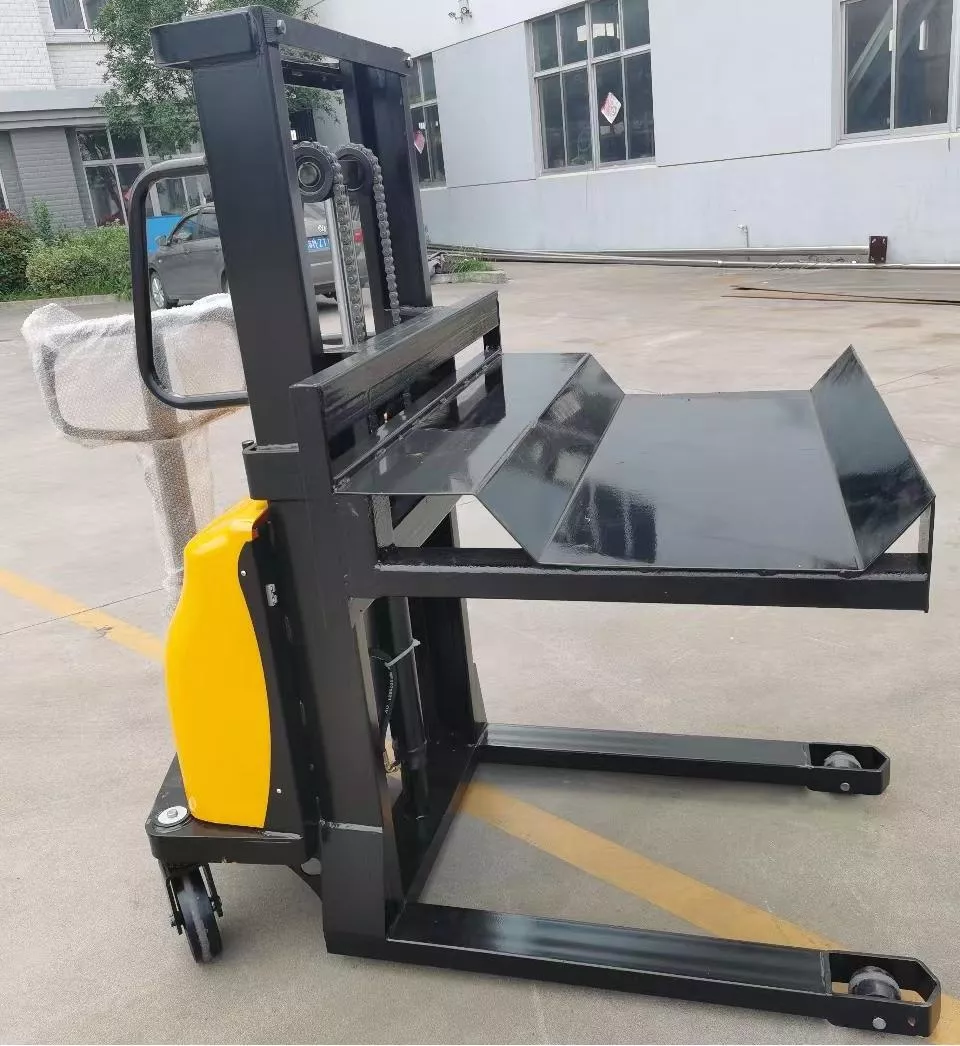 14Paper/Printing Factories
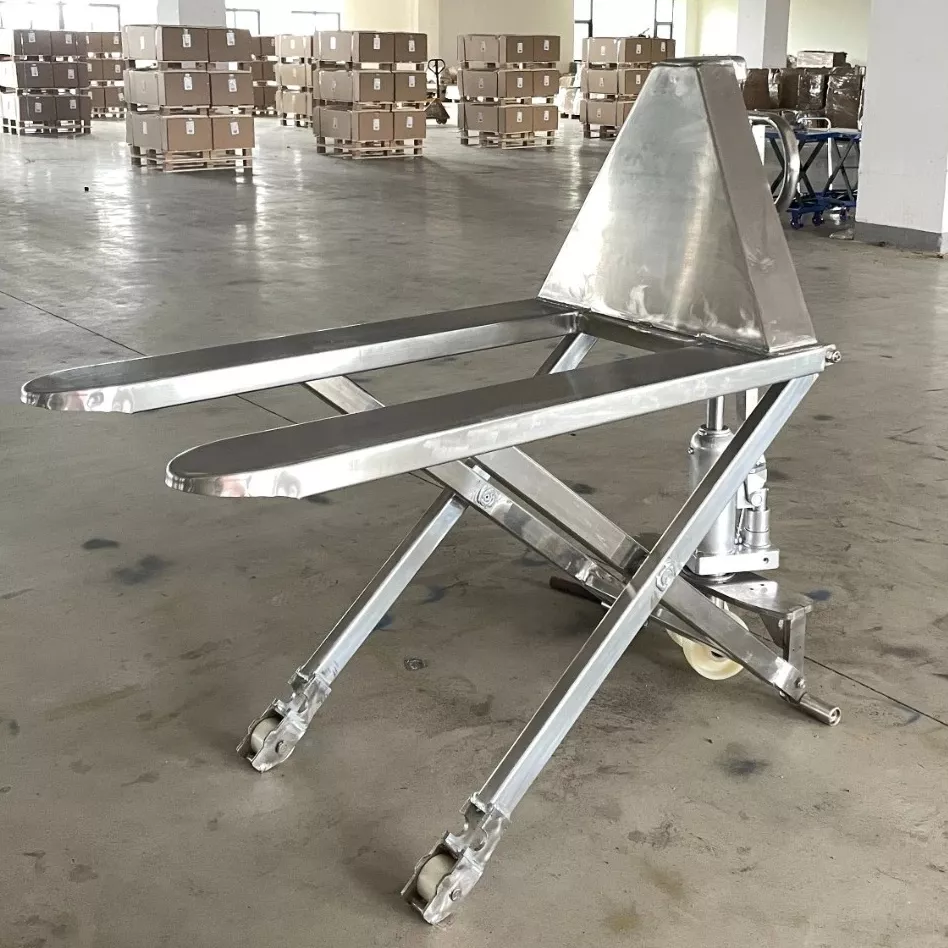 5Stainless steel material handling equipment
- 10Custom case
- 21Company's View
- 10Certificate
- 14Paper/Printing Factories



