Comprehensive Guide to Daily and Periodic Maintenance of Electric Forklifts
The maintenance and care of electric forklifts is crucial for ensuring their safe and efficient operation. Below are some specific maintenance measures:
Daily Maintenance and Care
Surface Cleaning: Keep the forklift surface clean and free of debris to prevent debris from entering the forklift interior and causing clogging. After daily use, clean the dust and dirt on the forklift body, cab, and various components, with a focus on key parts such as the fork carriage, mast slideways, generator, starter, battery, water tank, and air filter.
Tightening Inspection: Regularly check the tightness of various parts, especially the main parts such as the fork carriage support, lifting chain tension screws, wheel screws, wheel retaining pins, brakes, and steering gear screws, to ensure no loosening or detachment.
Component Inspection: Inspect the forklift's appearance for signs of wear, observe whether its working efficiency has decreased, and check whether all components are intact. If any abnormalities are found, they should be repaired or replaced promptly.
Battery Maintenance:
Check the battery electrolyte level before daily use to ensure proper battery charging and tight cable connections.
Use a matching charger and follow the manufacturer's recommended charging time and method to avoid overcharging or undercharging.
Charge the battery in a well-ventilated environment to prevent the electrolyte temperature from exceeding 50°C during charging.
Regularly check the electrode connections for green oxides and clean them promptly to prevent low battery power.
Avoid excessive discharging, and charge the battery promptly when its power is below 20%.
Tire Inspection: Check the tires for debris and use compressed air to blow away dust. Also, inspect the tires for cracks or abnormal wear, and replace them if any abnormalities are found.
Undercarriage Inspection: Regularly check the electric forklift's undercarriage for deformation or oil leaks to ensure its stability and safety.
Lubrication: According to the recommendations in the equipment manual, regularly add lubricant to the mechanical components of the forklift to reduce friction and wear, thereby extending component life.
Periodic Maintenance and Care
50-Hour Maintenance:
Replace the hydraulic oil filter.
Check the mast clearance and chain tension.
Replace the transmission oil.
Check the electrolyte specific gravity of the battery.
Inspect the electrical control connections for looseness.
Check individual and total battery voltages.
250-Hour Maintenance:
Inspect the battery pack, electrolyte, and electrolyte specific gravity of the electric truck and clean the battery scale.
Check and replenish the drive axle oil level and hydraulic oil level.
Check and replenish the brake fluid, and inspect the brake performance and synchronization of the tilt cylinder.
Check whether the tire pressure meets the requirements.
Replace the transmission oil.
Replace the transmission oil filter or hydraulic oil filter.
Check the tightness of bolts and nuts on the transmission and motor.
Replenish distilled water in the battery and check the electrolyte specific gravity.
500-Hour Maintenance:
Inspect the front and rear drive axles and replace the gear oil.
Clean the brake master cylinder and slave cylinders, and replace the brake fluid.
Inspect the brake hub and brake pad wear.
Check for abnormal sounds and overheating phenomena in various parts.
Check the limiting conditions of the steering axle to ensure that the steering tires rotate normally at various angles.
Focus on checking the tightness of axle and wheel bolts.
Check the tightness of bolts and nuts on the transmission and motor.
Replenish distilled water in the battery and check the electrolyte specific gravity.
Precautions
During maintenance and care, safety operating procedures should be followed to ensure the safety of personnel and equipment.
Use professional tools and accessories for maintenance and care to avoid equipment damage or failure due to improper use.
Record the details of each maintenance and care session, including the time, content, and replaced components, for subsequent tracking and management.
In summary, the maintenance and care of electric forklifts involve multiple aspects and require regular and strictly regulated operations. Through scientific and reasonable maintenance, the service life of electric forklifts can be extended, and their work efficiency and safety can be improved.


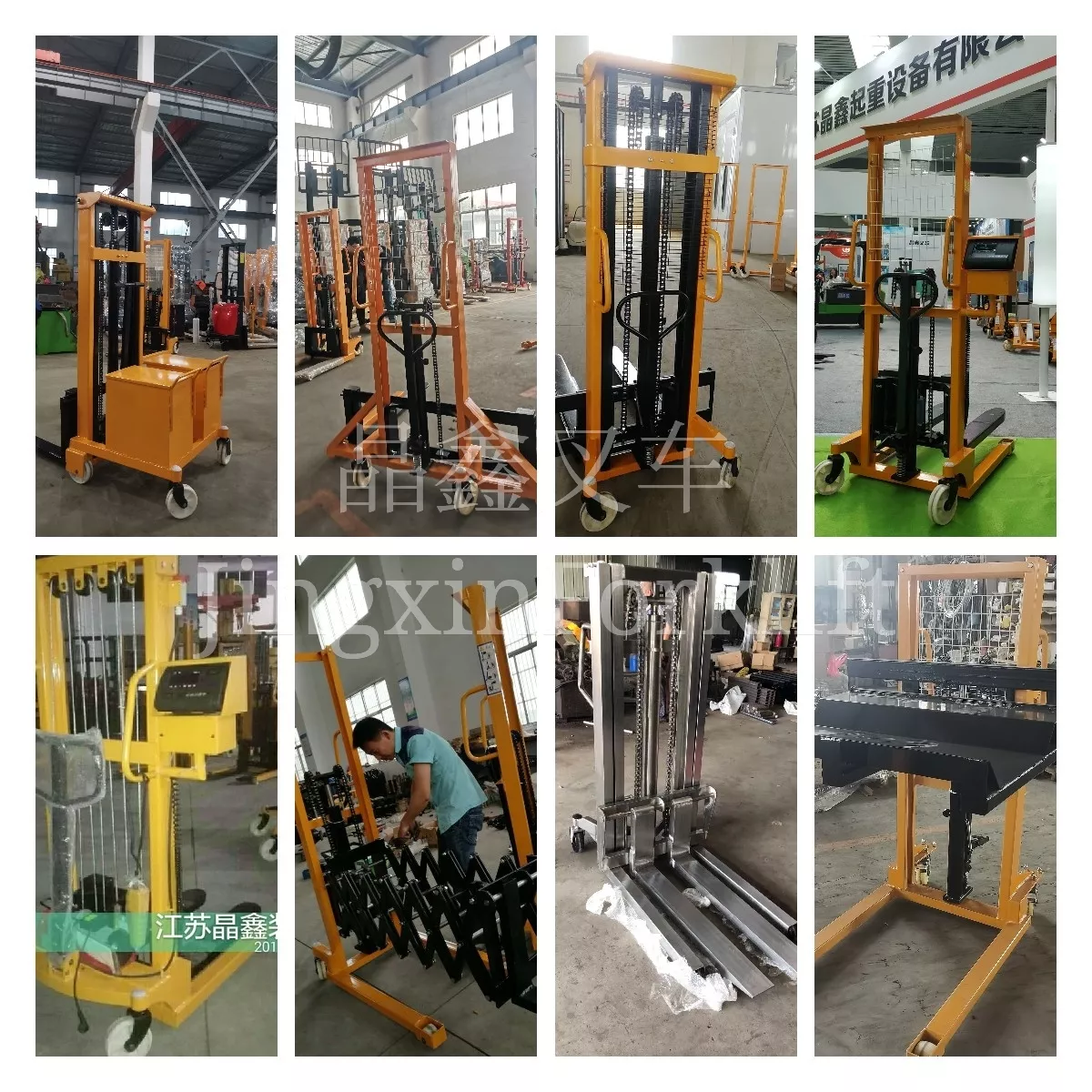 10Custom case
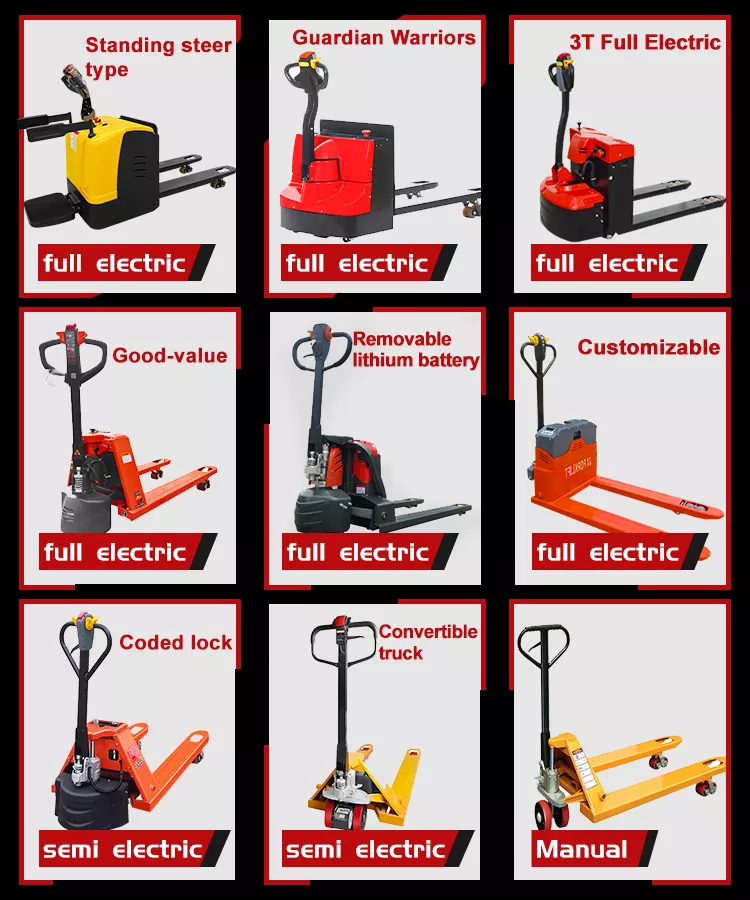 21Company's View
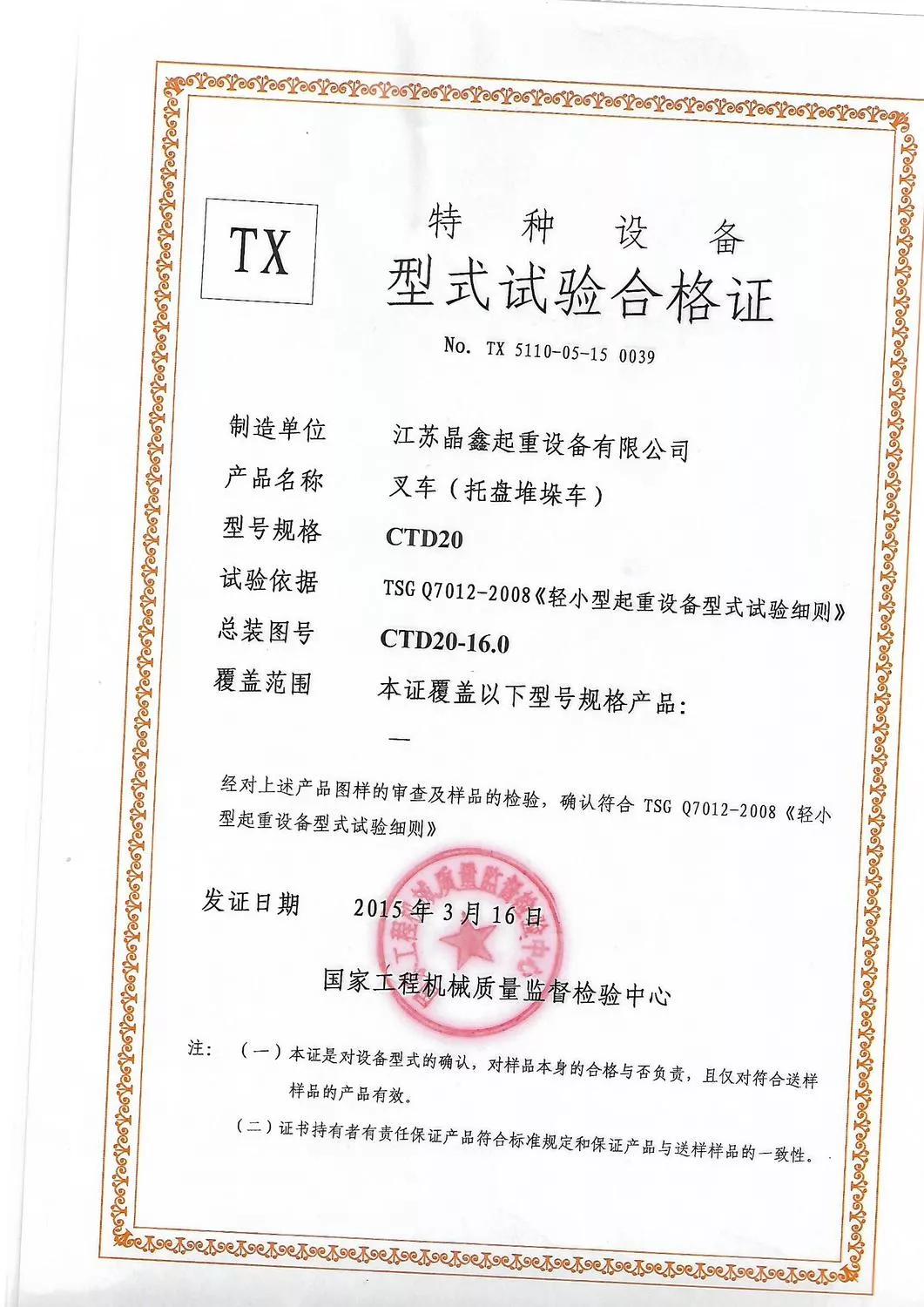 10Certificate
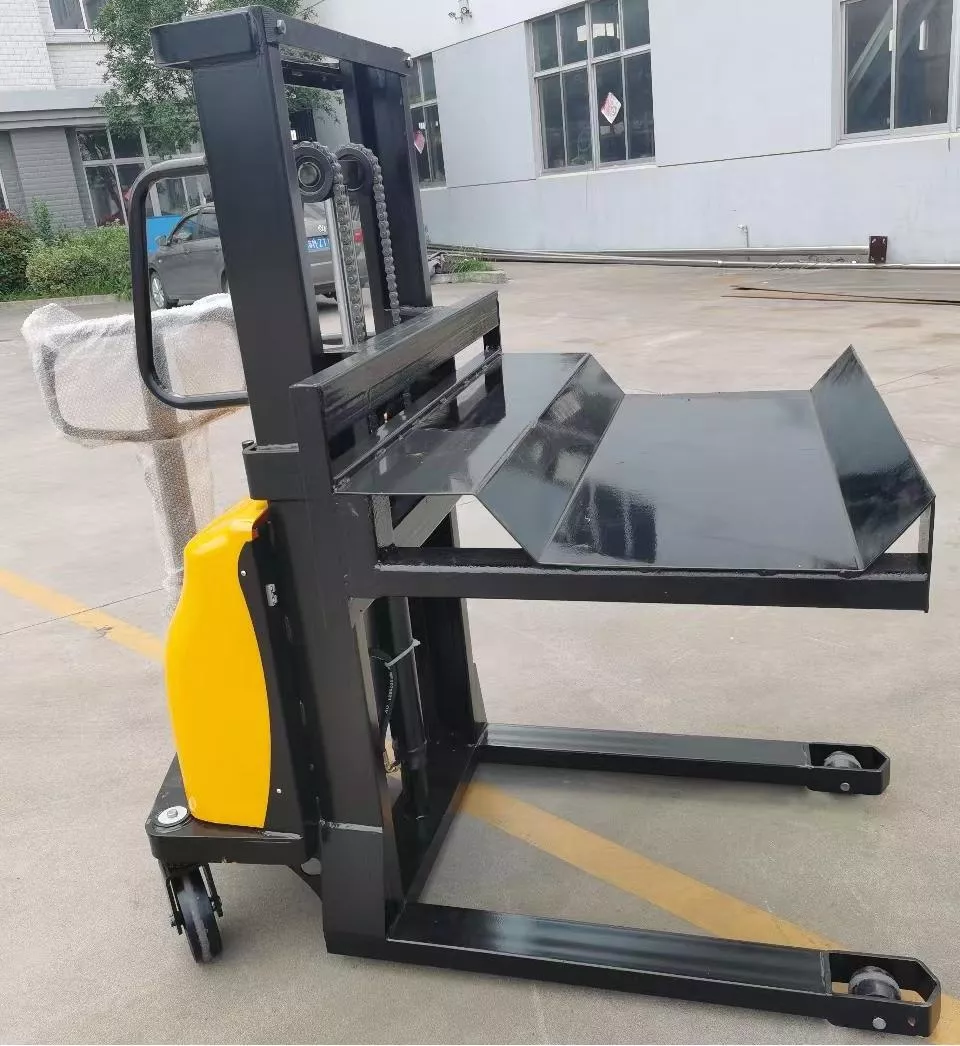 14Paper/Printing Factories
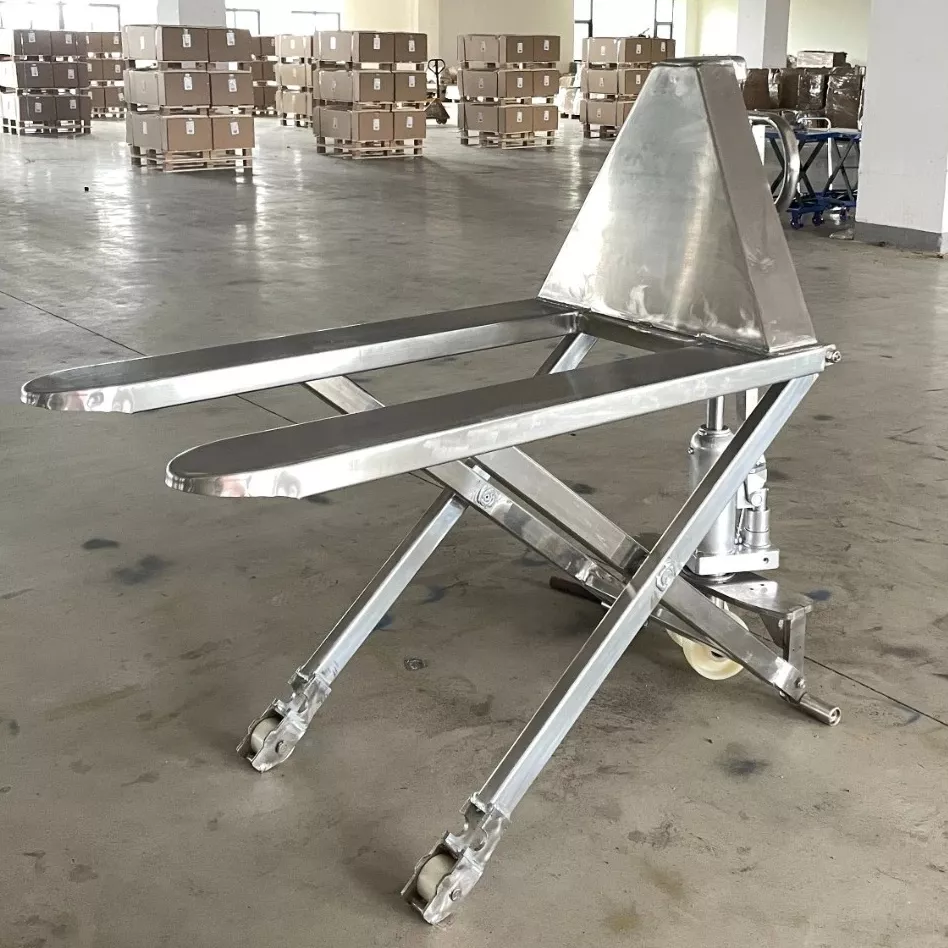 5Stainless steel material handling equipment
- 10Custom case
- 21Company's View
- 10Certificate
- 14Paper/Printing Factories



