A New Engine for Efficient Warehousing: JINGXIN Scissor-Type Reach Stacker Redefines High-Density Storage Operations
JINGXIN Scissor-Type Reach Stacker Redefines High-Density Storage Operations
 |  |
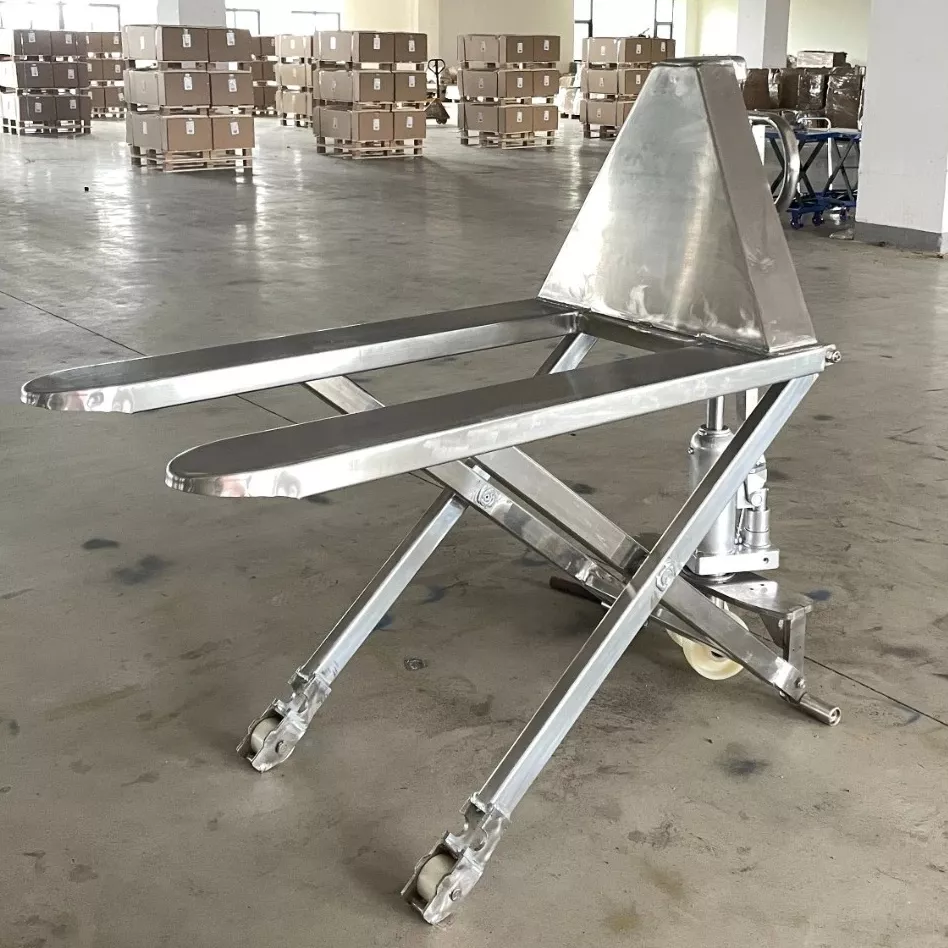
Scissor-Type Reach Mechanism for Effortless Deep Rack Access
Standard chassis design: Balances stability and passability, enabling agile turning in narrow aisles to fit most warehouse layouts.
Graduated reach strokes:
Single scissor version: Reach stroke up to 600 mm, meeting access needs for conventional deep racks.
Double scissor version: Reach stroke extended to 1,000 mm, enabling access to deeper racking and increasing longitudinal warehouse space utilization by over 30%.
Fork & reach combination: Adjusts fork position without moving the vehicle body, aligning with storage positions accurately and eliminating repeated reversing, greatly shortening loading and unloading time.
Humanized Customization for Diverse Operating Scenarios
Side shift device (optional): Forks move left and right for easy position alignment, reducing cargo collision damage, especially ideal for standardized pallet handling.
Electric power steering (optional): Light and smooth steering minimizes fatigue during long-hour operation, significantly improving driving comfort.
Customizable expansion: Configurable with batteries and fork lengths of different specifications to perfectly suit cold chain, e-commerce, manufacturing and other specialized scenarios.
Cost-Effective Design for One-Step Cost Reduction & Efficiency Improvement
Mature scissor structure cuts procurement costs by approximately 40% compared with traditional high-level reach trucks, with simpler maintenance.
High-efficiency motor and battery system deliver lower energy consumption and longer battery life, supporting full-shift operation without frequent charging.
Stable and reliable quality reduces downtime, ensuring higher equipment availability and sustained value creation for enterprises.
E-commerce warehousing centers: Fast access to small parcels and full pallets, compatible with high-density racks to improve picking and shipping efficiency.
Manufacturing warehouses: Storage and retrieval of raw materials, semi-finished products and finished goods, connecting production lines for precise material flow.
Cold chain logistics warehouses: Flexible operation in compact spaces, reducing door opening times and cold storage energy consumption while preserving cargo quality.
Retail distribution centers: Short-distance handling and stacking to meet store replenishment and regional distribution demands.


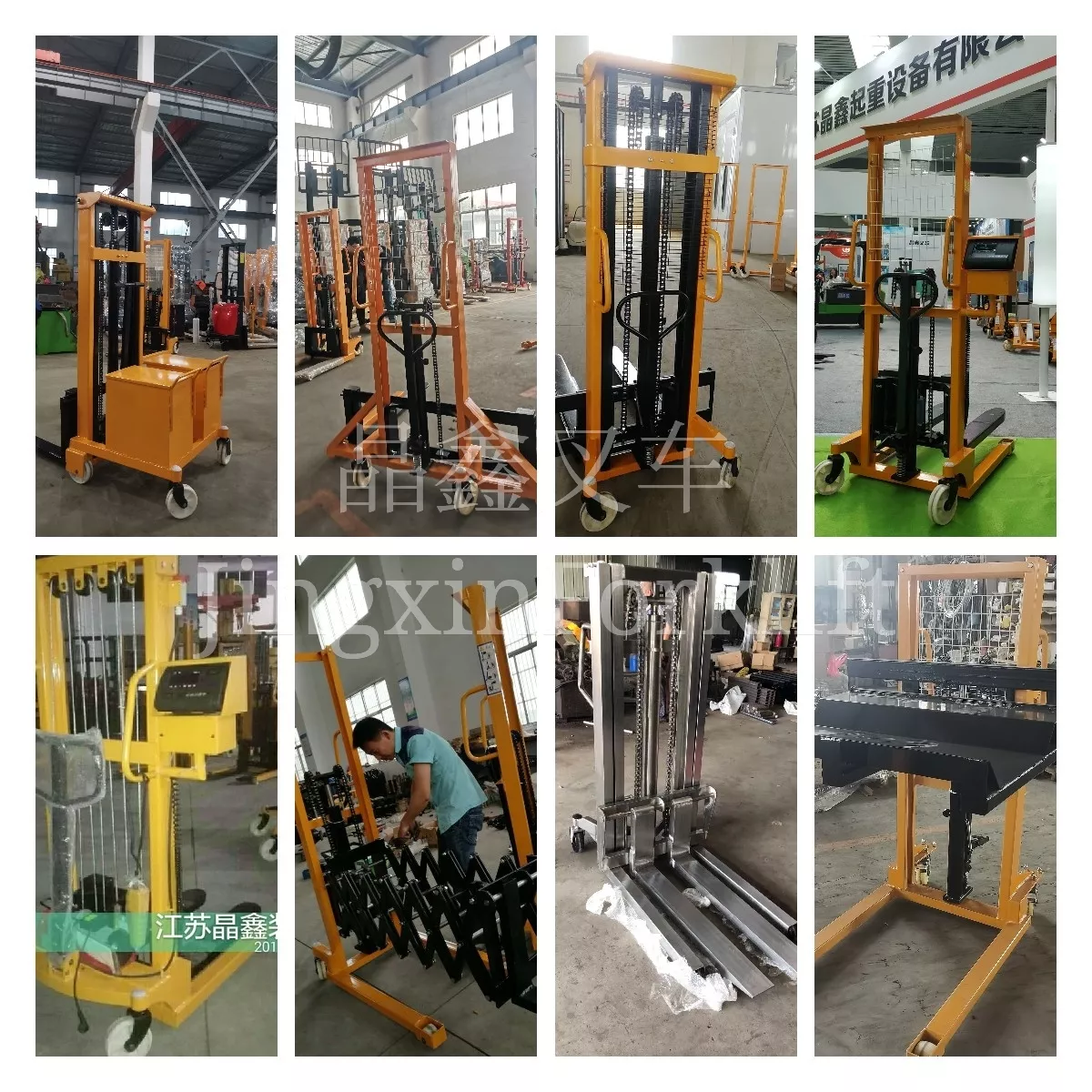 10Custom case
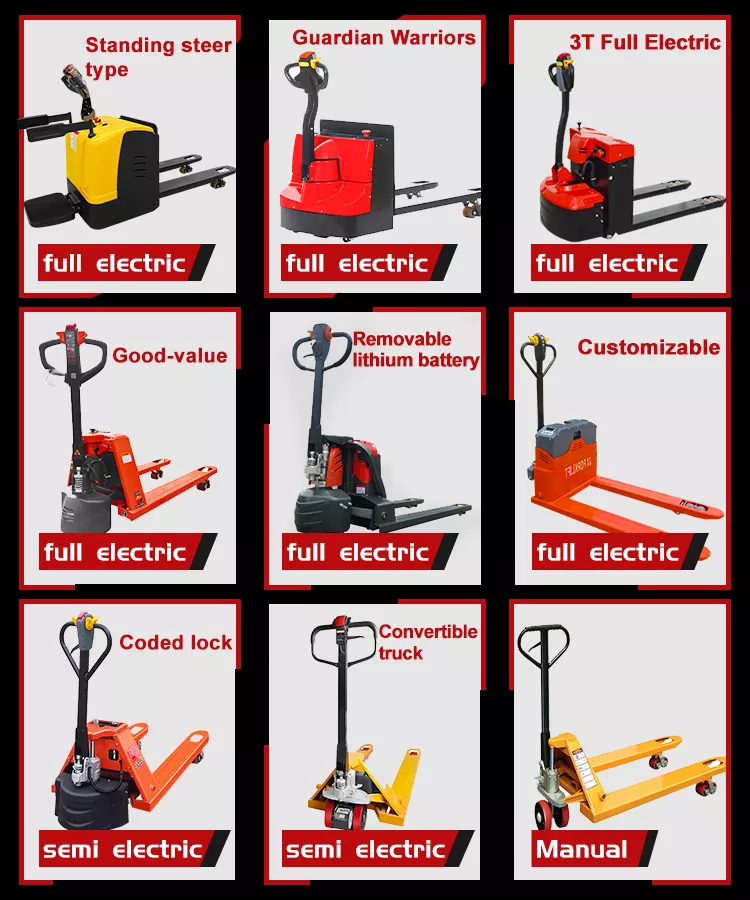 21Company's View
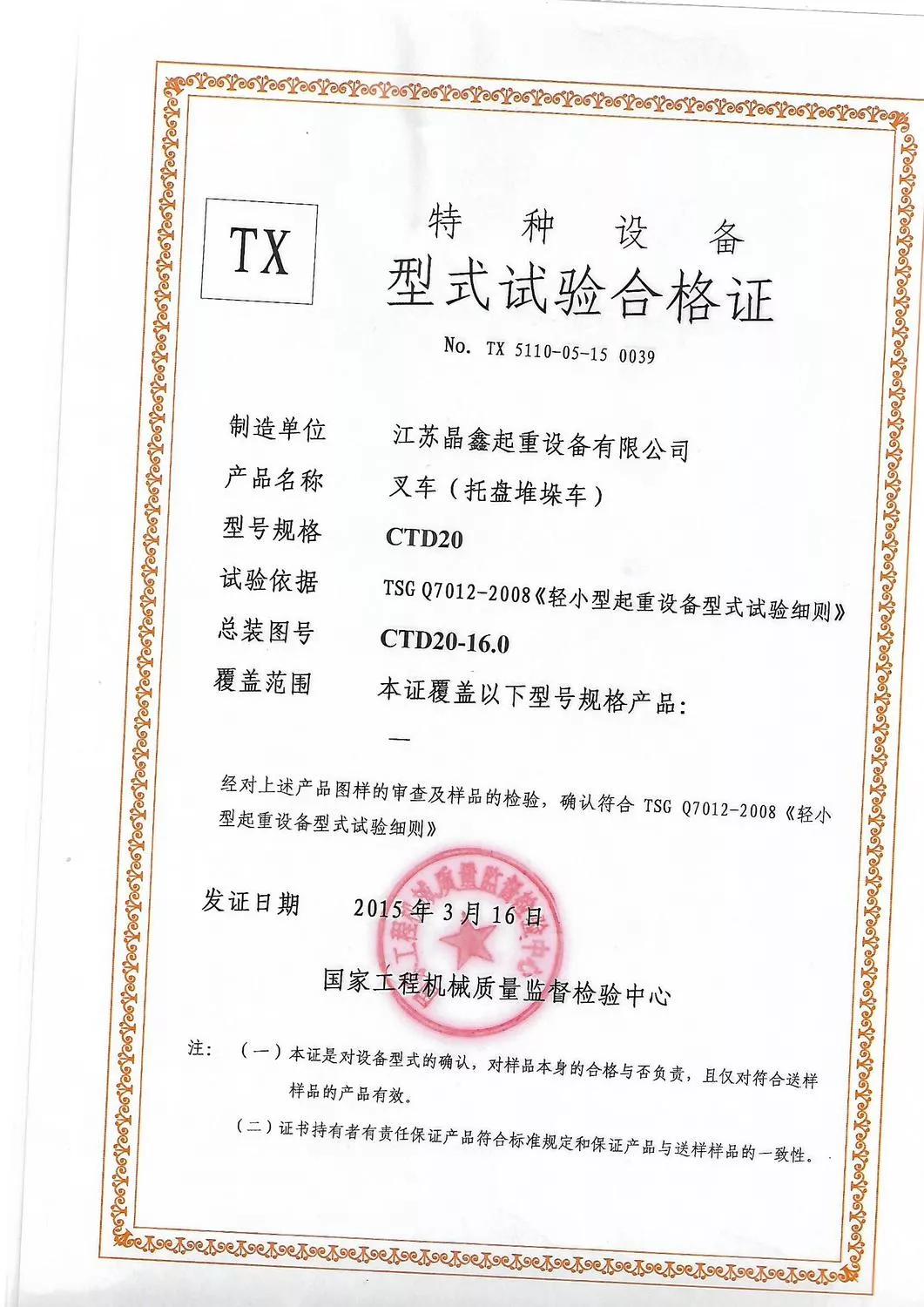 10Certificate
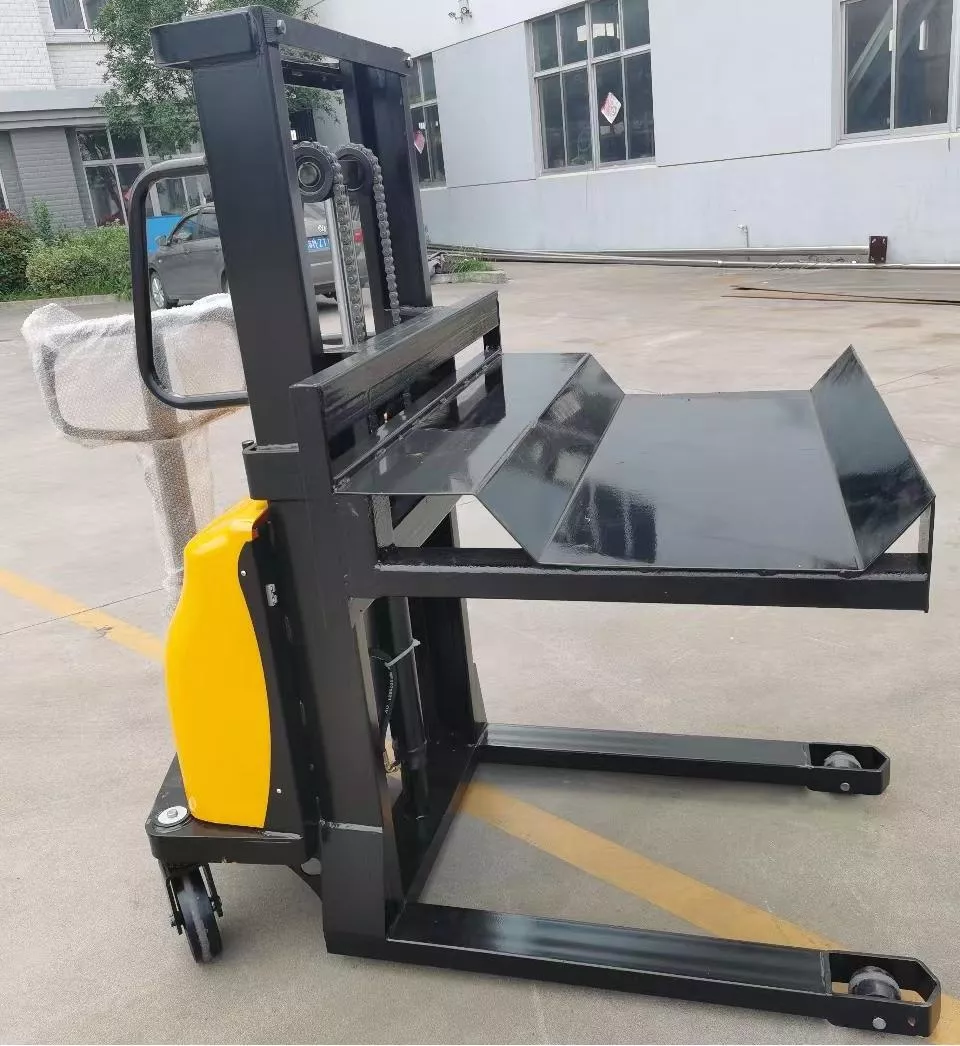 14Paper/Printing Factories
 5Stainless steel material handling equipment



