In scenarios like warehousing logistics and workshop material handling, semi-electric stackers stand out as the optimal choice to balance efficiency and cost. This article recommends two practical models featuring the core configuration of manual walking + electric lifting — the 1.5-ton load capacity with 3-meter lifting height model and the 2-ton load capacity with 3-meter lifting height model. These two models precisely meet diverse operational needs, helping small and medium-sized enterprises (SMEs) cut costs and boost efficiency.
Both models adopt the golden combination of manual walking and electric lifting. The electric lifting system is equipped with high-quality motors and hydraulic components, ensuring stable lifting with ample power. Eliminating the need for manual lifting, it not only reduces labor intensity but also eliminates safety risks such as cargo tilting and falling. The manual walking design makes the vehicle body more flexible and lightweight, allowing easy navigation through narrow aisles and gaps between shelves. It is perfectly suited for operations in small and medium-sized spaces, while also saving energy costs associated with electric walking systems.
Each model has its own focus, fully covering a wide range of operational scenarios:
1.5-ton Load + 3-meter Lifting Height: First Choice for High-Lifting RequirementsThe maximum lifting height of 3 meters is precisely tailored to the height of standard warehouse shelves, making it ideal for high-level rack operations in e-commerce warehouses, food storage facilities, and similar environments. With a 1.5-ton load capacity, it can stably carry small and medium-sized materials such as cartons and palletized goods. Manual propulsion enables precise positioning, and the user-friendly operation significantly lowers the barrier to equipment use.
2-ton Load + 3-meter Lifting Height: Preferred Option for Heavy-Load Short-Distance TransportBoasting a 2-ton load capacity, this model can handle heavy material handling tasks such as metal parts and heavy-duty pallets. It is suitable for heavy-load scenarios like workshop material transfer and building material warehousing. The 3-meter lifting height fully meets basic needs including ground stacking and low-level shelf replenishment. Constructed with high-quality steel, the vehicle body features a robust structure and offers outstanding cost-performance ratio.
These two models are widely applicable across multiple industries including warehousing logistics, manufacturing, and retail. Whether it’s replenishing goods in e-commerce warehouses, transferring materials in workshops, or loading and unloading in supermarket storerooms, they can handle the tasks with ease. Compared to fully electric stackers, they are more budget-friendly, easier to maintain, and more energy-efficient. There is no need for complex charging equipment or professional maintenance, which drastically reduces the procurement and operational costs for SMEs.
For SMEs and scenarios with moderate operational volumes, these two semi-electric stacker models are efficient equipment that perfectly match the operational needs. Whether you choose the 1.5-ton 3-meter model for high-level rack operations or the 2-ton 3-meter model for heavy-load transport, both can drive operational upgrades with their advantages of flexibility, high efficiency, and excellent cost-performance ratio. Enterprises with cargo handling and stacking needs may consider these models as a top priority to make operations easier and more efficient.


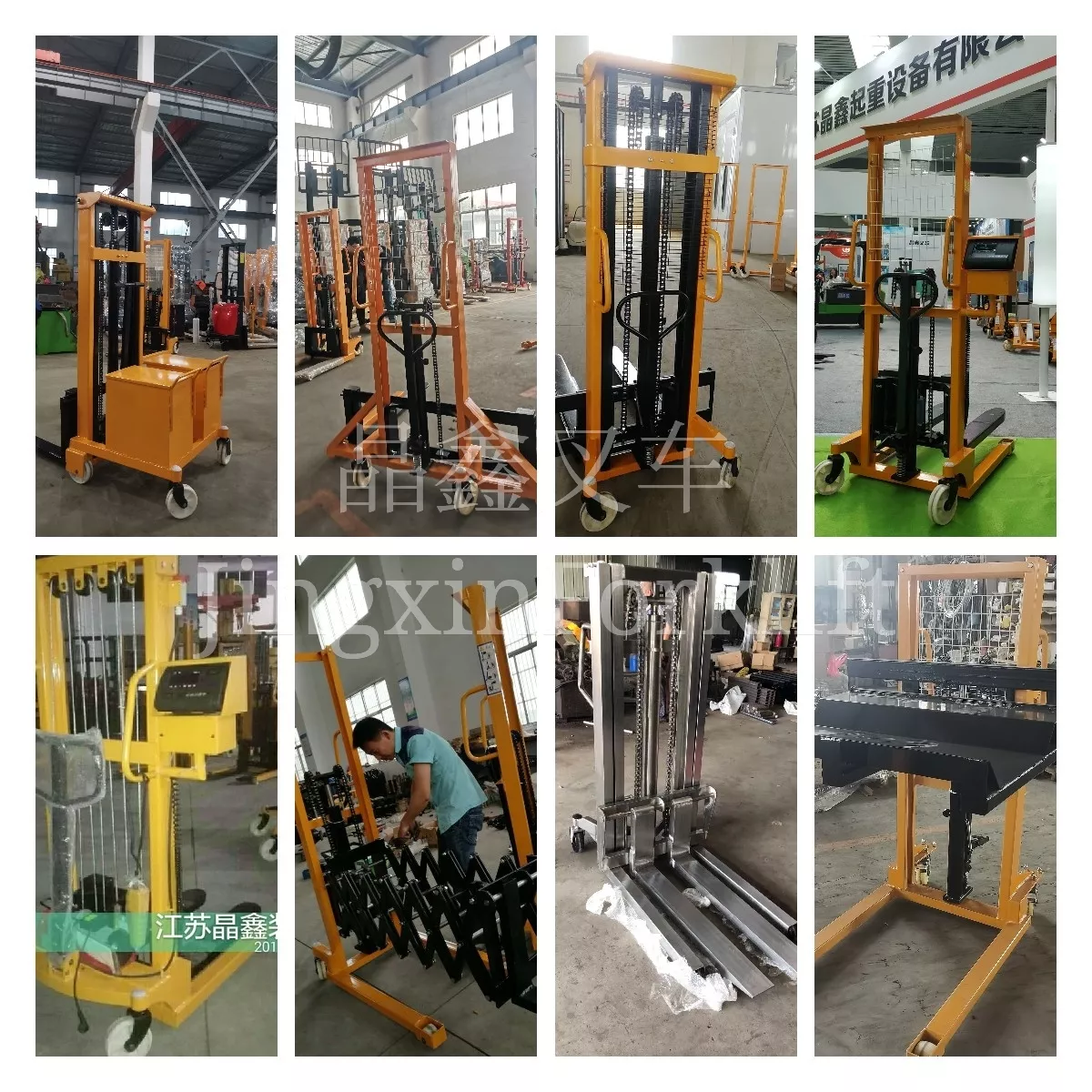 10Custom case
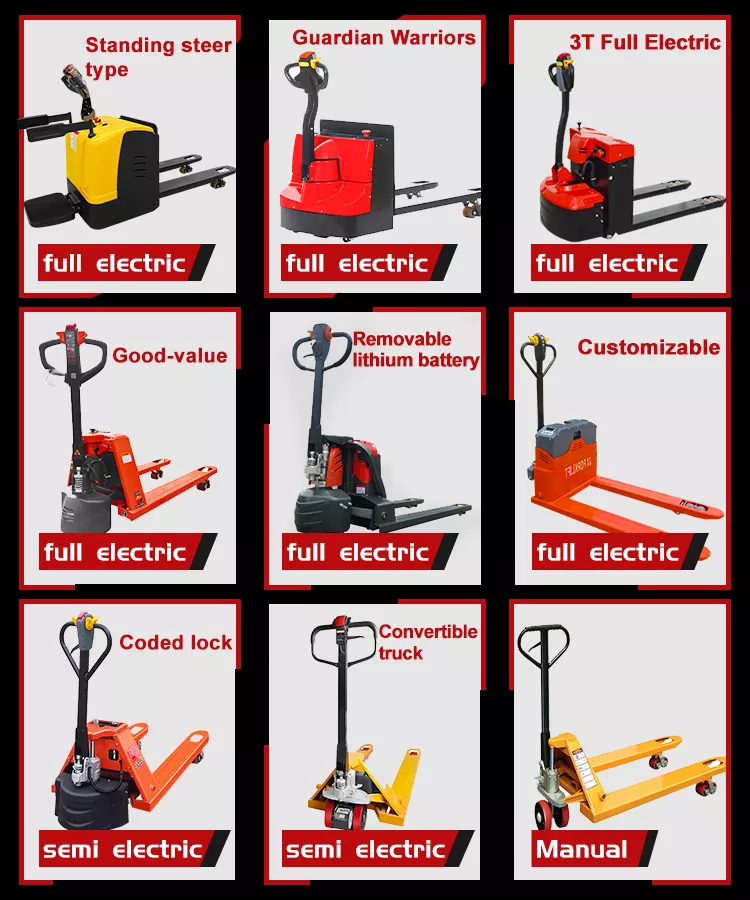 21Company's View
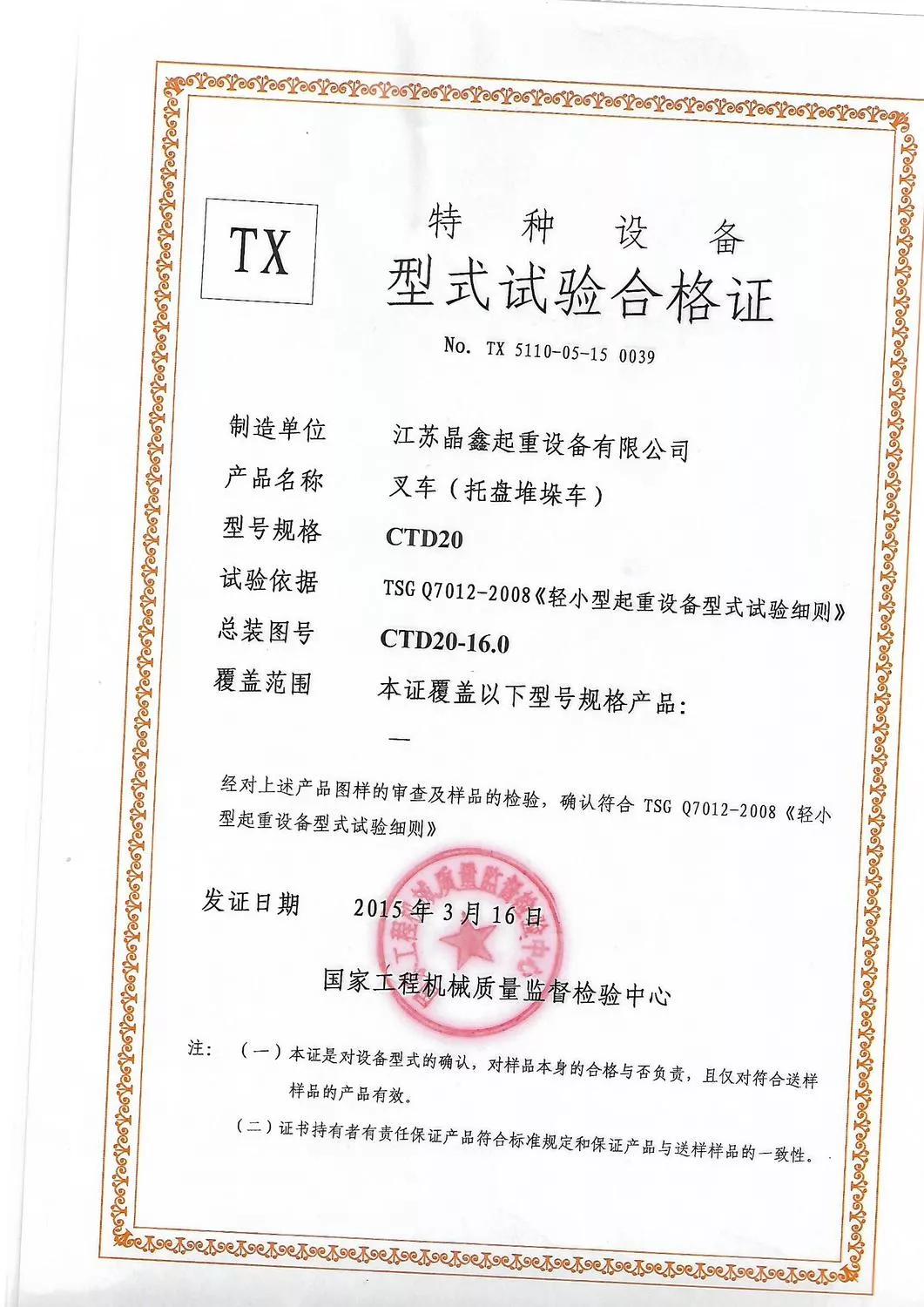 10Certificate
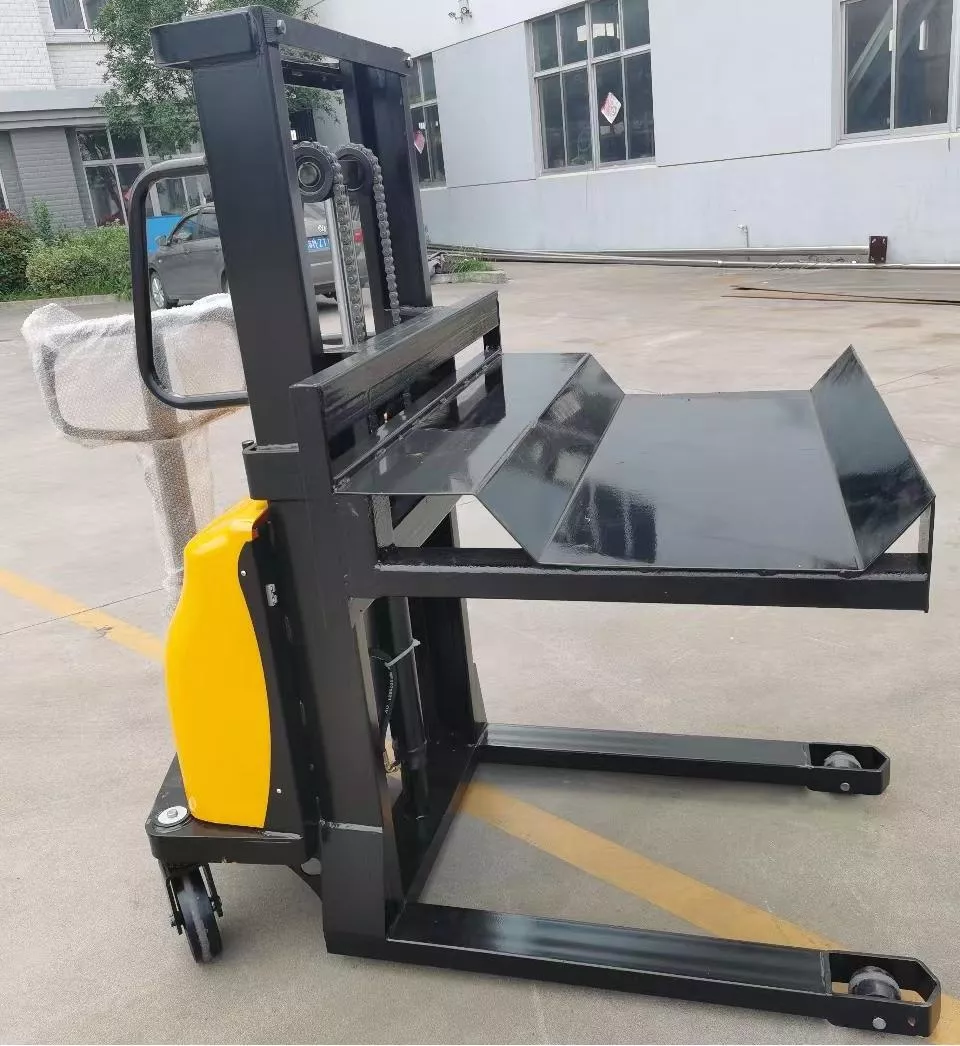 14Paper/Printing Factories
 5Stainless steel material handling equipment



